






The Story of Heidi: A Child's Journey to the Mountains
Heidi tells the story of a young orphan girl dispatched to live with her estranged grandfather high in the Swiss Alps. Her aunt Dete, more concerned with her own prospects than the child's welfare, leaves Heidi in the care of Adolph Kramer—a man so withdrawn from society that the villagers below barely remember he exists. What unfolds is a quiet transformation: Heidi's warmth, her laughter, her stubborn insistence on love gradually cracks open the old man's hardened exterior. He goes from gruff indifference to genuine devotion. But the peace doesn't last. When Dete returns with promises of wealth and opportunity, Heidi is torn away to become a companion to Klara, a wealthy but wheelchair-bound girl living in a grand house far from the mountains. The separation tears both grandfather and granddaughter apart, setting the stage for a desperate reunion.
Behind the Making of Heidi: Production, Cast, and Box Office Success
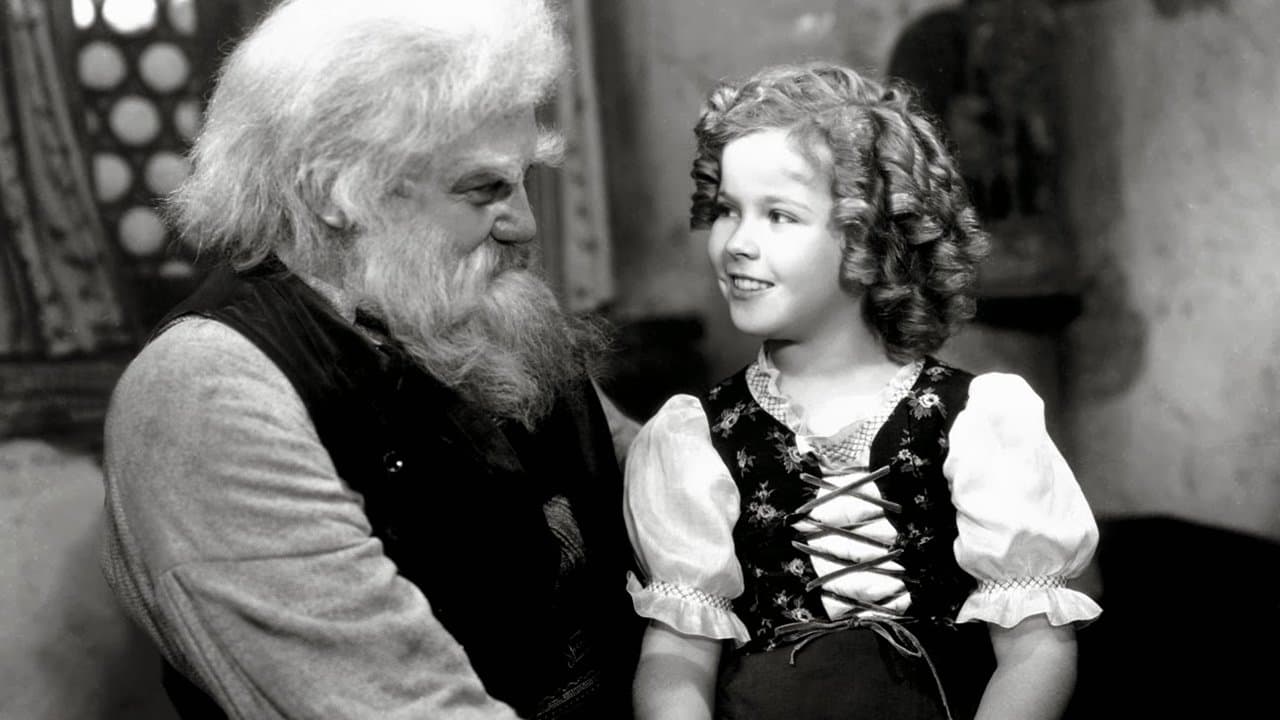
Directed by Allan Dwan and written by Julien Josephson and Walter Ferris, Heidi arrived in 1937 as a loose adaptation of Johanna Spyri's 1880 Swiss children's novel—the same source material that's inspired countless stage and screen versions over the decades. 20th Century Fox backed the production, and the studio knew exactly what it was doing: casting ten-year-old Shirley Temple in the lead role. By 1937, Temple wasn't just another child actor. She was the box-office draw. For three consecutive years, she'd held the title of number-one box-office star, a feat almost unimaginable in today's fragmented media landscape. The film's tagline promised audiences exactly what they'd come for: "Shirley's A Little Swiss Miss In The Loveliest Story of Her Career." Jean Hersholt, a seasoned character actor, played the grandfather with a gravity that balanced Temple's effervescent energy. The runtime clocked in at 88 minutes—lean, purposeful storytelling that doesn't waste a frame. The film's success wasn't just critical; it was commercial. Heidi performed strongly at the box office, affirming that audiences were hungry for family entertainment that didn't talk down to children, and that Temple's star power could anchor a period piece as easily as a contemporary story.
What Makes Heidi Stand Out: Performance and Emotional Authenticity
What's striking about Heidi is how little it relies on sentimentality—a real risk for a 1937 family film. Shirley Temple doesn't play a maudlin, martyred orphan. She plays a girl who's annoying sometimes, stubborn, full of energy, and completely genuine in her affection. When she first arrives at her grandfather's cabin, she doesn't immediately win him over with a single tearful scene. Instead, she wears him down through sheer persistence and innocence. That's the film's emotional core: love as a slow, unglamorous process rather than a sudden transformation. Jean Hersholt's performance anchors the whole thing. His grandfather doesn't become a softie—he remains gruff, still cantankerous—but you can see the walls coming down, brick by brick. The music, woven through the drama, doesn't oversell the emotion; it underscores it.
What I keep coming back to is how the film handles the separation. When Dete returns and takes Heidi away, the scene carries genuine weight. It's not melodramatic. The grandfather's heartbreak reads as quiet devastation. And Heidi's conflict—torn between her new life of comfort and her love for the mountains and her grandfather—isn't resolved with a quick punchline. The film respects the complexity of that loss. Variety reported that audiences found the film's blend of humor, music, and emotional sincerity to be a rare balance for its era. That balance is partly why Heidi has endured: it's not trying to be everything to everyone. It's a story about connection, about how love changes us, and about what we'll sacrifice to protect it.
Where to Stream Heidi Online
Heidi is currently available on major OTT services, and if you're looking to track down exactly which platform has it right now, Movie OTT keeps a live registry of where classic films like this one are streaming. Availability shifts seasonally and by region, so the "Where to Watch" widget at the top of this page will show you the most current options. The 88-minute runtime makes it a perfect evening watch—long enough to invest in the story, short enough to finish before bedtime. Whether you're introducing a younger generation to Shirley Temple's work or revisiting a childhood favorite, the streaming platforms carrying this title make it easier than ever to access a piece of Golden Age Hollywood.
Frequently Asked Questions
Q: Is Heidi based on a true story?
No, but it's based on Johanna Spyri's 1880 Swiss children's novel, which was inspired by Spyri's own experiences in Switzerland. The 1937 film is a loose adaptation that takes creative liberties with the source material while preserving the emotional core of the story.
Q: Who directed Heidi?
Allan Dwan directed the film. Dwan was a prolific Hollywood director who worked across multiple genres and eras, and Heidi stands as one of his most enduring family films.
Q: How old was Shirley Temple when she made Heidi?
Shirley Temple was ten years old during filming. At the time, she was already Hollywood's biggest box-office draw, having held the number-one position for three consecutive years.
Q: What's the runtime, and what genres does Heidi fit into?
Heidi runs 88 minutes and blends drama, family, and music. It's classified as a musical drama, though the music serves the story rather than overwhelming it.
Q: Where can I watch Heidi right now?
Heidi is available on major OTT streaming services. Check the "Where to Watch" widget on this page for current platform availability in your region, or visit Movie OTT to track streaming options across services.
Final Thoughts on Heidi
Heidi deserves its place in the canon of classic family cinema. It's not a perfect film—what 1937 production is?—but it's honest in a way that transcends its era. Shirley Temple and Jean Hersholt create something genuinely moving: a portrait of how love transforms us, how absence aches, and how some connections are worth fighting for. If you haven't seen it, it's worth ninety minutes of your time. If you have, it's worth revisiting.