
The Story of Hidden Agenda
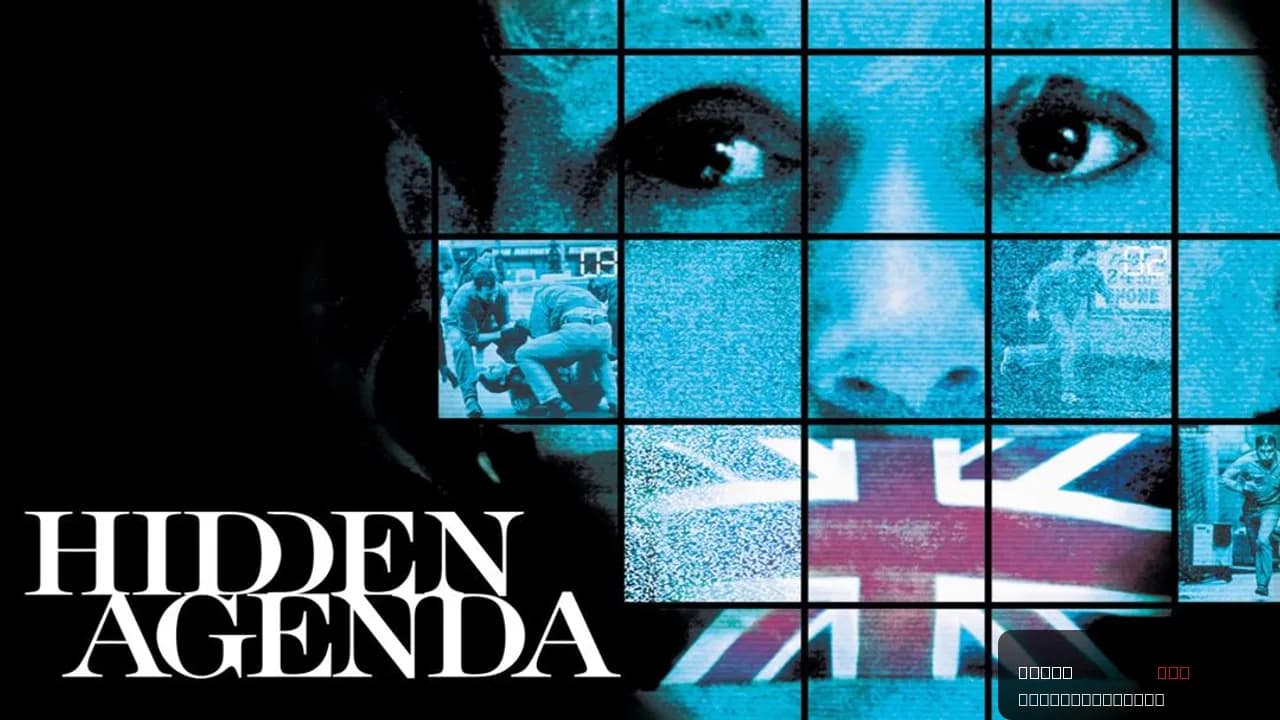
Hidden Agenda is a 1990 political thriller that confronts one of the most contentious episodes in modern British history: the role of security forces in Northern Ireland during the height of the Troubles. The film follows a woman serving on a panel tasked with investigating alleged atrocities committed by British soldiers—a role that should be straightforward, official, procedural. Instead, she's drawn into a labyrinth of denial, intimidation, and state-sanctioned violence when her boyfriend is killed by those same forces. What begins as an institutional inquiry transforms into a fight for survival, as she realizes that truth-telling carries a price far steeper than she imagined. Director Ken Loach doesn't offer easy answers or neat resolution. He's interested in how power operates in the shadows, how systems protect themselves, and how ordinary people become collateral damage when they dare to ask uncomfortable questions.
Behind the Making of Hidden Agenda
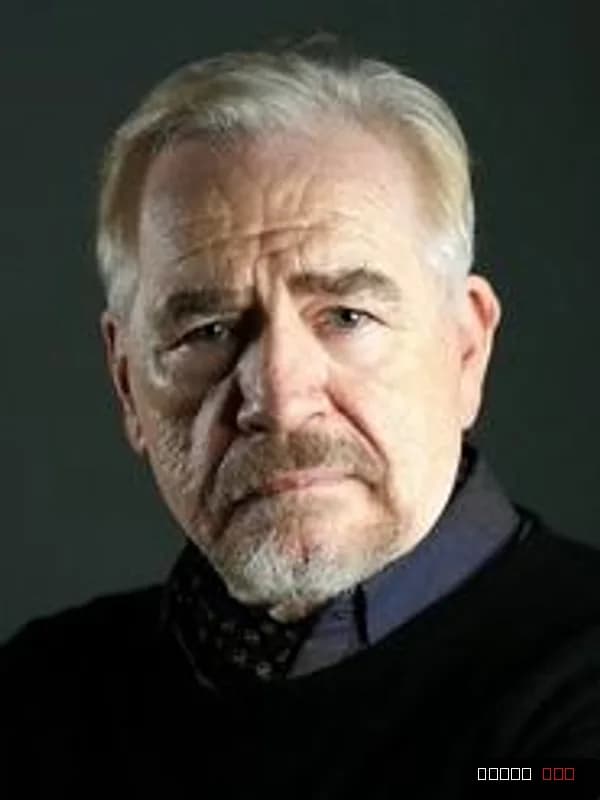
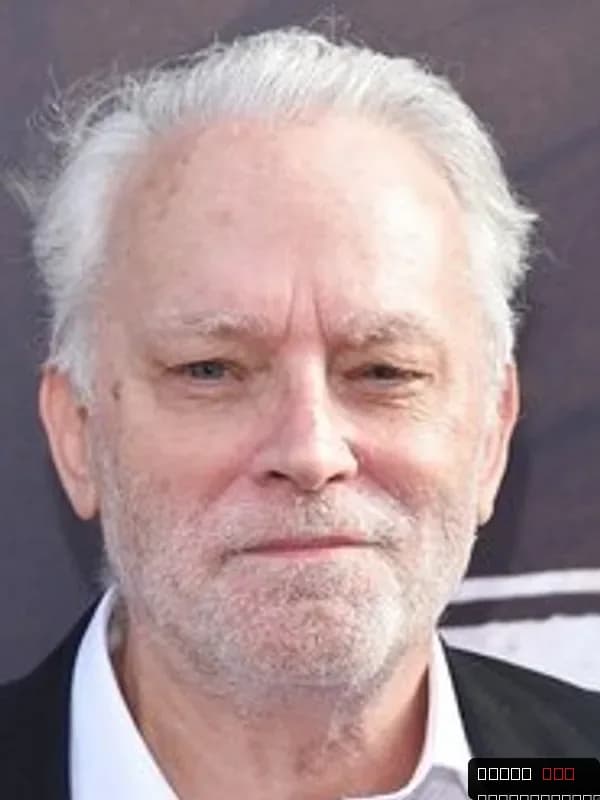
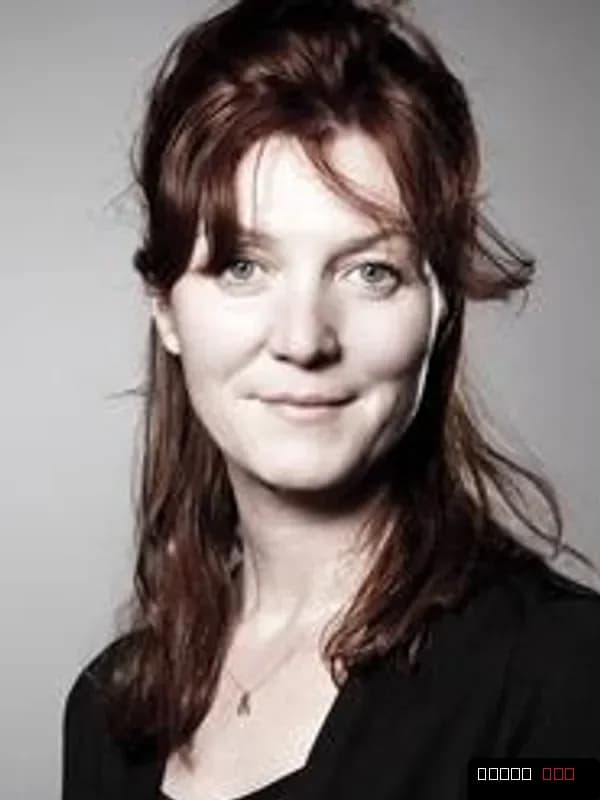
Ken Loach, already known for his unflinching social realism in films like Kes (1969), brought his documentary sensibility and political conviction to Hidden Agenda. The screenplay came from Jim Allen, a writer deeply committed to exploring British institutional corruption and class struggle. Their collaboration produced a film that wasn't designed to comfort audiences—it was designed to provoke them. The cast assembled around Frances McDormand (then still building her career, before her Oscar wins) included Brian Cox as a morally compromised detective, Brad Dourif as an American investigator, and Mai Zetterling in a supporting role. The film was shot on a modest budget and earned just over $1 million at the box office, a figure that reflects both its limited theatrical release and its status as a challenging political work rather than mainstream entertainment. Despite its commercial underperformance, Hidden Agenda found recognition within the film community. It won two awards and received three nominations, including recognition at international festivals where political cinema still commands serious attention. The R rating reflected not gratuitous content but the film's willingness to depict violence and its consequences without sanitization—a choice that aligned with Loach's commitment to showing things as they are, not as audiences might prefer them to be.
What Makes Hidden Agenda Stand Out
Critics have long recognized Hidden Agenda as one of Loach's most pointed political works, and the numbers bear that out: it holds an 86% on Rotten Tomatoes, a score that signals critical respect even when mainstream audiences stayed away. What's striking is how the film refuses the conventions of the thriller genre—there's no heroic climax, no moment where justice prevails or truth triumphs cleanly. Instead, you're left with dread, complicity, and the nauseating realization that institutional power can swallow individuals whole. Frances McDormand carries the film with a performance that's understated but increasingly desperate—she's not playing a hero, she's playing someone who simply wants to do her job and finds that doing so makes her a threat. The supporting cast works in concert with this tone. Brian Cox, especially, brings a weary moral exhaustion to his role, a man who knows too much and can't afford to care. What I keep coming back to is how the film treats its Northern Ireland setting not as exotic backdrop but as a real place where real people are being disappeared, tortured, and erased by the state—and where official channels designed to investigate these crimes become tools of cover-up instead. The script doesn't explain everything; it trusts viewers to understand that ambiguity and institutional opacity are themselves the point. That's what separates Hidden Agenda from more conventional political thrillers.
Where to Stream Hidden Agenda Online
Hidden Agenda is currently available on Prime Video, where you can stream it on demand. For the most up-to-date information on where this title is streaming right now, check the "Where to Watch" widget at the top of this page—streaming rights shift frequently, and Movie OTT tracks availability across platforms so you don't have to. If you're interested in Ken Loach's other political works or want to explore more films about institutional corruption and state violence, Movie OTT's streaming guides can help you find similar titles across your subscriptions. The 108-minute runtime makes it a manageable evening watch, though the emotional weight of the material means you'll want to be in the right headspace when you sit down with it.
Frequently asked questions
Q: Who directed Hidden Agenda?
Ken Loach directed Hidden Agenda. The Scottish filmmaker is known for his social realist approach and commitment to exploring institutional power and class struggle through cinema, as seen in earlier works like Kes and later in films like I, Daniel Blake.
Q: What is the plot of Hidden Agenda?
The film follows a woman serving on a panel investigating British security force killings in Northern Ireland. When her boyfriend is murdered by those same forces, she becomes entangled in a dangerous cover-up that threatens her life and exposes the corruption at the heart of official institutions.
Q: Where can I watch Hidden Agenda?
Hidden Agenda is available to stream on Prime Video. Check the Where to Watch widget on this page for current availability, as streaming rights can change.
Q: Who stars in Hidden Agenda?
Frances McDormand leads the cast, supported by Brian Cox, Brad Dourif, Maurice Roëves, Mai Zetterling, and Michelle Fairley. The ensemble cast delivers performances marked by restraint and moral weight rather than theatrical display.
Q: Is Hidden Agenda based on a true story?
While Hidden Agenda is a fictional narrative, it's rooted in the real historical context of British security operations in Northern Ireland during the Troubles, including documented cases of state violence, disappearances, and institutional cover-ups. The film dramatizes these patterns rather than adapting a single incident.
Final Thoughts on Hidden Agenda
Hidden Agenda isn't a comfortable film, and it doesn't pretend to be. It's a work of political cinema made by filmmakers who believed that movies could expose institutional lies and challenge state narratives—and that belief still matters. Nearly 35 years later, the film's examination of how power protects itself, how bureaucracy enables violence, and how ordinary people who ask the wrong questions become threats remains startlingly relevant. If you're looking for a thriller that actually has something to say, that trusts its audience, and that refuses easy redemption, Hidden Agenda earns your time.