







The story of Hidden Diary: a family mystery at the water's edge
Hidden Diary tells the story of three generations of women bound together by absence and unspoken longing. In the 1950s, Louise left her husband when their children were still small—and disappeared entirely. No letter. No explanation. Just silence that would echo through decades. Her daughter Martine stayed behind in the small seaside town where the family lived, eventually becoming a doctor, building a life in the same place her mother abandoned. Now, Martine's daughter Audrey—a thirty-year-old woman who's carved out her own independent path—returns to visit her aging parents. She isn't looking for ghosts. But ghosts, as they do, find a way to surface. By chance, Audrey stumbles upon a notebook. It belonged to her grandmother. It's a diary, and inside it may lie the answers to questions nobody in the family has dared ask aloud: Why did Louise leave? What was she running from? And what has that choice cost everyone who came after her?
Behind the making of Hidden Diary: production, cast, and creative vision
Hidden Diary was directed by Julie Lopes-Curval, a French filmmaker working within a robust European production ecosystem. The film emerged from a Franco-Canadian collaboration, supported by France 3 Cinéma, Sombrero Films, and a constellation of regional funding bodies including SODEC and Aquitaine Tournages—the kind of institutional backing that signals serious ambition. The 105-minute drama carries an IMDb rating of 6.4 out of 10 from 565 user votes, placing it squarely in the category of films that inspire conversation rather than universal consensus.
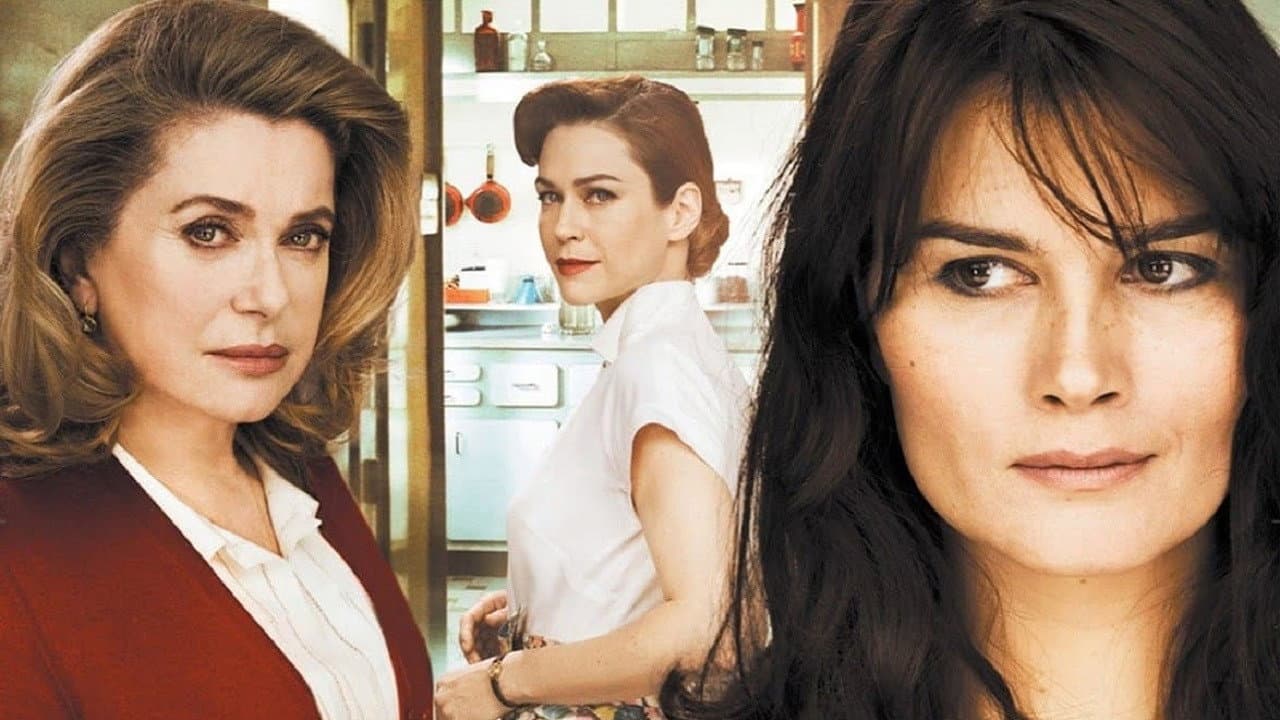
The cast carries significant weight. Catherine Deneuve, one of French cinema's most iconic figures, anchors the film with her presence. Marina Hands and Marie-Josée Croze complete the generational triangle, each bringing their own gravity to the roles. What's striking about this casting is that it wasn't assembled to make a flashy ensemble piece—these are actors known for restraint, for finding depth in what isn't said. The production involved multiple French broadcasters and streaming partners, which speaks to how the film was positioned: not as a theatrical tentpole, but as prestige television drama with a theatrical runtime. The film received one nomination during its awards circuit run, a modest but meaningful recognition for a character-driven story that doesn't rely on spectacle or sentimentality to make its case.
What makes Hidden Diary stand out: performance and the weight of silence
Here's the thing about family dramas—they live or die by whether the actors can make you believe that these people have actually spent a lifetime together, even if they're meeting for the first time on screen. Deneuve, Hands, and Croze don't overplay the emotional beats. Instead, they let the diary itself become a character, a voice from the past that forces everyone to reckon with what they thought they knew. The film's structure—moving between present-day discovery and flashback revelations—could feel gimmicky in the wrong hands. But Lopes-Curval uses it to build genuine tension. You're watching Audrey read her grandmother's words and simultaneously watching the story those words describe unfold, which creates this strange double-exposure effect where past and present collapse into each other.
What I keep coming back to is how the film treats the mystery itself. It doesn't withhold information to manipulate you. Instead, it unfolds the diary's revelations at a pace that forces you to sit with the emotional fallout of each disclosure. There's a scene—I won't spoil it—where Audrey's understanding of her own future hinges on understanding her grandmother's past, and suddenly the whole film clicks into place. The pregnancy subplot, the references to a mysterious death, the weight of living in the same town where your mother abandoned you—these aren't just plot mechanics. They're the texture of a life lived under the shadow of someone else's choice. Movie OTT tracks where this kind of intimate European drama is currently streaming, since these films can shift platforms more frequently than big-budget releases.
Where to stream Hidden Diary online
Hidden Diary is available on major OTT services, and you can check the Where to Watch widget at the top of this page to see exactly which platforms currently carry it in your region. Streaming rights for international films—especially French productions—can vary by territory, so it's worth verifying availability before you settle in. Movie OTT updates its platform listings in real time, so you'll always know where to find it without hunting through five different apps. The film's intimate scale actually works well on a television screen, where you can lean into the quiet moments and catch the small expressions that carry so much weight.
Frequently asked questions
Q: Who directed Hidden Diary?
Julie Lopes-Curval directed the film. She's a French filmmaker known for character-driven narratives that explore family dynamics and emotional complexity across generations.
Q: What year was Hidden Diary released?
The film was released in 2009. It's a Franco-Canadian co-production that emerged from a collaboration between French broadcasters and production companies including France 3 Cinéma and Sombrero Films.
Q: Is Hidden Diary based on a true story?
The film isn't based on a specific true story, but it draws on universal themes of family abandonment, buried secrets, and the ways the past shapes identity. The diary structure gives it an intimate, almost confessional quality that feels rooted in real experience.
Q: How long is Hidden Diary?
The film runs 105 minutes, giving Lopes-Curval enough time to develop her three-generational narrative without rushing the emotional beats.
Q: What genres does Hidden Diary fall into?
It's categorized as both comedy and drama, though the comedy is subtle—the kind of dry, observational humor that emerges from character interaction rather than plot mechanics. The drama is where the film's real weight lies.
Final thoughts on Hidden Diary
Not every film needs to shout to be heard. Hidden Diary whispers, and if you're paying attention, you'll hear everything. It's the kind of movie that works best when you're in the mood to sit with a family's pain, to watch three women grapple with how the past refuses to stay buried. The diary itself—that central object—becomes a bridge between generations, a way of saying the things that couldn't be said in person. If you appreciate European cinema that prioritizes emotional truth over plot machinery, and you're willing to let a film move at its own pace, this one's worth your time.