



The Story of Hillbilly Elegy and Its Complex Family Legacy
Hillbilly Elegy pulls you back to a place most people are trying to escape. An urgent phone call drags J.D. Vance — a Yale Law student on the cusp of everything he's worked toward — away from campus and back to Ohio, where his family's chaos is waiting. What unfolds isn't a simple homecoming story. It's a three-generation reckoning with poverty, addiction, domestic violence, and the stubborn belief that somehow, some way, the next generation might break the cycle. Ron Howard's 2020 film, based on J.D. Vance's 2016 bestselling memoir of the same name, asks a deceptively simple question: how much of where we come from can we actually escape?
The film moves between past and present, weaving together young J.D.'s childhood in Kentucky and Ohio with his adult self at Yale, creating a portrait of a family caught in patterns that feel almost inescapable. Heroin, poverty, domestic abuse, overdose — these aren't abstract social issues in the film. They're dinner-table realities, the backdrop to birthday cakes and broken promises. What's striking is how the movie refuses to make its characters into villains or saints. They're just people trying to survive, often failing, sometimes surprising you with unexpected grace.
Behind the Making of Hillbilly Elegy and Its Awards Recognition
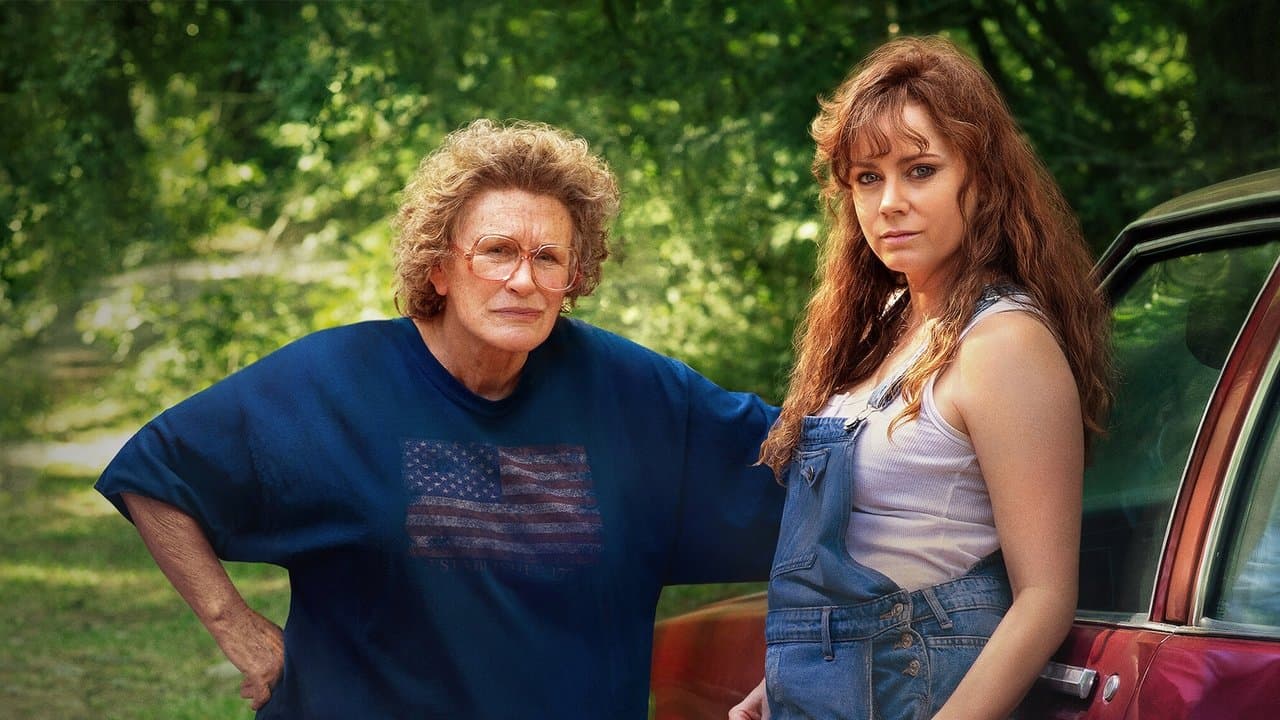
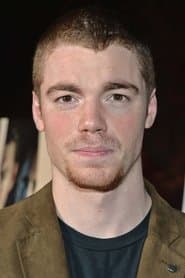
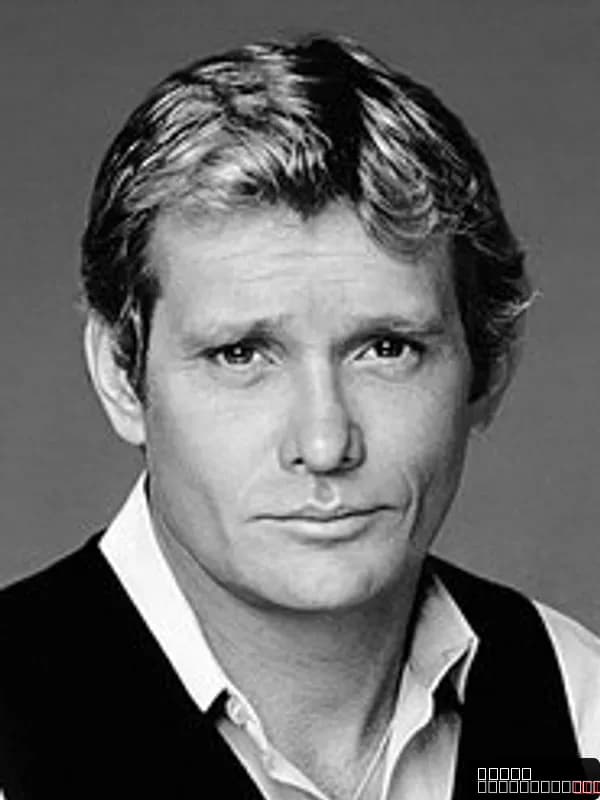
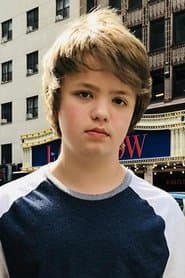
Ron Howard brought his considerable craft to this project, working from a screenplay by Vanessa Taylor adapted from Vance's memoir. The production came together with serious star power: Amy Adams plays Vance's mother Bev, while Glenn Close — in a powerhouse supporting turn — embodies the family matriarch, Mamaw, the tough-as-nails grandmother who becomes the emotional anchor of the entire film. Gabriel Basso carries the adult J.D., though it's Owen Asztalos, playing young J.D., who'll likely stick with you long after the credits roll. The ensemble also includes Haley Bennett, Freida Pinto, and Bo Hopkins in what would be his final film appearance.
The film earned 2 Oscar nominations and collected 4 wins across 34 total nominations, which tells you something about its reach within the awards circuit — even if critical consensus didn't fully align with the Academy's enthusiasm. Rated R for language and some drug use, the film's 117-minute runtime allows Howard to breathe with his material, resisting the urge to rush through decades of family history. When you're checking where to watch on Movie OTT, you'll find this title across major streaming platforms, making it widely accessible to audiences who might recognize their own families in its unflinching look at working-class America.
Why Hillbilly Elegy Connects Despite Mixed Critical Reception
Here's the thing about Hillbilly Elegy: critics were harsh. Rotten Tomatoes landed it at 24%, and the Metascore sits at 38 — both well into "mixed to negative" territory. The IMDb rating of 6.7/10 suggests audiences were somewhat kinder, though hardly enthusiastic. So why does the film still matter? Because it's doing something genuinely difficult. It's not exploiting poverty for easy sentiment, and it's not pretending that willpower alone solves systemic problems. Instead, it's asking viewers to sit with the messiness of real people in real trouble — the kind of trouble that doesn't resolve in two hours.
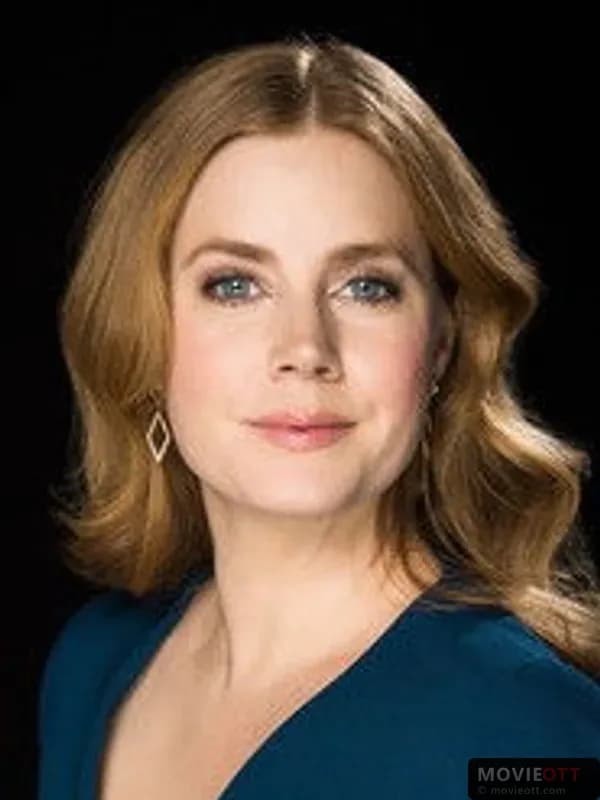
Amy Adams' performance as Bev is particularly gutsy. She plays a woman simultaneously loving and destructive, capable of tenderness one moment and recklessness the next, and she doesn't ask you to forgive her or condemn her. Glenn Close, meanwhile, steals nearly every scene she's in with a performance that feels lived-in and earned. The younger cast members ground the film's flashback sequences with authenticity; there's a scene early on where young J.D. witnesses something no child should witness, and the raw discomfort of that moment — the camera doesn't look away, and neither can you — is exactly what Howard is after. What's less clear is whether the film's emotional weight translates into something more than a well-acted drama about difficult circumstances. That's where audiences and critics diverged, and honestly, that gap says more about what we want from stories about poverty than it does about the film itself.
Where to Stream Hillbilly Elegy Online
Finding Hillbilly Elegy is straightforward — the film is available across major OTT services, so whether you subscribe to Netflix, Prime Video, or other platforms, you've likely got access. The "Where to Watch" widget at the top of this page shows you exactly which services are currently streaming it in your region, since availability shifts. If you're planning to revisit it or watch for the first time, it's the kind of film that benefits from a quiet evening and your full attention. The cinematography is deliberately unglamorous — lots of muted Ohio light and cramped living rooms — so a good screen and sound setup will serve the material well.
Frequently asked questions
Q: Is Hillbilly Elegy based on a true story?
Yes. The film is adapted from J.D. Vance's 2016 memoir of the same name, which chronicles his own family's history across three generations and his journey from poverty to Yale Law School. While some details are compressed or altered for the screen, the core story and characters are rooted in Vance's real life.
Q: Who directed Hillbilly Elegy?
Ron Howard directed the film from a screenplay by Vanessa Taylor. Howard brought his experience with character-driven dramas to the project, allowing the family dynamics to unfold with patience and nuance rather than melodramatic shortcuts.
Q: What are the main themes in Hillbilly Elegy?
The film explores generational trauma, addiction, domestic violence, poverty, and the possibility of upward mobility. It examines how family patterns repeat across generations and whether individuals can break free from those cycles through education and determination.
Q: How long is Hillbilly Elegy?
The film runs 117 minutes, giving Howard enough time to move between past and present timelines without feeling rushed. That pacing is crucial to the film's ability to build emotional weight.
Q: Did Hillbilly Elegy win any major awards?
The film received 2 Oscar nominations and won 4 awards across 34 total nominations. While it earned recognition from the Academy, critical reviews were mixed, with a 24% on Rotten Tomatoes and a Metascore of 38, though audiences on IMDb gave it a 6.7/10 rating.
Final Thoughts on Hillbilly Elegy
Hillbilly Elegy won't be for everyone — and that's okay. It's a film about people society often ignores, told without condescension or false hope. Ron Howard's direction keeps the focus tight on family relationships rather than turning poverty into a spectacle. If you're drawn to character studies that don't shy away from hard truths, or if Vance's memoir moved you, this adaptation deserves your time. It's imperfect, occasionally heavy-handed, but never dishonest. That counts for something.