
Hinata: A Mystery Built on Contradiction
Here's what you need to know upfront: Hinata is a 2026 mystery film that unfolds entirely at a funeral. Twenty people show up to pay respects to Hinata Okimura — and because that's what the deceased requested, every single one of them has to deliver a eulogy. The catch? Their stories don't match. Not even close.
The premise: A funeral where nobody agrees on who died
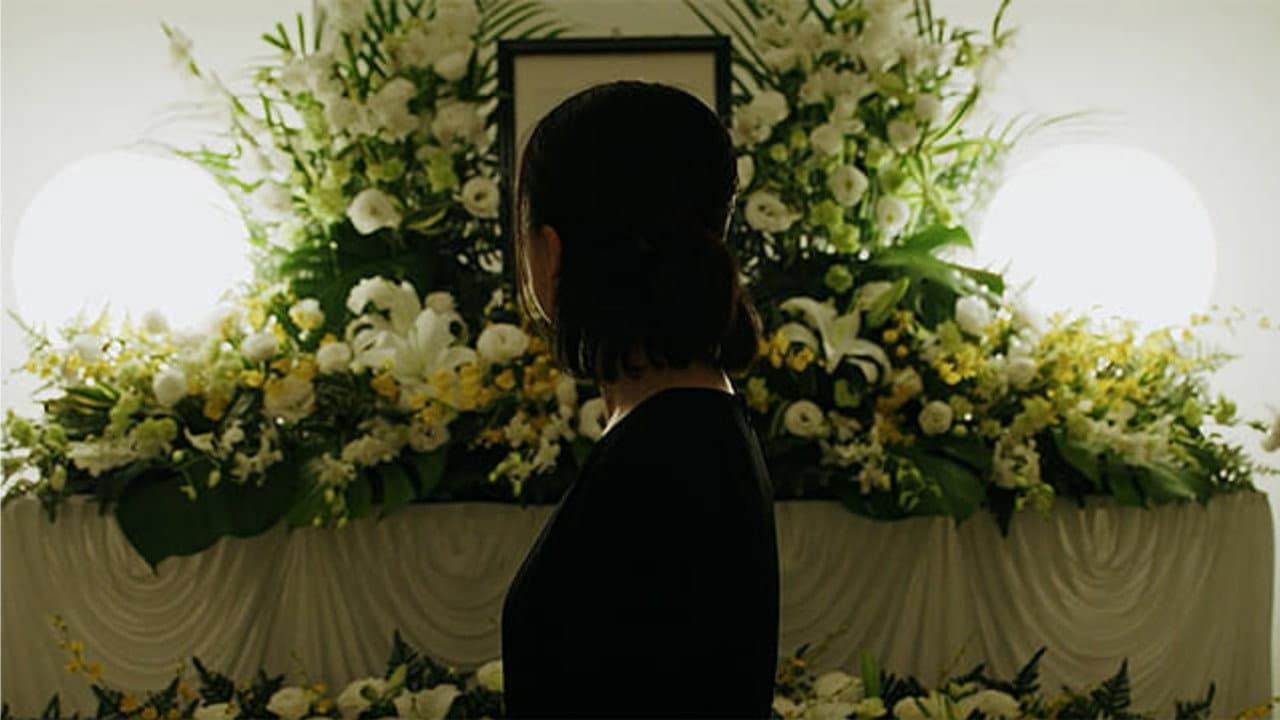
The film opens quietly. Funeral setting. Twenty attendees. An altar with no portrait — and that empty space becomes the visual anchor for everything that follows. Director Yukihiko Tsutsumi and writer Yusuke Moriguchi have constructed something deliberately unsettling: each eulogy contradicts the last one. One speaker remembers Hinata as introverted, quiet, someone who avoided crowds. The next describes them as the loudest person in any room. Gender shifts. Personality flips. History rewrites itself with each speech.
What's striking is how the film doesn't rush to explain these gaps. It sits in them. That discomfort — that feeling of solid ground disappearing — is the actual story.
The 101-minute runtime feels deliberately calibrated. Long enough for the contradictions to accumulate and genuinely unsettle you, short enough that you're never bored waiting for answers that may never come. That's restraint.
Who made this, and why it matters
Tsutsumi has spent decades working in Japanese genre cinema, building tension in confined spaces. He's not trying to make a cozy mystery here — he's trying to make you question whether you can ever really know a person, even (or especially) after they're gone.
The screenplay comes from Yusuke Moriguchi, who wrote Beautiful Dreamer and Kohaku. Those films share Hinata's obsession with unreliable memory and how different people construct wildly different versions of the same event. Moriguchi doesn't write conventional plots — he writes epistemological puzzles. Hinata is arguably his most ambitious construction yet.
The casting choice is unusual: twenty up-and-coming actors, none of them household names. Spreading screen time that thin is a genuine gamble. You could argue it dilutes emotional stakes. But Tsutsumi seems to have calculated that the sheer accumulation of contradictory voices is the point. You're not meant to pick a favorite character or latch onto a protagonist. You're meant to feel increasingly unmoored — and that's by design.
Where to watch Hinata right now
Hinata is available on major OTT platforms, though availability varies by region. Movie OTT's where-to-watch tracker aggregates real-time streaming data across services, so you can find exactly which platform has it in your country without checking five different apps. Availability can shift, especially for international titles rolling out in staggered windows, so that tracker is your most reliable source.
If it's not live in your market yet, adding it to your watchlist is the fastest way to get notified the moment it arrives.
Why the mystery actually works
Here's the thing nobody mentions enough about ensemble mystery films: they live or die on whether the writing holds together. One cheap contradiction, one convenient explanation, and the whole structure collapses. Hinata doesn't cheat. The contradictions between eulogies aren't random noise — they're layered in a way that rewards close attention. You'll notice patterns. Then you'll notice the patterns contradict each other. Then you'll start wondering if the contradictions are intentional or if you're reading too much into it.
That uncertainty is the entire point.
What I keep thinking about is how the absent portrait functions almost as a character. It appears again and again throughout the film — a visual reminder that we're never getting the definitive image of this person. The idol group storyline, in particular, opens genuine questions about constructed identity and public persona without ever feeling heavy-handed about it. In 2026, when so much of identity is performed across platforms, a mystery about which version of someone is "real" hits differently.
The performances, from what production materials suggest, are calibrated to feel distinct without tipping into caricature. Twenty actors, each bringing a slightly different register of grief, admiration, or something harder to name. That kind of tonal range across a large ensemble is extremely difficult to sustain — and it's where Tsutsumi's direction will either make or break the film for most viewers.
Who should actually watch this
Hinata is built for viewers comfortable with uncertainty. If you need mysteries to resolve cleanly, if you want a satisfying answer at the end — this probably isn't your film. But if you're someone who finds the act of watching a story contradict itself more interesting than any single solution, you'll find a lot here.
Fans of Japanese psychological cinema, ensemble character studies, or anything playing with unreliable narration will recognize what Tsutsumi is doing. It's in the same territory as Rashomon, though with its own rhythm and stakes. Think of it as a contemporary take on that "different witnesses, different truths" structure — except nobody's sure what the original truth even was.
It's not for everyone. But for the right audience, 101 minutes inside that strange, portrait-less funeral might be one of the more memorable viewing experiences of the year.
FAQ
Q: Is Hinata based on a true story?
No indication of that. The screenplay appears to be an original work by Moriguchi, developed specifically for this production.
Q: How many people are in this film?
Twenty actors attend the funeral, and each one delivers a eulogy. That's the entire structure — no subplot, no B-story. Just twenty perspectives on one person.
Q: What's the actual rating?
Hinata doesn't carry a formal MPAA rating as of now, and major aggregators haven't posted scores yet. The 0/10 on IMDb simply means it hasn't accumulated enough votes to register — not that people have seen it and hated it. Early buzz in Japanese cinema circles has been cautiously curious.
Q: Should I watch this with subtitles or is it dubbed?
That depends on your region and which streaming service carries it in your area. Check Movie OTT for your specific listing — most platforms indicate audio options right on the title page.
Q: If I liked X, will I like Hinata?
If you loved Rashomon, Memories of Murder, or anything by Koreeda that plays with perspective and memory — yes. If you're into Knives Out style whodunits where everything gets wrapped up neatly — probably not.