

The story of Hitler's Madman and its wartime setting
Hitler's Madman opens in 1942 Czechoslovakia, where a young RAF paratrooper drops back into occupied territory with a singular mission: stir his countrymen to action against the German war machine. The film follows his efforts to galvanize resistance fighters, even as Nazi forces tighten their grip on the region. What unfolds is a tense cat-and-mouse game between occupiers and the occupied, with the protagonist navigating a landscape where trust is currency and betrayal can mean death. It's a straightforward premise, but one that carries the weight of real historical horror.
Behind the making of Hitler's Madman and its production history
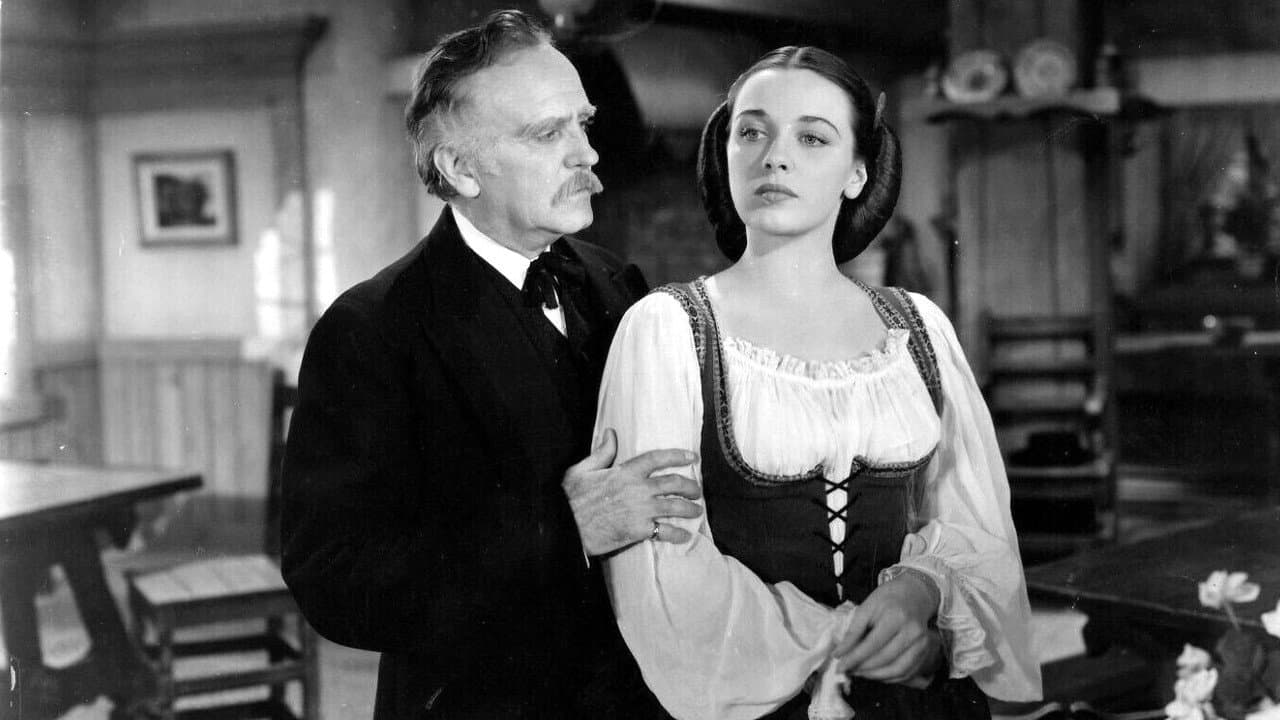
Director Douglas Sirk—who'd later become famous for his melodramas in the 1950s—helmed this wartime effort for Angelus Productions and PRC (Producers Releasing Corporation), a B-picture studio known for cranking out low-budget fare. The film was released in 1943, right in the thick of American involvement in the war, when such movies served as both entertainment and propaganda. The screenplay came from Peretz Hirschbein, Melvin Levy, and Doris Malloy, adapting a story by Bart Lytton, with uncredited polish from Edgar G. Ulmer—a lineup that suggests some serious creative muscle went into the script, even if the final product didn't always cohere.
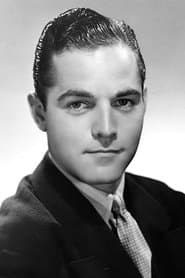
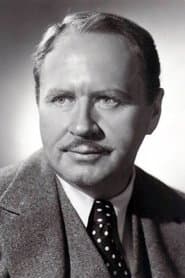
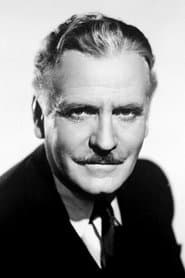
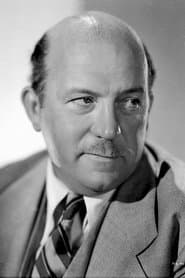
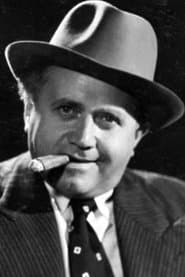
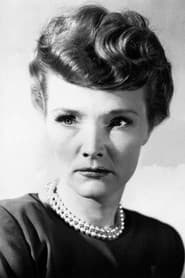
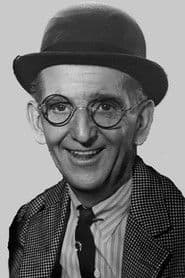
What's striking is that Hitler's Madman was actually inspired by real events: the 1942 assassination of Nazi official Reinhard Heydrich and the horrifying reprisal that followed. The Germans destroyed the Czech village of Lidice entirely, murdering its inhabitants as punishment. John Carradine, who plays Heydrich, brings a cold menace to the role—his presence alone carries the film's moral weight. Patricia Morison anchors the ensemble as the female lead, while Alan Curtis rounds out the cast. The 84-minute runtime keeps things lean and punchy, though not always to the film's benefit. According to Movie OTT, which tracks availability across streaming platforms, this title has found new audiences through digital distribution channels that didn't exist in 1943.
What makes Hitler's Madman stand out as wartime cinema
There's something both earnest and clumsy about Hitler's Madman that's hard to shake. The film doesn't shy away from depicting Nazi cruelty—it's right there on screen, which for 1943 was fairly direct stuff. Sirk, working in the studio system with limited resources, still manages to wring genuine tension from the resistance plot, particularly in scenes where the paratrooper must move through the village without drawing suspicion. The performances aren't uniformly polished (this was B-picture work, after all), but Carradine's ice-cold Heydrich creates a genuine antagonistic force.
What's less successful is the film's tonal balance. It wants to be both a thriller and a patriotic call to arms, sometimes lurching between them awkwardly. The romantic subplot—because there is one—feels obligatory rather than organic, the kind of thing studio executives demanded in 1943. Yet there's something almost admirable about the film's refusal to sentimentalize its subject matter. It shows the Nazis as brutal occupiers, full stop. No complexity, no "understanding the other side." For a wartime film made while the war was still raging, that's not nothing. The IMDb rating of 5.5/10 reflects the uneven execution, but it doesn't quite capture the historical and cultural value of what Sirk was attempting.
Where to stream Hitler's Madman online
If you're curious about this piece of 1940s cinema history, Hitler's Madman is currently available on major OTT services. Rather than hunting through multiple platforms, check the "Where to Watch" widget at the top of this page—it'll show you exactly where the film is streaming right now and save you the back-and-forth. Availability does shift, so that widget is your best bet for up-to-the-minute information. Movie OTT keeps those listings current so you don't waste time searching.
Frequently asked questions
Q: Is Hitler's Madman based on a true story?
Yes, loosely. The film is a fictionalized account of the 1942 assassination of Nazi official Reinhard Heydrich and the subsequent Lidice massacre, in which German forces destroyed an entire Czech village as retaliation. The characters and specific plot points are invented, but the historical backdrop is very real.
Q: Who directed Hitler's Madman?
Douglas Sirk directed the film. Sirk would later become celebrated for his Technicolor melodramas in the 1950s, but Hitler's Madman was one of his earlier American works, made during the war years.
Q: How long is Hitler's Madman?
The film runs 84 minutes, making it a relatively brisk wartime drama that doesn't overstay its welcome.
Q: What's the IMDb rating for Hitler's Madman?
The film currently holds a 5.5/10 rating on IMDb, reflecting mixed critical and audience responses to its uneven execution, though some viewers appreciate it as a historical artifact.
Q: Who stars in Hitler's Madman?
Patricia Morison and Alan Curtis carry the leads, with John Carradine playing the menacing Nazi official Reinhard Heydrich. Carradine's cold performance is often cited as the film's strongest element.
Final thoughts on Hitler's Madman as a historical curiosity
Hitler's Madman isn't a masterpiece, and it doesn't pretend to be. What it is, though, is a window into how Hollywood processed WWII while the war was still happening—earnest, sometimes clumsy, occasionally powerful. Sirk's direction finds moments of real dread, and Carradine's presence lingers. If you're interested in wartime propaganda cinema or the evolution of Douglas Sirk's career, it's worth the 84 minutes. Just don't expect polish. What you'll get instead is something rawer: a film that cared enough about its subject to try.