
The story of Honeysuckle Rose
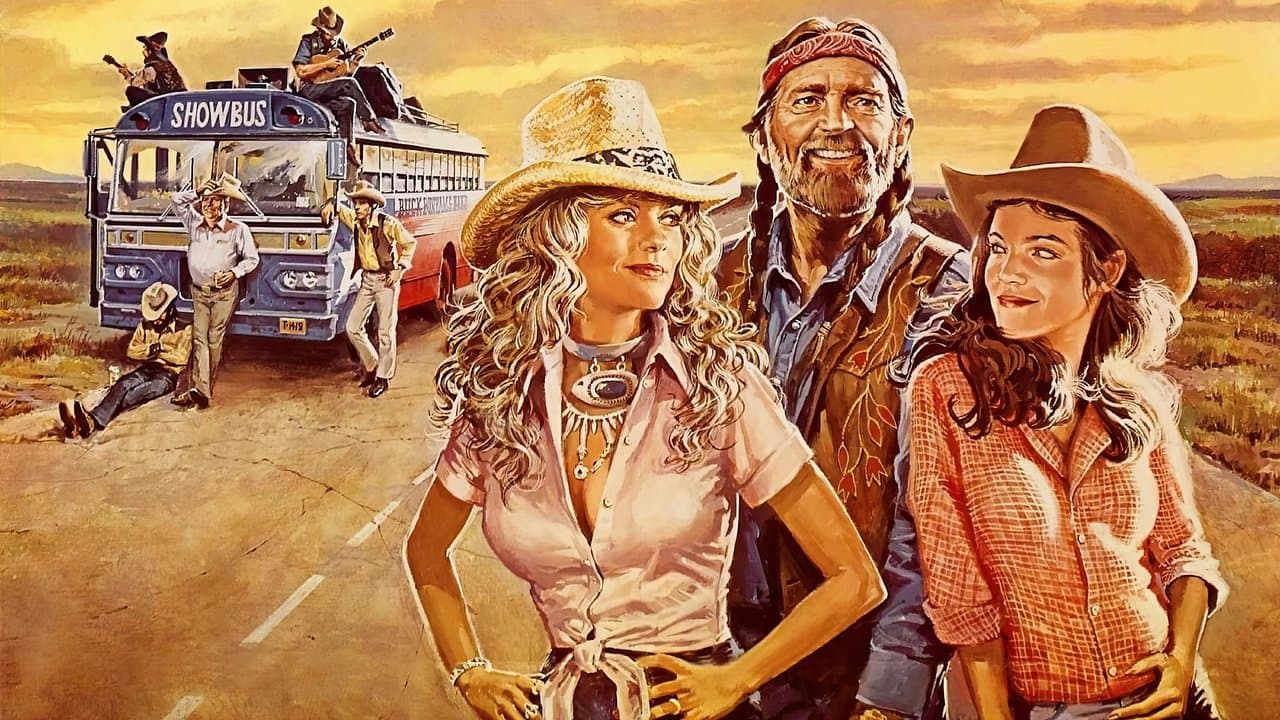
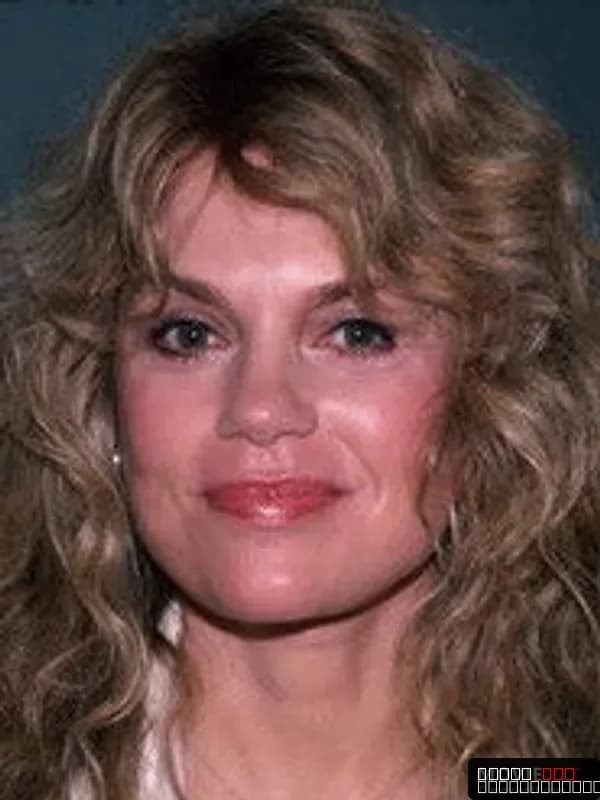
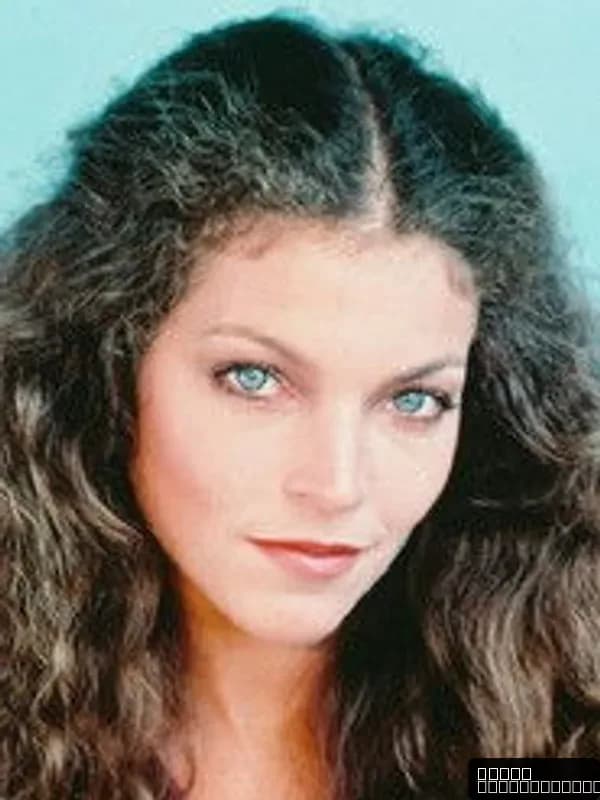
Honeysuckle Rose tells the story of Buck Bonham, a country music star who's spent two decades on the road, his voice becoming the soundtrack to millions of lives. But after 20 years of singing other people's love songs, Buck finds himself living his own—and it's messy. When Amy Irving's character enters his orbit as the daughter of his longtime musical partner, the careful equilibrium he's maintained between his marriage and his career begins to crack. Dyan Cannon plays the woman waiting at home, and the film doesn't shy away from the fact that nobody wins in this triangle. It's a story about the cost of fame, the loneliness of constant motion, and what happens when the road finally catches up with you.
Behind the making of Honeysuckle Rose
Directed by Jerry Schatzberg and released by Warner Bros. Pictures in 1980, Honeysuckle Rose is a loose American remake of the 1936 Swedish film Intermezzo—itself a story about infidelity and artistic obsession. The screenplay came together through the work of multiple writers: John Binder, Gustaf Molander, Carol Sobieski, Gösta Stevens, and William D. Wittliff, each bringing their own sensibility to what could've been a straightforward melodrama. Willie Nelson wasn't primarily known as an actor at the time (his film career was still nascent), but casting him made thematic sense—here was a man who'd actually lived the touring musician's life, who understood the seduction of the spotlight and the guilt of the compromised heart. Dyan Cannon, already an Oscar-nominated actress, brought dramatic weight to a role that could've been one-dimensional, and Amy Irving, then in her twenties, played the ingénue with surprising complexity. The film runs 119 minutes, giving Schatzberg room to explore not just the romantic entanglement but the machinery of the music industry itself—the bus tours, the recording sessions, the performances that keep the emotional narrative humming.
What makes Honeysuckle Rose stand out
What's striking about Honeysuckle Rose is how it refuses to moralize. Buck isn't a villain, and he isn't redeemed either. He's a man who wants everything—success, love, novelty, stability—and the film watches with a kind of sad clarity as he realizes he can't have it all. The performances anchor this moral ambiguity. Nelson brings a weariness to Buck that feels earned; he's not playing a charming rogue but a tired man trying to convince himself he's still alive. Cannon holds the emotional core—her scenes of quiet devastation are harder to watch than any explosion of anger would've been. And Irving, playing the younger woman, avoids the trap of being merely a temptation; she's curious, talented, and genuinely drawn to Buck, which makes the situation even messier. The film doesn't judge her either, which is rare for 1980. Critics have been mixed (the film sits at a 5.3 on IMDb), but that disconnect between critical reception and what's actually on screen says something about how audiences and reviewers process moral complexity. Some viewers want clear heroes and villains; Honeysuckle Rose refuses to provide them. There's also genuine music throughout—not just background scoring but actual performances that remind you why Buck's life on the road matters, why the pull of the stage is so powerful that it can wreck a marriage.
Where to stream Honeysuckle Rose online
Honeysuckle Rose is available on major OTT services, and Movie OTT tracks current streaming availability across platforms so you can find exactly where it's streaming right now. Rather than hunting through multiple subscription apps, you can check the Where to Watch widget at the top of this page to see which service has it in your region. Streaming rights shift regularly, so what's available today might move tomorrow—that's why having a centralized resource matters. The film's 119-minute runtime makes it a solid evening watch, and unlike some deeper cuts from the 1980s, it's actually accessible on the major platforms people already subscribe to.
Frequently asked questions
Q: Who directed Honeysuckle Rose?
Jerry Schatzberg directed the film. He brought a documentary-like eye to the country music world, treating the touring lifestyle with the same gravity he might've applied to a crime drama.
Q: Is Honeysuckle Rose based on a true story?
Not directly, but it's a remake of the 1936 Swedish film Intermezzo, which itself explored infidelity and artistic ambition. The themes are universal enough that they feel autobiographical even though they're not.
Q: What's the runtime of Honeysuckle Rose?
The film runs 119 minutes, giving the story room to breathe and the music moments to land without feeling rushed.
Q: Was Honeysuckle Rose successful at the box office?
The film had a modest theatrical run and didn't become a major commercial hit, though it's gained a modest cult following over the decades among country music fans and those interested in 1980s cinema.
Q: Who else stars in Honeysuckle Rose besides Willie Nelson?
Dyan Cannon and Amy Irving play the two women at the center of Buck's romantic dilemma, with both delivering nuanced performances that elevate the material.
Final thoughts on Honeysuckle Rose
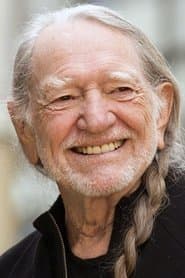
Honeysuckle Rose isn't a perfect film—the pacing can drag, and some narrative choices feel dated. But it's an honest one, and that honesty matters. It's a film about the gap between the person you present on stage and the person you are at home, and it doesn't pretend there's an easy reconciliation. Willie Nelson's weathered face, Dyan Cannon's heartbreak, Amy Irving's youthful confusion—they're all telling you the same thing: some roads don't lead anywhere good. If you're drawn to character-driven drama over plot mechanics, if you appreciate music in cinema, or if you're curious about how country culture was portrayed in 1980s Hollywood, it's worth your time. Movie OTT makes finding it simple—check your local availability and give it a shot.