


The Story of House: Grief, Vietnam, and Unwelcome Houseguests
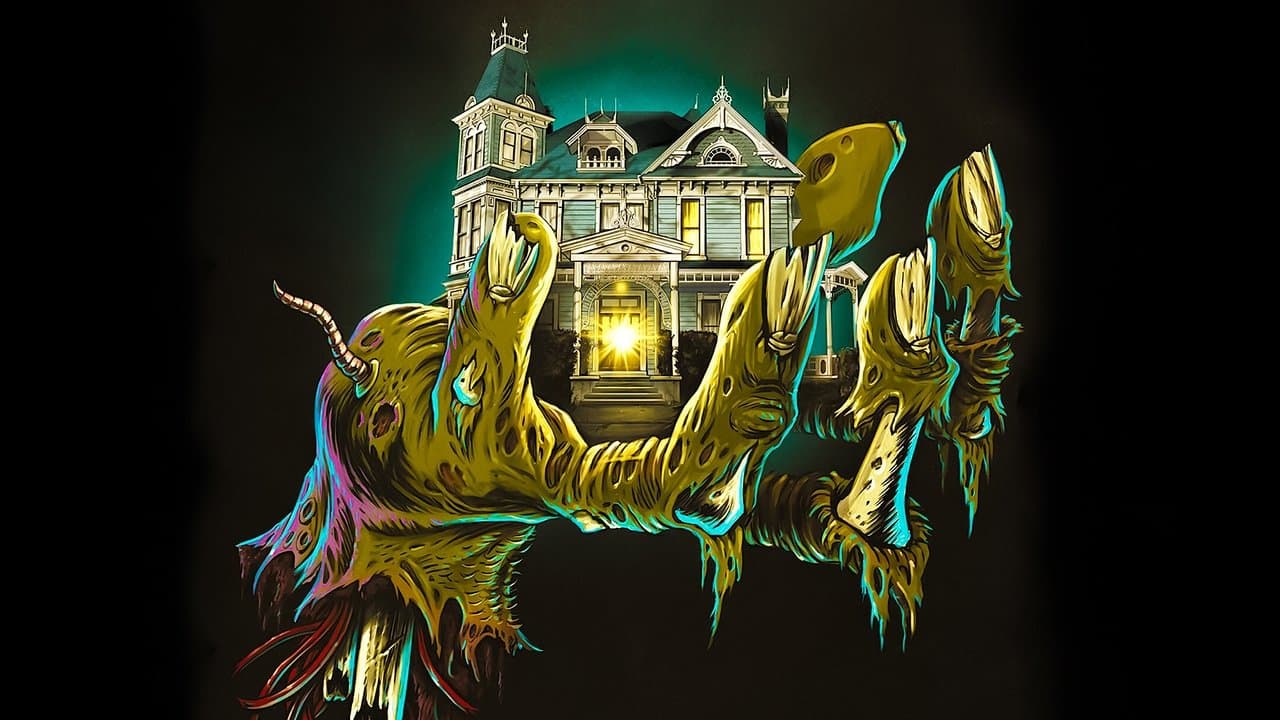
House follows Roger Cobb, a horror novelist reeling from a recent divorce and the unexplained disappearance of his young son. When his aunt Elizabeth Hooper dies, Cobb inherits her sprawling mansion—a place he hoped might offer solace and creative inspiration as he works on a novel rooted in his traumatic Vietnam War experiences. What he finds instead is a house that doesn't want him there. Strange phenomena escalate from minor annoyances to full-blown supernatural terror: doors slam on their own, walls bleed, and the house itself seems to resent his presence with escalating malice. As Cobb struggles to understand what's happening—and whether the house holds any connection to his son's vanishing—he's forced to confront both external horrors and the internal demons that have followed him home from the war.
Behind the Making of House: New World Pictures and the Birth of a Franchise
House arrived in 1985 as a New World Pictures production, directed by Steve Miner, who'd already proven his horror chops on Friday the 13th Part 2 and 3. Screenwriter Ethan Wiley adapted an original story by Fred Dekker, crafting something that sat awkwardly—brilliantly—between comedy and genuine dread. Producer Sean S. Cunningham, the man who created Friday the 13th, brought his knack for building franchises to this project, and it paid off. The film spawned three sequels, making House an established series that would define mid-80s horror-comedy for a generation.
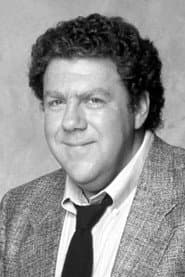
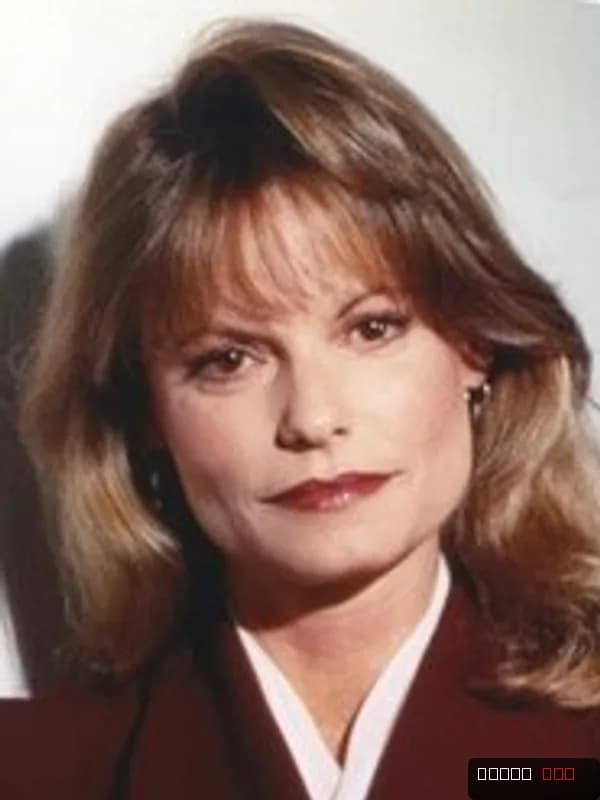
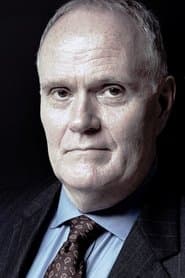
William Katt, best known for The Greatest American Hero, carried the film with a performance that walked the razor's edge between vulnerability and dark humor. George Wendt (Norm from Cheers) provided comic relief as a well-meaning neighbor, while Richard Moll and Kay Lenz rounded out the cast. The film's 92-minute runtime keeps things lean and punchy—there's no fat here, no unnecessary exposition. House didn't break box-office records, but it found its audience in home video and cable rotation, eventually earning a solid 6.2 rating on IMDb. What matters more is that Movie OTT tracks this title across multiple streaming platforms today, making it accessible to new generations discovering what made 80s horror-comedy tick.
What Makes House Stand Out: Tonal Whiplash That Actually Works
Here's the thing nobody mentions about House: it shouldn't work. The film bounces between genuine scares—there's a sequence involving a Vietnam soldier emerging from a wall that's legitimately unsettling—and moments of such absurdist comedy that you're laughing at the exact moment you should be terrified. Yet somehow, director Miner nails the balance. William Katt's performance is crucial here; he plays Cobb as a man barely holding it together, which makes the house's torment feel personal rather than generic. When he's trying to write his war novel and the house won't let him, the frustration reads as real.
What's striking is how the film uses the haunted house not as a setting but as a character with its own agenda. The supernatural events aren't random—they're targeted, almost spiteful, which gives them weight. The movie doesn't just scare; it unsettles. And then it cuts to George Wendt in a ridiculous moment, and you're laughing despite yourself. This tonal complexity is what separates House from countless forgettable 80s horror flicks. It's also why it's held up better than you'd expect. The performances ground the absurdity, making even the most outlandish moments feel earned rather than silly. Katt brings genuine pathos to a role that could've been played as pure comedic fodder, and that restraint—that refusal to wink at the camera—is what makes the scares land.
Where to Stream House Online
House is currently available on major OTT services, and you can check the streaming-availability widget at the top of this page to see exactly where it's playing in your region right now. Movie OTT keeps that information updated in real time, so you won't waste time hunting. The film holds up remarkably well on modern streaming platforms—the practical effects and creature design still carry impact on a TV screen, and honestly, watching it at home, alone, late at night, might be the ideal way to experience it. The intimacy of the viewing experience actually enhances the creeping dread.
Frequently asked questions
Q: Is House based on a true story?
No, House is an original fictional story written by Fred Dekker. However, the protagonist's Vietnam War trauma and the way his personal anguish bleeds into the supernatural narrative give it an emotional authenticity that makes it feel grounded, even as the horror elements get increasingly wild.
Q: Who directed House?
Steve Miner directed the film. He was already known for his work on Friday the 13th Part 2 and 3, bringing his horror sensibility to this unique blend of comedy and scares.
Q: Is House part of a series?
Yes, House is the first film in the House Collection, and it spawned three sequels throughout the late 1980s and early 1990s. The original remains the most acclaimed entry in the franchise.
Q: What's the runtime of House?
The film runs 92 minutes, making it a tight, efficiently paced horror-comedy that doesn't overstay its welcome.
Q: Why is House rated the way it is on IMDb?
With a 6.2 rating, House sits in that sweet spot of cult appreciation rather than universal acclaim. Some viewers find the tonal shifts jarring; others see them as the film's greatest strength. It's the kind of movie that divides audiences in interesting ways.
Q: Who stars in House?
William Katt leads the cast as Roger Cobb, with supporting performances from George Wendt, Richard Moll, and Kay Lenz. Katt's ability to ground the increasingly absurd supernatural events is central to the film's success.
Final Thoughts on House: A Haunting That Deserves Rediscovery
House isn't trying to be the scariest movie ever made, and it's not really trying to be the funniest either. Instead, it exists in that rare space where both impulses coexist without canceling each other out. The film trusts its audience to sit with contradiction—to feel genuine dread and genuine laughter in the same scene. That's harder to pull off than it sounds. If you've never seen it, don't let the 1985 release date fool you into thinking it's dated or quaint. It's a film that understands something fundamental about horror: sometimes the scariest thing is a home that rejects you, especially when you're already broken. Watch it with an open mind and a willingness to let the strangeness wash over you.