







The story of How to Build a Girl
How to Build a Girl follows Johanna Morrigan, a witty, ambitious teenager living in 1990s Wolverhampton with her working-class family. Stuck in a cramped house with limited prospects, she hatches a plan: reinvent herself as Dolly Wilde, a confident, fast-talking music critic, and land a job at a major London publication. The stakes aren't just personal vanity—Johanna's family is struggling financially, and she genuinely believes that making it as a journalist in the capital could transform their lives. What unfolds is a messy, hilarious, and sometimes touching journey about the gap between who we pretend to be and who we actually are. It's the classic coming-of-age setup, but grounded in real economic anxiety and family loyalty rather than just teen angst.
Behind the making of How to Build a Girl
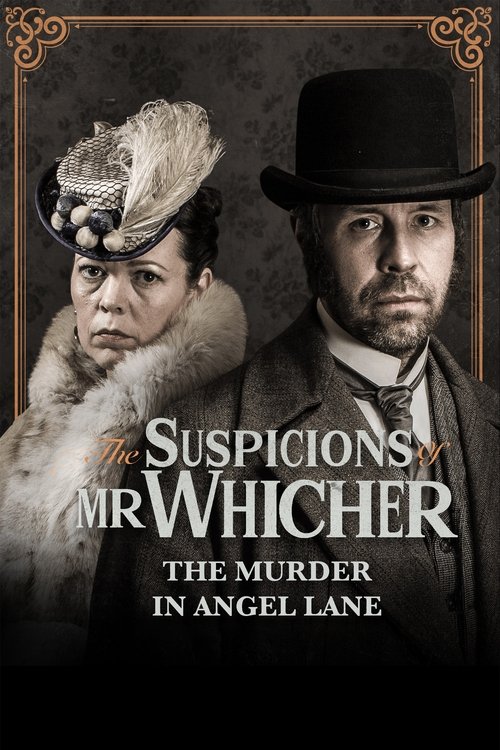
How to Build a Girl arrived in 2020 as an adaptation of Caitlin Moran's 2014 semi-autobiographical novel, with Moran herself penning the screenplay. Director Coky Giedroyc brought the project to life through Film4 Productions, Tango Entertainment, Lionsgate UK, and Monumental Pictures—a solid indie-to-mid-tier lineup that signals confidence without blockbuster pretension. The film clocks in at 102 minutes, a brisk runtime that keeps the energy moving. Beanie Feldstein carries the film as Johanna, supported by a genuinely impressive ensemble: Paddy Considine as her father, Sarah Solemani as her mother, and cameos from Chris O'Dowd, Emma Thompson, and Joanna Scanlan that lend real weight to the supporting cast. The MPAA rated it R, primarily for language and some sexual content—nothing gratuitous, just honest teenage behavior. Critically, the film landed a Metascore of 69 and a 79% Fresh rating on Rotten Tomatoes, suggesting a film that critics found charming if not groundbreaking. It won two awards during its festival run. The box office, however, tells a different story: How to Build a Girl earned just $70,632 in theatrical release, a sobering reminder that even well-reviewed indie comedies struggle to find mainstream audiences in cinemas. That's where streaming platforms have become its second life.
What makes How to Build a Girl stand out
What's striking about How to Build a Girl is how it refuses to punish Johanna for her ambition or her deception. She's not a "likable female character" in the way that phrase gets weaponized in film criticism—she's messy, she lies, she makes terrible decisions, and the film lets her do all of that without constantly apologizing for it. Feldstein's performance captures something real: that particular hunger of a smart kid from nowhere who sees the world opening up and wants to grab it with both hands. The film walks a tightrope between comedy and genuine pathos, especially in scenes with her father (Considine brings real tenderness to a working-class dad who just wants his daughter to be okay) and her struggling family back home. There's a specificity to the 1990s setting—the music journalism world, the indie rock obsession, the pre-internet scramble for cultural relevance—that grounds the story in a particular moment rather than making it feel timeless or generic. I keep coming back to how the film treats Johanna's reinvention not as some shameful con, but as a legitimate survival strategy. The writing has wit, the performances have charm, and there's an honesty about class and aspiration that doesn't get buried under punchlines. That said, the film's 6/10 IMDb rating (from 5,247 votes) suggests it doesn't quite land for everyone—some viewers find it charming; others think it's trying too hard or doesn't quite stick the landing on its bigger themes.
Where to stream How to Build a Girl online
How to Build a Girl is available on major OTT services, and you can check the Where to Watch widget at the top of this page for current availability in your region. Since streaming rights shift regularly, Movie OTT tracks where this title is currently streaming so you don't have to hunt across five different apps. The film's modest theatrical run means it's found a much larger audience through streaming platforms than it ever did in cinemas, which is often the case for character-driven indie comedies that don't need the big-screen experience to work. Whether you're subscribing to one platform or juggling multiple services, you'll likely find it somewhere in your lineup.
Frequently asked questions
Q: Is How to Build a Girl based on a true story?
It's based on Caitlin Moran's 2014 novel of the same name, which is semi-autobiographical—Moran drew heavily from her own experiences as a teenage music journalist in the 1990s. The characters and specific plot points are fictionalized, but the core experience of reinventing yourself to escape a struggling family situation is rooted in Moran's real life.
Q: Who directed How to Build a Girl?
Coky Giedroyc directed the film from a screenplay written by Caitlin Moran herself, adapting her own novel for the screen.
Q: What's the runtime of How to Build a Girl?
The film runs 102 minutes, making it a fairly brisk watch that doesn't overstay its welcome.
Q: Is How to Build a Girl rated R?
Yes, it's rated R, primarily for language and sexual content. It's not a kids' film, but it's not excessively graphic either—the rating reflects the teenage perspective and the film's honest approach to coming-of-age themes.
Q: Where can I watch How to Build a Girl?
It's available on major OTT streaming services. Check the Where to Watch widget on this page to see which platforms currently have it in your region, since availability changes regularly.
Final thoughts on How to Build a Girl
How to Build a Girl won't blow your mind. It's not a masterpiece, and it's not trying to be one. What it is, though, is a smart, funny, genuinely warm film about a girl who wants more than her circumstances seem to allow, and who's willing to lie, scheme, and reinvent herself to get it. Beanie Feldstein carries it with real charm and vulnerability, and the supporting cast—especially Paddy Considine—grounds it in real emotion. If you're in the mood for a coming-of-age comedy that doesn't talk down to its audience and actually has something to say about class, ambition, and the gap between who we want to be and who we are, it's worth your time. Don't expect a life-changing experience, but do expect to be entertained and maybe even moved.