








The story of Hum Saath Saath Hain
Hum Saath Saath Hain arrives as a meditation on family, tradition, and the fragility of togetherness. The film centers on a wealthy businessman's household—a multi-generational joint family that embodies Indian values of unity and shared responsibility. The three sons are getting married, a moment that should crystallize the family's strength. Instead, a single misunderstanding becomes a hairline fracture that spreads through the entire structure. What begins as a celebration gradually transforms into estrangement, forcing each family member to confront whether their bonds are genuine or merely circumstantial. The 1999 release doesn't rush toward resolution; it sits in the discomfort of separation, examining how easily connection can erode when communication fails.
Behind the making of Hum Saath Saath Hain
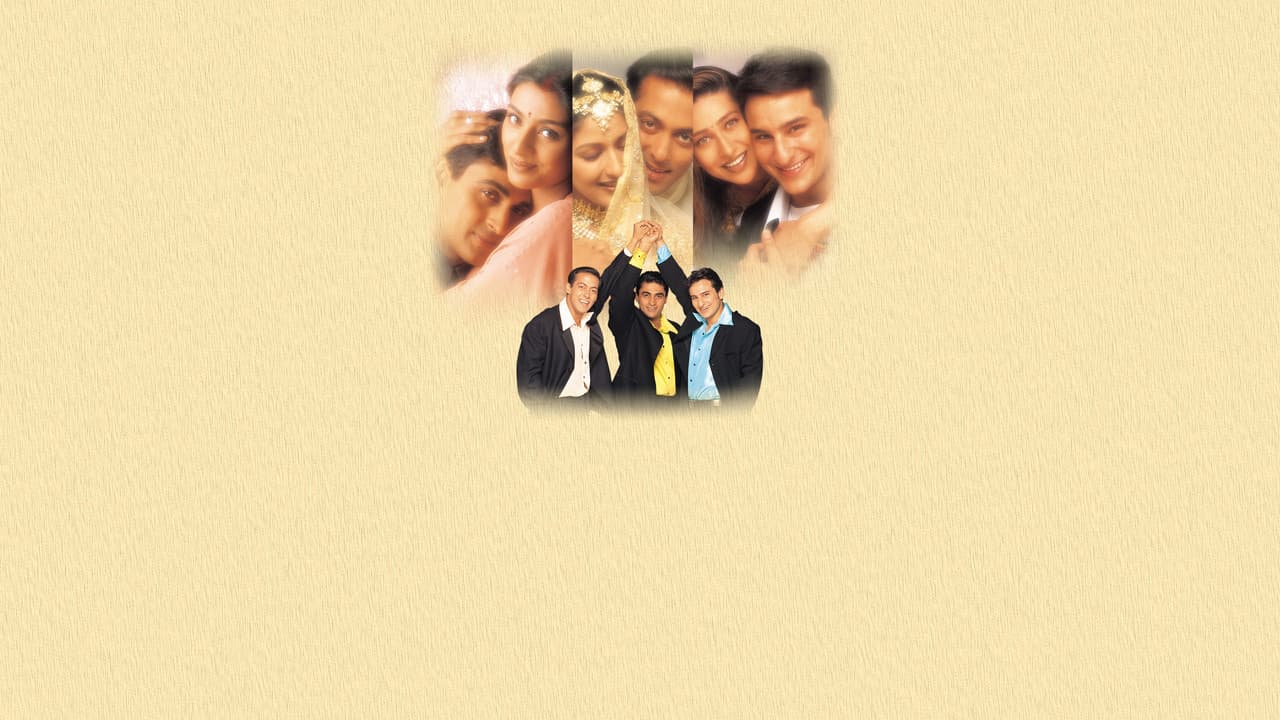
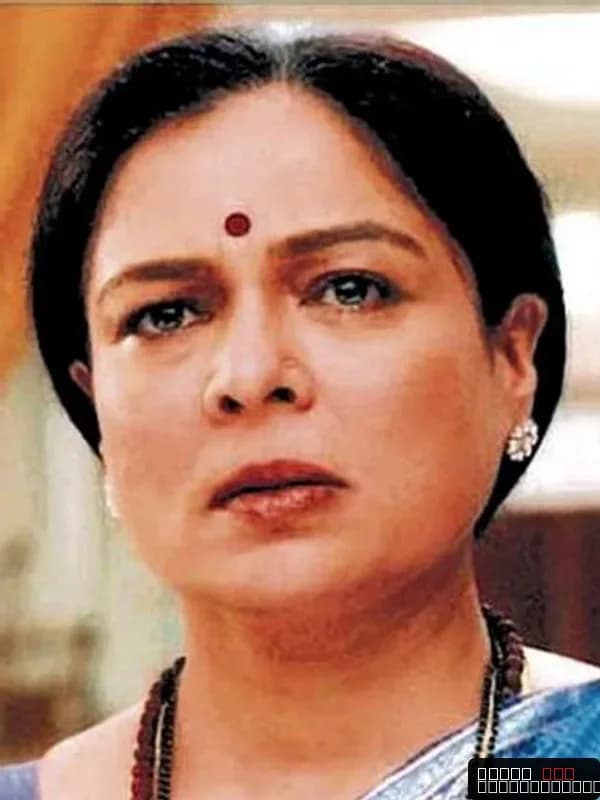
Sooraj Barjatya wrote and directed this 177-minute family drama under Rajshri Productions, the banner that had already become synonymous with wholesome, values-driven Hindi cinema. The ensemble cast reads like a who's-who of late-1990s Bollywood: Mohnish Behl, Tabu, Salman Khan, Sonali Bendre, Saif Ali Khan, and Karisma Kapoor anchored the narrative, while supporting roles featured veteran performers including Alok Nath, Reema Lagoo, Satish Shah, and Sadashiv Amrapurkar. Rajshri's track record—films that celebrated family bonds without preaching—gave Barjatya the creative latitude to stretch his runtime and build ensemble dynamics that might've felt bloated in less capable hands. The production arrived at a moment when Bollywood was beginning to fracture into multiplex dramas and diaspora narratives; Hum Saath Saath Hain felt like a deliberate counterstatement, arguing that the joint-family story still had emotional resonance. The film's box-office performance validated that instinct, becoming one of the year's significant hits and establishing Barjatya as a director who could orchestrate large casts without losing emotional specificity.
What makes Hum Saath Saath Hain stand out
Honestly, what's striking about this film is how it refuses the easy sentimentality that plagued so many family dramas. Yes, there's melodrama—it's Bollywood, after all—but the screenplay doesn't let anyone off the hook. The parents aren't simply wise elders dispensing wisdom; the younger generation isn't simply rebellious or selfish. Each character exists in genuine moral ambiguity, and that's where the film earns its emotional weight. Salman Khan and Saif Ali Khan don't play heroes so much as brothers trapped in a system that's breaking down around them. Karisma Kapoor and Sonali Bendre navigate the precarious position of daughters-in-law, caught between loyalty to their husbands and the family structure they've married into—a tension the film doesn't resolve neatly, which is exactly why it works. The performances aren't showy; they're lived-in, understated in ways that allow the family dynamics to breathe. What's equally impressive is how Barjatya uses the film's considerable length not as padding but as narrative architecture. At 177 minutes, the pacing allows misunderstandings to accumulate organically, small slights building into irreconcilable distance. The thing nobody mentions is that the film's real power lies in its restraint—it doesn't overscore emotional moments or lean into manipulation. It trusts the story and the actors.
Where to stream Hum Saath Saath Hain online
Hum Saath Saath Hain is available on major OTT services, and you can check the Where to Watch widget at the top of this page to see which platforms currently have it in your region. Movie OTT tracks real-time availability across streaming services, so you'll know exactly where to find it without hunting through multiple apps. Given the film's length and emotional investment required, you'll want to carve out an afternoon or evening—this isn't something to half-watch while scrolling. The film's restoration on digital platforms has cleaned up the 1999 print nicely, making the family sequences and period details feel fresher than they might on an old DVD. Streaming availability does shift seasonally, so if you're planning a rewatch with family, check the widget to confirm it's still there.
Frequently asked questions
Q: Who directed Hum Saath Saath Hain?
Sooraj Barjatya wrote and directed the film under Rajshri Productions. Barjatya became known for his family-centric narratives, and this 1999 release remains one of his most ambitious ensemble pieces.
Q: How long is Hum Saath Saath Hain?
The film runs 177 minutes (just under three hours), which gives Barjatya space to develop each family member's arc and let misunderstandings accumulate gradually rather than feel sudden.
Q: Is Hum Saath Saath Hain based on a true story?
No, it's an original screenplay by Sooraj Barjatya exploring fictional family dynamics, though the themes of joint-family tension reflect real social shifts in Indian households during the 1990s.
Q: What's the IMDb rating for Hum Saath Saath Hain?
The film holds a 6.088/10 rating on IMDb, reflecting mixed but respectful reception—audiences appreciated its emotional sincerity even where critics found the runtime excessive.
Q: Who stars in Hum Saath Saath Hain?
The ensemble includes Salman Khan, Saif Ali Khan, Karisma Kapoor, Sonali Bendre, Tabu, and Mohnish Behl in lead roles, with Alok Nath, Reema Lagoo, and Satish Shah in significant supporting parts.
Final thoughts on Hum Saath Saath Hain
This isn't a perfect film. The runtime tests patience. Some subplots don't land with equal weight. But it's a sincere one, made when sincerity wasn't fashionable in Hindi cinema. Watch it if you're interested in how Bollywood grappled with changing family structures, or if you want to see an ensemble cast work without ego. It's the kind of film that benefits from a rewatch—once you know where the fractures lead, the early scenes play differently. That's the mark of something that actually cares about its characters.