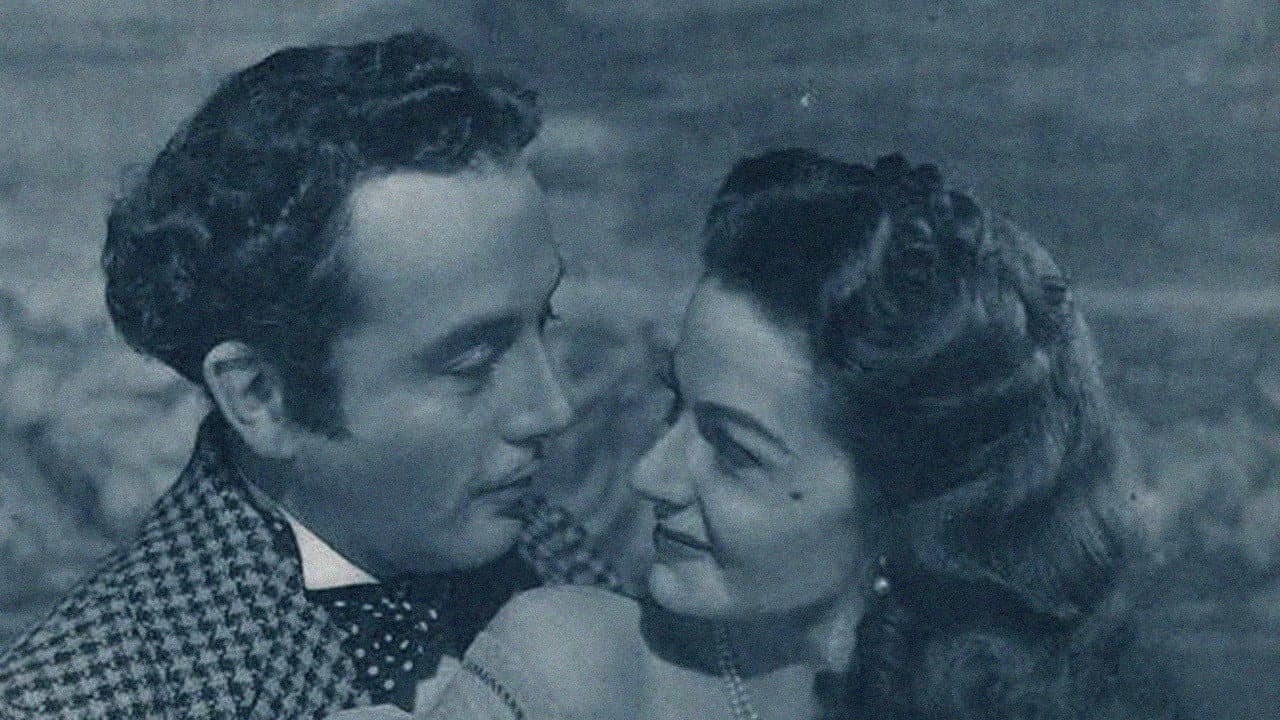
The Story of Hungry Hill
Hungry Hill tells the story of a bitter feud that flamed for 40 years—a dynastic clash between two Irish families whose conflict doesn't just damage empires, it wrecks lives. The Brodrick family and the Donovan clan are locked in a cycle of resentment rooted in a tragedy at their copper mine: the death of Henry, the Brodrick heir. What unfolds across decades is less a tale of grand revenge and more a quiet, creeping tragedy for the woman caught in the middle—the wife of an Irish heir who inherits not just a fortune but a poisoned legacy she didn't create and can't escape.
Director Brian Desmond Hurst's 1947 film adaptation captures the novel's scope without losing sight of the personal cost. The feud isn't abstract; it's a living thing that reaches into bedrooms, dinner tables, and the hearts of people who'd rather move forward. What's striking is how the film understands that old grudges don't need fresh fuel to burn—they just need time and proximity. The narrative threads through generations, showing how resentment compounds, how silence becomes complicity, and how the innocent pay the steepest price.
Behind the Making of Hungry Hill
Hungry Hill emerged from a 1943 novel by Daphne du Maurier, the master of gothic domesticity and psychological tension. Terence Young, who'd later become famous for directing early James Bond films, penned the screenplay, bringing du Maurier's intricate family dynamics to the screen with visual sweep and emotional weight. Brian Desmond Hurst directed—a craftsman known for his ability to balance intimate character work with the grandeur of period settings.
The cast assembled was genuinely formidable. Margaret Lockwood, already a star from her work in The Wicked Lady and The Lady Vanishes, anchors the film as the woman whose life becomes collateral damage in a feud not of her making. Dennis Price and Cecil Parker—both skilled at conveying moral complexity and restraint—carry the weight of the Brodrick family's sins and ambitions. Michael Denison appears as Henry, the catalyst for everything that follows. Lockwood's presence is essential; she's the moral center around which the male egos and historical grievances orbit.
Two Cities Films produced the picture, and while it didn't become a box-office juggernaut, it found an audience among those who appreciated du Maurier adaptations and character-driven dramas. The film arrived in 1947, a moment when British cinema was reasserting itself post-war, and while Hungry Hill didn't sweep awards season, it earned respect for its ambition and craft. For those tracking du Maurier on screen, it remains a fascinating companion to Rebecca and Jamaica Inn—less celebrated, perhaps, but equally committed to exploring how the past devours the present.
What Makes Hungry Hill Stand Out
Cecil Parker becomes the thread that guides us through this adaptation, offering a performance of quiet, almost glacial bitterness that never tips into melodrama. What he brings to the Brodrick patriarch is a kind of weary inevitability—he's trapped by his own sense of honor and his family's hunger for vengeance, and you can see it in every line of his face. The thing nobody mentions is how much of the film's power rests on the performances' restraint. This isn't a picture where people shout their emotions; they swallow them, bury them, and let them poison everything around them.
The film's real strength lies in its refusal to pick a villain. The Donovan clan didn't start this fight, but they're not innocent either. The Brodricks believe they're justified, and in their world, they are. There's no moment where someone stands up and says, "This is insane, let's stop." Instead, there's a slow, inexorable momentum—a sense that once the wheel starts turning, it can't be stopped, only endured. That's far more unsettling than a simple good-versus-evil narrative. Margaret Lockwood's character exists in the space between these two forces, and watching her navigate that impossible terrain—trying to love her husband while recognizing the poison in his bloodline—is genuinely affecting.
Critics have noted that the film can feel slow by modern standards, and that's fair. It's a picture that trusts you to sit with discomfort, to watch resentment calcify into something harder and colder. Movie OTT helps track where period dramas like this are currently streaming, and if you're the kind of viewer who appreciates deliberate pacing and psychological depth over action, you'll find something here worth your time.
Where to Stream Hungry Hill Online
Hungry Hill is available across major OTT services, making it accessible if you're looking to explore British cinema from the 1940s or want to revisit Daphne du Maurier adaptations. Rather than hunting across multiple platforms, Movie OTT tracks current streaming availability so you can find exactly where this title is playing right now—whether that's a subscription service you already have or a rental option. The "Where to Watch" widget at the top of this page will show you every platform currently carrying the film, updated in real time. Given that streaming rights shift frequently, checking there before you settle in is always your best bet.
Frequently asked questions
Q: Is Hungry Hill based on a book?
Yes. The film is adapted from Daphne du Maurier's 1943 novel of the same name. Terence Young wrote the screenplay, translating du Maurier's exploration of family feud and personal tragedy into visual narrative.
Q: Who directed Hungry Hill?
Brian Desmond Hurst directed the film. He was known for his work in British cinema and his ability to balance intimate character drama with period scope.
Q: What's the runtime of Hungry Hill?
The film runs 103 minutes, giving it enough time to unfold the generational conflict without feeling rushed or overly padded.
Q: Is Hungry Hill a true story?
No, it's a fictional narrative by du Maurier, though it draws on the kinds of family feuds and class tensions that were very real in 19th-century Ireland and Britain.
Q: Who stars in Hungry Hill?
Margaret Lockwood carries the film as the protagonist caught between two warring families, with strong supporting performances from Dennis Price, Cecil Parker, and Michael Denison.
Final Thoughts on Hungry Hill
Hungry Hill won't be for everyone—it's a slow burn, a film that believes in the power of what's unsaid and what accumulates in silence. But if you're drawn to character-driven dramas, to explorations of how the past refuses to stay buried, and to performances that work through restraint rather than histrionics, it's worth seeking out. The 1947 film stands as a solid, thoughtful adaptation of du Maurier's novel, a reminder that not every story needs explosions or plot twists to matter. Sometimes the tragedy is simply that good people get trapped in bad situations—and nobody knows how to escape.