

The Story of Hustle & Flow
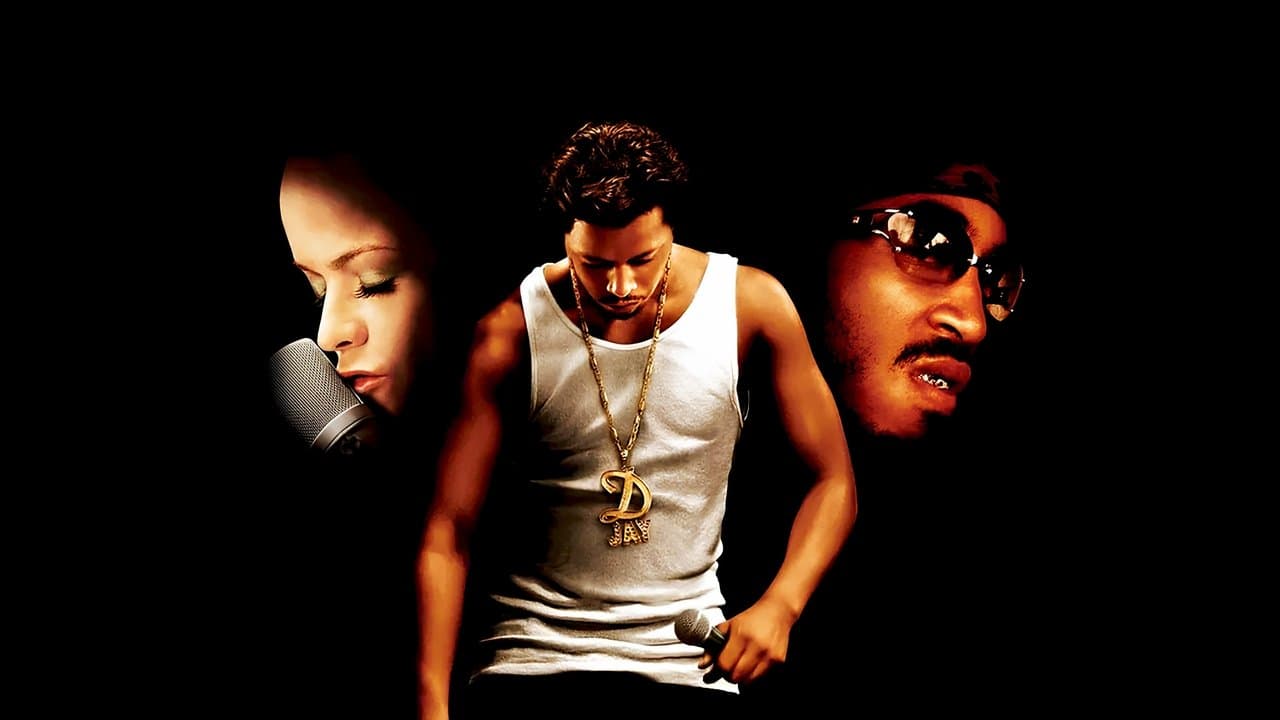
Hustle & Flow tells the story of DJay, a Memphis pimp caught in a midlife crisis who decides his ticket out of the game is hip-hop. The premise sounds almost absurd on paper — a career criminal with zero industry connections attempting to become a successful rap emcee — but that's precisely what makes it work. DJay isn't a sympathetic character. He's egotistical, desperate, and willing to manipulate everyone around him to chase this dream. Yet somehow, Craig Brewer's film asks us to sit with him anyway, to understand that desperation can look a lot like ambition when you're running out of time. The film doesn't shy away from who DJay is or what he's done; it just refuses to let those facts define his entire story. Everybody gotta have a dream, as the tagline promises — even if that somebody isn't who we'd expect.
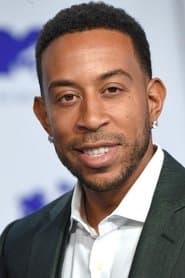
The narrative unfolds across 116 minutes of Memphis grit and genuine tension. DJay assembles an unlikely crew to help him record a demo tape, hoping to catch the attention of Ludacris's character, a visiting superstar known as Skinny Black. It's a long shot. A desperate, probably impossible shot. But that's where the film's emotional core lives — in that space between dream and delusion, between what you want and what you actually deserve.
Behind the Making of Hustle & Flow
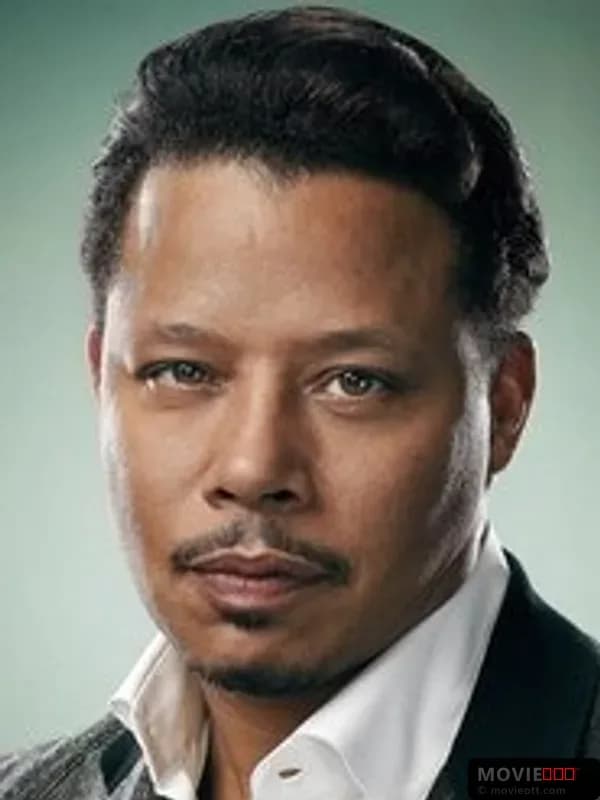
Craig Brewer wrote and directed Hustle & Flow with a specificity that comes from real knowledge of his subject matter. The film was produced by John Singleton and Stephanie Allain under New Deal Productions, Crunk Pictures, and Homegrown Pictures — a trio of production houses that understood they were making something unconventional. Terrence Howard carries the entire film on his shoulders, and his commitment to the role is undeniable; he doesn't play DJay as a sympathetic character trying to win our affection, but as a man whose ambition and ego are inseparable from his capacity for harm.
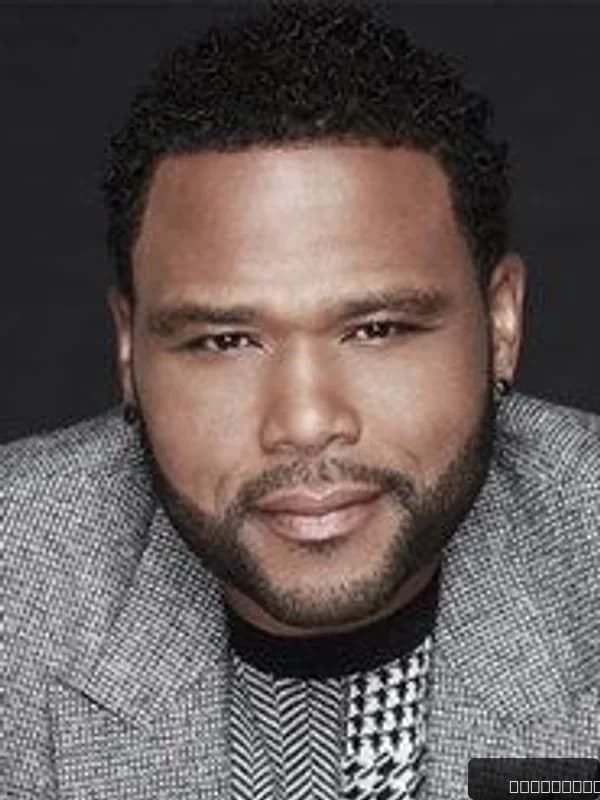
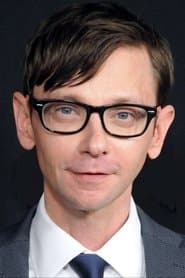
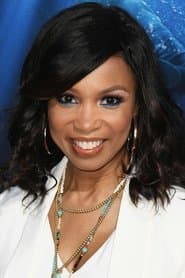
The ensemble cast around him — Anthony Anderson, Taraji P. Henson, DJ Qualls, and others — grounds the story in a community of people who are either enabling DJay's dream or being exploited by it, often both at once. The film arrived in 2005 to strong critical response, earning an IMDb rating of 7.151/10 and genuine recognition across the industry. What's striking is that it managed to be both commercially viable and artistically uncompromising, a balance that doesn't happen often in independent drama. Variety reported that the film's unflinching treatment of its subject matter — the pimping, the manipulation, the casual misogyny — became part of what made it resonate with audiences looking for something honest rather than sanitized.
The production design captures Memphis with specificity. You're not watching a generic urban setting; you're watching a particular city, with its particular music history and particular economic desperation. That grounding matters. It keeps the film from becoming a parable and makes it feel like a documentary of a real moment in one man's life.
What Makes Hustle & Flow Stand Out
What makes Hustle & Flow stand out is its refusal to let its protagonist off easy. Most films about dreamers and underdogs want you to root for the underdog unconditionally. This one? It wants you to understand DJay while also recognizing his capacity for cruelty. He's manipulative. He's abusive to the women in his life. He's not a good person trying to escape his circumstances; he's a bad person trying to escape consequences — and those aren't the same thing.
Howard's performance captures this contradiction without ever winking at the camera or asking for forgiveness. There's a scene where DJay is recording his demo, and you can see the hunger in his eyes, the genuine belief that this is his moment. It's not entirely fake. That's what makes it so unsettling. The thing nobody mentions is how much of the film's power comes from this ambiguity — we're never quite sure if we're watching someone who deserves a second chance or someone who's just found a new way to hustle. The supporting cast, particularly Taraji P. Henson as Shug, grounds the emotional stakes. Her character isn't just a love interest or a plot device; she's a person with her own damage and her own reasons for being tangled up with DJay.
The film also understands hip-hop culture in a way that mainstream cinema often doesn't. It's not using rap as a soundtrack or a shorthand for urban authenticity. It's treating hip-hop as a genuine art form with its own rules, its own gatekeepers, and its own respect system. That specificity is part of why the film doesn't feel dated, even nearly two decades later.
Where to Stream Hustle & Flow Online
Finding where to watch Hustle & Flow has never been easier, thanks to streaming aggregators that track availability across multiple platforms. The film is currently available on major OTT services, and Movie OTT keeps a real-time tracker of which platforms are carrying it right now — whether that's Netflix, Prime Video, or other major services. Availability changes seasonally and by region, so checking the Where to Watch widget at the top of this page will give you the most current information. If you're planning a viewing, don't assume it's on the same platform where you saw it last; streaming rights rotate constantly. The good news is that 2005 dramas like this one are usually available somewhere, and it's worth the two-minute search to find it.
Frequently Asked Questions
Q: Who directed Hustle & Flow?
Craig Brewer both wrote and directed Hustle & Flow. He brought a specific vision to the material, grounding the story in Memphis and treating the world of hip-hop with genuine respect rather than stereotypes.
Q: What's the runtime of Hustle & Flow?
The film runs 116 minutes, which gives Brewer enough time to develop both the character and the world around him without ever feeling padded or slow.
Q: Is Hustle & Flow based on a true story?
While the film isn't a direct biography, it's inspired by real stories of reinvention and the Memphis hip-hop scene. Brewer drew from his knowledge of the city and its music culture to create a narrative that feels grounded in truth even if the specific character is fictional.
Q: What genres does Hustle & Flow belong to?
The film is categorized as Crime, Drama, and Music — a hybrid that reflects its complex approach to the material. It's not a straight biopic, not a crime thriller, and not a musical, but somehow it's all three at once.
Q: Who stars in Hustle & Flow?
Terrence Howard carries the film as DJay, supported by an ensemble cast including Anthony Anderson, Taraji P. Henson, DJ Qualls, and Ludacris. Each performer brings depth to what could have been stock characters.
Final Thoughts on Hustle & Flow
Hustle & Flow is essential viewing for anyone interested in how cinema can tackle morally complicated characters without resorting to easy judgments. It's a film that trusts its audience to sit with discomfort. You don't have to like DJay. You don't have to believe he deserves his dream. But you'll understand him by the time the credits roll — and that understanding is more valuable than sympathy. If you haven't seen it, it's worth tracking down on your preferred streaming service. If you have seen it, it's worth revisiting.