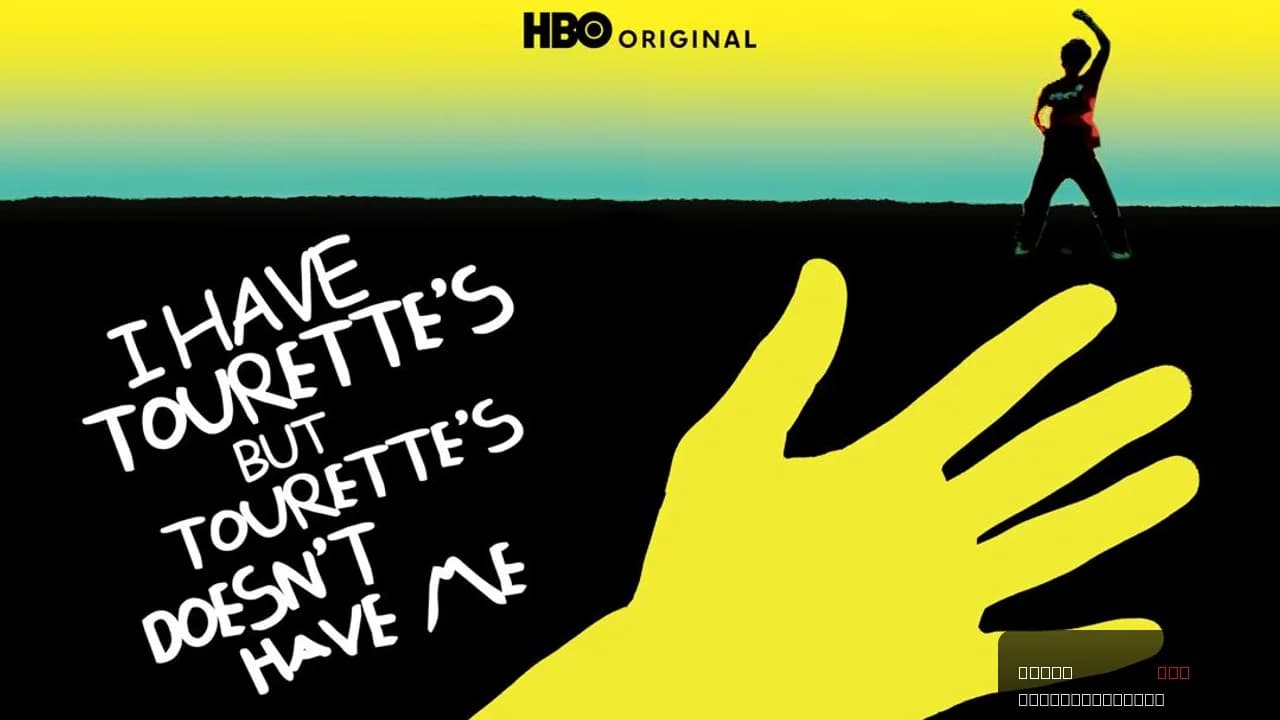
What I Have Tourette's But Tourette's Doesn't Have Me Is About
I Have Tourette's But Tourette's Doesn't Have Me presents a window into the lives of more than a dozen American children between the ages of six and thirteen who live with Tourette syndrome. Rather than treating the condition as a medical case study, director Ellen Goosenberg Kent's 2005 documentary centers the voices and personalities of the kids themselves—their humor, their frustrations, their dreams, and the very ordinary ways they navigate school, friendships, and family life while managing involuntary tics and vocalizations. The film doesn't shy away from the real difficulties these children face, but it also refuses to let Tourette's define their entire story. It's a portrait of resilience that doesn't feel saccharine or manipulative, which is harder to pull off than it sounds.
Behind the Making of I Have Tourette's But Tourette's Doesn't Have Me
Directed by Ellen Goosenberg Kent, I Have Tourette's But Tourette's Doesn't Have Me emerged at a moment when documentary filmmaking was increasingly turning toward intimate, character-driven narratives about health and disability. Kent's approach prioritizes the agency and authenticity of her subjects—she lets the children speak for themselves rather than filtering their experiences through expert commentary or clinical frameworks. The film runs just 27 minutes, a length that serves the material well; it's long enough to develop real connections with several of the featured children, but brief enough to maintain focus and emotional intensity without veering into melodrama.
While the documentary didn't generate major theatrical box office numbers—it was primarily distributed through educational and broadcast channels—it found significant traction in schools, medical settings, and advocacy organizations focused on Tourette syndrome awareness. The film's modest production footprint and straightforward documentary style allowed Kent to prioritize access and candor over production spectacle. What's striking is how the film's simplicity becomes its strength; there's no manipulative score, no slow-motion revelation shots. Just kids being themselves, tics and all. The documentary has been recognized within disability advocacy circles for its respectful, non-exploitative approach to portraying young people with neurological conditions—a standard that wasn't always met in earlier media representations of Tourette's.
Why I Have Tourette's But Tourette's Doesn't Have Me Stands Out in Documentary Filmmaking
What makes this documentary resonate is its refusal to treat Tourette syndrome as the villain of the story. The children featured aren't presented as tragic figures or inspirational-porn caricatures; they're just kids—some funny, some shy, some angry, some hopeful. One moment that stays with you is watching a child explain, with remarkable self-awareness, how they've learned to anticipate their tics and even laugh about them with friends. That kind of honest, unsentimental portrayal is rare. The film acknowledges real hardship—bullying, social isolation, the exhaustion of managing a condition that won't cooperate with your schedule—but it also captures moments of pure, unguarded joy and connection.
Kent's directorial choice to give substantial screen time to multiple children (rather than focusing on one or two protagonists) creates a mosaic effect: you see the diversity of how Tourette's manifests, how differently each child's family responds, and how personality and circumstance shape experience as much as diagnosis does. There's no single "Tourette's story" here, which is the point. The performances—and yes, the word "performance" applies, even in documentary, because these kids are conscious of the camera—feel genuine precisely because Kent doesn't push for emotional beats. She observes, and lets the audience draw conclusions.
The film also benefits from its era. Made in 2005, before social media had reshaped how young people navigate visibility and disclosure, it captures a different landscape of childhood and disability—one that's both more isolated and, in some ways, more grounded in real face-to-face community. That historical specificity is part of what makes it worth watching now.
Where to Stream I Have Tourette's But Tourette's Doesn't Have Me Online
You can currently watch I Have Tourette's But Tourette's Doesn't Have Me on HBO Max and Max, making it accessible to subscribers of those platforms. The film is also available through the HBO Max Amazon Channel if you access HBO through your Amazon Prime Video account. Given the documentary's educational value and its relevance to anyone interested in disability representation or neurodiversity, it's worth checking Movie OTT to confirm current availability in your region, as streaming rights can shift. Movie OTT's platform aggregates real-time data on where films are streaming, so you'll always know which service has the title without having to hunt across five different apps.
Frequently asked questions
Q: Who directed I Have Tourette's But Tourette's Doesn't Have Me?
Ellen Goosenberg Kent directed the documentary. Kent is known for her thoughtful, character-centered approach to filmmaking, particularly around health and human experience.
Q: How long is I Have Tourette's But Tourette's Doesn't Have Me?
The film runs 27 minutes, making it an efficient and focused viewing experience that works well for classroom settings or individual streaming.
Q: What is Tourette syndrome, and does the documentary explain it?
Tourette syndrome is a neurological condition characterized by involuntary tics—both motor and vocal. The documentary doesn't lecture about the science; instead, it shows what living with Tourette's actually looks like through the eyes of children who have it, which is often more illuminating than a clinical definition.
Q: Is I Have Tourette's But Tourette's Doesn't Have Me appropriate for kids?
Yes, the documentary is designed to be accessible to young audiences and is commonly used in schools. It's honest without being graphic, and it can help both children with Tourette's and their peers understand the condition better.
Q: Where can I watch I Have Tourette's But Tourette's Doesn't Have Me?
The film is available on HBO Max, Max, and the HBO Max Amazon Channel. Check the Where to Watch widget at the top of this page for the most current availability.
Final Thoughts on I Have Tourette's But Tourette's Doesn't Have Me
If you're looking for a documentary that treats its subjects with genuine respect while remaining deeply human and sometimes even funny, I Have Tourette's But Tourette's Doesn't Have Me delivers. It won't lecture you about disability or make you feel like you've done your good deed by watching. Instead, it'll introduce you to a group of kids who are dealing with something difficult and managing it with more grace, humor, and honesty than many adults could muster. Nearly two decades after its release, the film remains one of the most straightforward, unsentimental portraits of childhood and neurological difference in documentary cinema. That's worth your 27 minutes.