







The story of I Love Hong Kong 2012: Family, fate, and impending doom
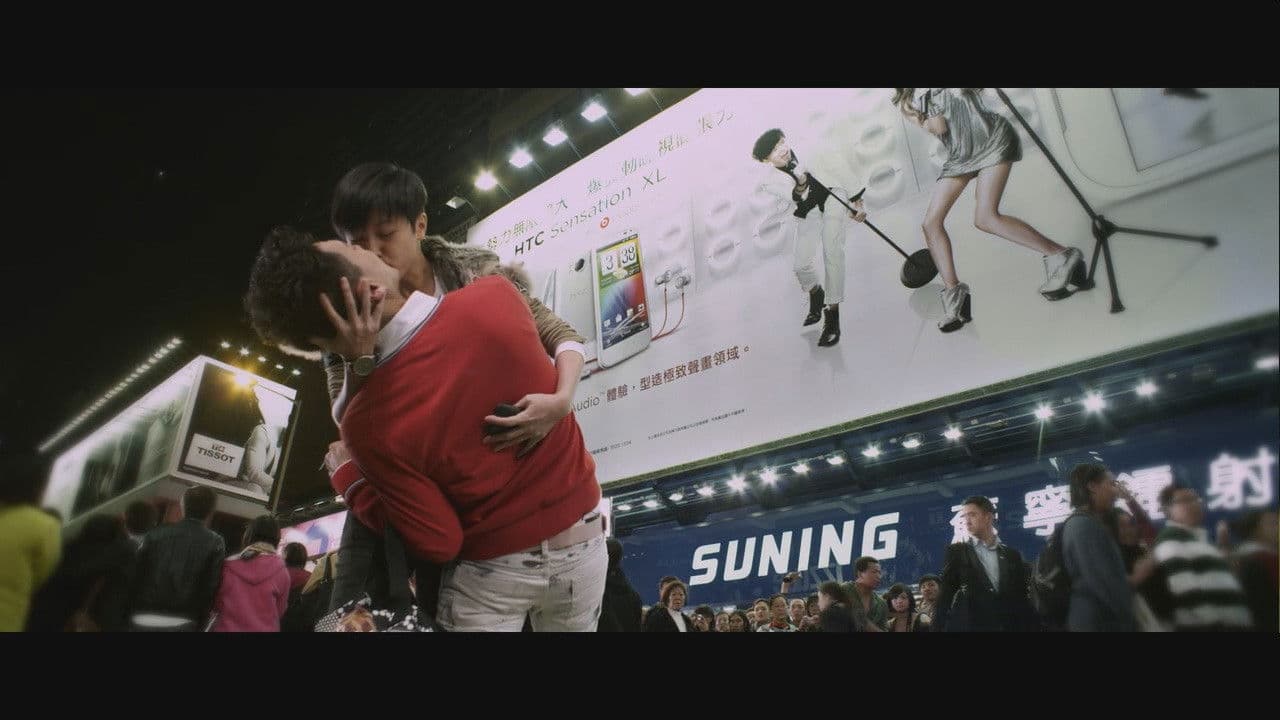
I Love Hong Kong 2012 centers on Kwok Ching, a television weatherman on the verge of retirement who's spent his life chasing a promotion to news anchor that never came. But his professional disappointments pale beside his domestic chaos. He's raised three children alone, and they've grown up to resent his constant meddling in their affairs. His eldest daughter Mei Mei is a successful lawyer married to a househusband named Yao Ming, while his tomboyish second daughter Ching Ching runs a supermarket and harbors feelings for a sissy promoter called Lok Yi Nga. The youngest, Fu Shing, is an otaku obsessed with starlet Vivian—a crush that puts him in direct competition with a billionaire rival named Roberto. When Kwok Ching learns that the world faces impending doom, he becomes seized with urgency: he must reunite his fractured family before it's too late. What follows is a scramble of misunderstandings, romantic entanglements, and the kind of chaotic family dynamics that drive both comedy and unexpected pathos.
Behind the making of I Love Hong Kong 2012: Production, cast, and ensemble ambition
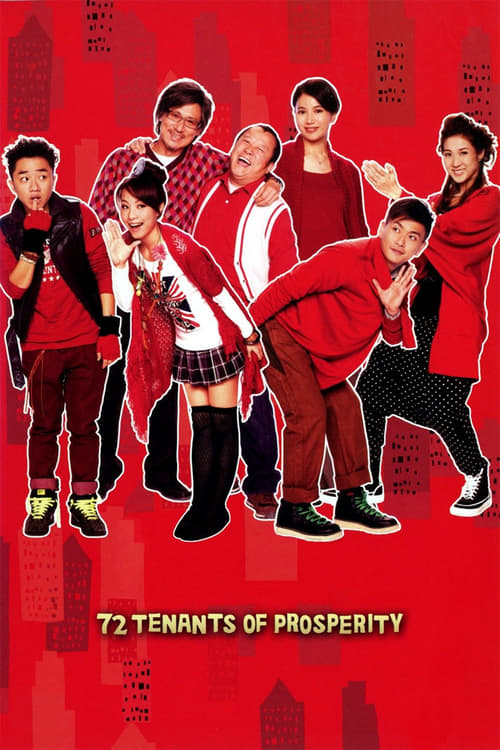
I Love Hong Kong 2012 is the sequel to the 2011 film of the same name, though it operates with a different storyline and a fresh thematic focus. Produced by Eric Tsang and directed by Chung Shu Kai and Chin Kwok Wai, the film represents a major collaboration between two legendary Hong Kong production houses: TVB and Shaw Brothers. That's significant—these aren't small players. TVB (Television Broadcasts Limited) has been the backbone of Hong Kong entertainment for decades, while Shaw Brothers is one of cinema's most storied studios, with roots stretching back to the golden age of Hong Kong film. The ensemble cast reads like a who's who of Hong Kong entertainment. Tsang himself appears alongside Teresa Mo, Bosco Wong, Denise Ho, Stanley Fung, Siu Yam-yam, William So, and Mak Cheung-ching. The film also features a parade of guest appearances from Hong Kong stars—the kind of cameo-heavy approach that's become something of a trademark for this franchise. It's the sort of project that only works if you've got serious institutional backing and a deep roster of talent willing to show up. The film runs 100 minutes, giving the ensemble enough room to breathe without overstaying its welcome. While the film didn't become a runaway box-office smash, it found its audience within the Hong Kong comedy tradition, where star power and family-friendly chaos often matter more than critical consensus.
What makes I Love Hong Kong 2012 stand out: Ensemble dynamics and tonal ambition
Here's the thing about Hong Kong comedies that don't always translate to Western audiences: they're willing to be messy in ways that feel genuinely lived-in rather than manufactured. I Love Hong Kong 2012 doesn't pretend that family reunion stories are neat or simple. The characters aren't likable in a polished way—Kwok Ching is a busybody, his children actively resent him, and the romantic subplots are tangled enough to create real friction. What's striking is that the film seems to understand this isn't a bug but a feature. The performances anchor themselves in that friction. Teresa Mo, in particular, brings a weary exasperation to her role that suggests she's spent years managing her father's expectations. Bosco Wong and Denise Ho play off each other with the kind of chemistry that suggests genuine history, even when their characters are at odds. The inclusion of billionaire Roberto as Fu Shing's romantic rival adds a class-consciousness element that gives the comedy an unexpected edge—this isn't just family chaos, it's family chaos colliding with economic inequality and status anxiety. The apocalyptic premise, while played for laughs, also forces the film to grapple with what family actually means when time is running out. It's not profound, exactly, but it's more thoughtful than you'd expect from a broad ensemble comedy. Movie OTT covers these kinds of culturally specific comedies that don't always make international headlines but carry real charm for audiences who grew up with this sensibility.
Where to stream I Love Hong Kong 2012 online
I Love Hong Kong 2012 is available across major OTT services, making it accessible if you're curious about Hong Kong's approach to ensemble comedy. The "Where to Watch" widget at the top of this page shows you exactly which platforms currently have it in your region—availability shifts depending on licensing agreements, so it's worth checking there first rather than hunting across multiple apps. If you're already subscribed to major streaming services, there's a decent chance you'll find it somewhere in your library. It's the kind of film that works best as a rainy-day discovery rather than something you'd necessarily plan an evening around, but if you stumble across it, you'll likely find it charming in ways that surprise you.
Frequently asked questions
Q: Is I Love Hong Kong 2012 a sequel to the first I Love Hong Kong film?
Yes, it's the second film in the I Love Hong Kong Collection, released a year after the original 2011 film. While it's part of an established franchise, the 2012 version features a different storyline and cast, so you don't need to watch the first film to follow along.
Q: Who directed I Love Hong Kong 2012?
The film was directed by Chung Shu Kai and Chin Kwok Wai, with producer Eric Tsang also appearing in the cast. It's a co-production between TVB and Shaw Brothers, two of Hong Kong's most respected entertainment institutions.
Q: What's the runtime of I Love Hong Kong 2012?
The film runs 100 minutes, giving the large ensemble cast enough screen time to develop their various storylines without dragging.
Q: Is I Love Hong Kong 2012 based on a true story?
No, it's a fictional comedy about a weatherman trying to reunite his family before the world ends. The apocalyptic premise is played for laughs rather than treated seriously.
Q: What's the IMDb rating for I Love Hong Kong 2012?
The film currently has an IMDb rating of 4.9 out of 10, which reflects a mixed critical response—though ratings don't always capture the appeal of culturally specific comedies that play better to Hong Kong audiences than international viewers.
Final thoughts on I Love Hong Kong 2012
I Love Hong Kong 2012 isn't trying to be a masterpiece. It's a star-studded family comedy that understands the messy, exasperating, occasionally touching reality of trying to connect with people you love but don't always like. If you're drawn to Hong Kong cinema, ensemble casts, or just want something that won't take itself too seriously, it's worth your time. Don't expect it to change your life. Do expect it to deliver what it promises: chaos, laughs, and a reminder that sometimes the most important reunions happen under the most ridiculous circumstances.