





The story of I Vicerè: Power, decline, and a family's last stand
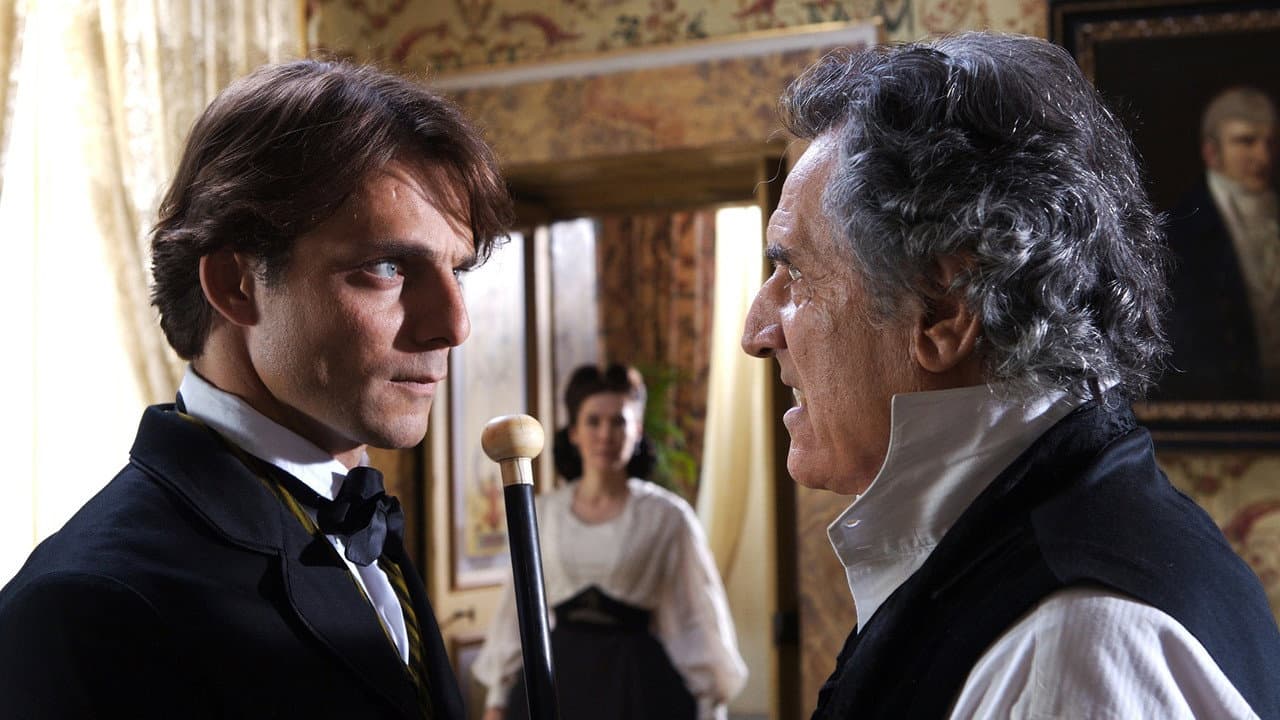
I Vicerè tells the story of the Uzeda family, Sicilian nobility whose name itself carries the weight of centuries—descended from the ancient viceroys who once ruled the island with absolute authority. It's late 19th-century Sicily, a moment when everything they've known is crumbling. The newly unified Italian state is reshaping the peninsula, and the old feudal order that sustained families like theirs is dissolving into history. What unfolds across 117 minutes is less a conventional plot and more a portrait of decline—watching as the Uzedas scramble, scheme, and ultimately fail to maintain their position in a world that's stopped listening to their claims of inherited supremacy. The film doesn't romanticize their struggle. Instead, it treats their desperation with a kind of cold, observational eye that makes the whole enterprise feel both tragic and almost darkly comic.
Behind the making of I Vicerè: Roberto Faenza's ambitious adaptation
Roberto Faenza directed I Vicerè, and the project itself was something of a statement—the source material, Federico De Roberto's 1894 novel of the same name, had been effectively suppressed for over a century. That tagline isn't hyperbole: the book was considered too damaging, too unflinching in its portrait of Sicilian aristocracy and political corruption to circulate freely. Getting it to screen required serious institutional backing, and the production reflects that: Jean Vigo Italia, RAI Cinema, Rai Fiction, and several European co-producers combined resources to mount what was clearly an expensive, prestigious undertaking. The cast was anchored by Lando Buzzanca, a titan of Italian cinema whose performance in the role of Consalvo Uzeda became the emotional core of the entire film. Buzzanca's work was so commanding that he took home the Globo d'oro for best actor—a recognition that underscored just how much of the film's weight rested on his shoulders. The film went on to win four David di Donatello awards (Italy's equivalent to the Oscars) and two Silver Ribbons, cementing its status as a major work of Italian historical cinema. The IMDb community has rated it 6.097/10, a respectable score that reflects the film's ambitious but sometimes uneven approach to adapting such sprawling source material.
What makes I Vicerè stand out: Performance, atmosphere, and the weight of history
What's striking about I Vicerè is how it refuses to make the Uzedas sympathetic in any conventional sense. They're not heroes fighting a noble losing battle—they're self-interested, sometimes petty, always clawing for advantage. And yet Buzzanca's performance somehow makes that compelling. He doesn't ask you to like Consalvo; he asks you to understand him, to see the genuine panic beneath the aristocratic posturing. The film's real strength lies in its patience—it's willing to sit with these characters across multiple decades, watching as their world shifts beneath them, as marriages become transactions, as family loyalty masks ruthless self-preservation. The cinematography captures Sicily itself as almost a character, all dusty light and decaying palazzos, locations that feel lived-in rather than painted. There's a scene—I won't spoil the specifics—where the family gathers for what should be a moment of triumph, and instead it becomes a kind of funeral for their entire way of life. That's the tone Faenza sustains throughout: not melodrama, but something quieter and somehow more devastating. The supporting cast, while less flashy than Buzzanca, grounds the film in a reality that prevents it from ever tipping into operatic excess. It's a film that trusts its audience to understand subtext, to read what's left unsaid in a glance or a pause.
Where to stream I Vicerè online
I Vicerè is available on major OTT services, and you can check the current streaming platforms using the Where to Watch widget at the top of this page—it'll show you exactly which services carry it in your region right now. Streaming availability shifts frequently, so that widget is your best bet for real-time accuracy rather than hunting through multiple sites. If you're using Movie OTT to track where films are available, you'll find that the site aggregates all the major platforms in one place, saving you from the frustrating experience of bouncing between Netflix, Prime Video, and others only to discover the title you want isn't there. For a film like I Vicerè—substantial, European, not a household-name title—knowing where it's actually streaming is half the battle.
Frequently asked questions
Q: Is I Vicerè based on a true story?
The film is based on Federico De Roberto's 1894 novel of the same name, which is a work of fiction. However, it's grounded in the real historical context of Sicily during Italy's unification in the late 19th century, and the themes of aristocratic decline reflect genuine social upheaval that occurred during that period.
Q: Who directed I Vicerè?
Roberto Faenza directed the film. He's known for his work in Italian cinema, and I Vicerè stands as one of his most ambitious and acclaimed projects.
Q: What awards did I Vicerè win?
Lando Buzzanca won the Globo d'oro for best actor for his performance. The film also took home four David di Donatello awards and two Silver Ribbons, making it one of the most decorated Italian films of 2007.
Q: How long is I Vicerè?
The film runs 117 minutes, which gives it room to develop its characters and themes across multiple decades of the Uzeda family's history without feeling rushed.
Q: Why was the original novel censored?
Federico De Roberto's novel was considered too damaging and unflinching in its portrayal of Sicilian aristocracy and political corruption, so it was effectively suppressed for over a century before this film adaptation finally brought it to a wider audience.
Final thoughts on I Vicerè
I Vicerè isn't a film for everyone—it's slow, it's pessimistic, and it won't offer you the satisfaction of a clear moral victory. But if you're drawn to historical dramas that treat their subjects with intelligence and refusal to simplify, it's essential viewing. Buzzanca's performance alone is worth the time, and the film's willingness to sit with failure, to watch power drain away without melodrama, feels increasingly rare. It's a film about people who believed the world owed them something, and watching that belief get systematically dismantled—that's the real drama here.