
If You Can Make It Here
Three eighth graders. One test. A city at war over who deserves a spot at New York's most elite public high schools. That's the setup for If You Can Make It Here, a 2026 documentary that puts real faces on an argument that's been raging in op-eds and city council chambers for years.
The Film Centers on Three Kids Preparing for Everything
Kingsley, Kevin, and Hailey aren't symbols of anything yet — they're just middle schoolers studying for the Specialized High School Admissions Test. The stakes, though? Enormous. Pass this single exam and you're in at one of New York's selective public schools — institutions that have sent graduates to the Nobel Prize podium, to NASA, to the federal bench, to Broadway. Fail it, and you're not. That's how the system works.
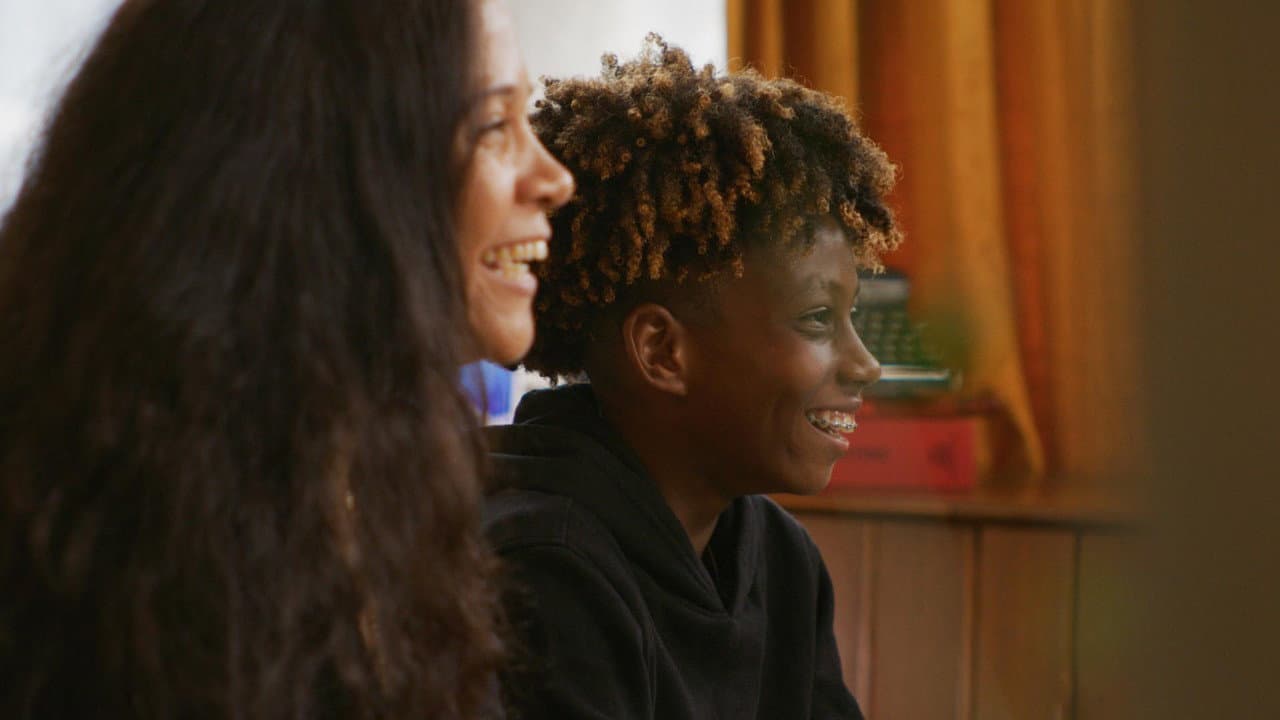
What's striking is how the documentary refuses to abstract away what that means for actual children. These aren't talking points. They're kids with backpacks and anxiety and kitchen tables covered in practice worksheets. The film stays close to that reality — cinematography keeps the frame intimate, focused on faces and hands and test prep materials — while the city around them argues about meritocracy versus diversity in admissions.
Understanding the Documentary's Perspective (and Why It Matters)
Here's something worth knowing upfront: If You Can Make It Here was produced by the Pacific Legal Foundation, a nonprofit law firm that's been directly involved in legal challenges to race-conscious admissions policies. That context shapes everything. This isn't a neutral-party documentary in the traditional sense — it's advocacy filmmaking. But I'd argue that's more honest than a lot of documentaries that claim objectivity while quietly pushing a thesis.
The film doesn't pretend to be something it's not, and that's actually where it finds credibility. Rather than drowning you in talking heads lecturing about policy, it weaves together intimate footage of the three students with interviews from parents and education leaders. The result is something that lets the students' experiences speak for themselves — which, paradoxically, makes the film harder to dismiss as propaganda. Movie OTT editors tracking documentary releases across the political spectrum have noted that this restraint is rare in advocacy work.
The Supreme Court context hangs over the entire film without being spelled out in graphics and explainers (this documentary trusts you to fill in the blanks). Legal battles over race-conscious admissions have reshaped the landscape these kids are entering. The film doesn't litigate those cases directly, but they're ambient context for everything you're watching.
Why This 59-Minute Documentary Hits Harder Than Longer Alternatives
59 minutes. That's it. Lean. Almost aggressively so. No extended talking-head segments that meander into abstraction, no padding — just a tight narrative that doesn't give you a chance to disengage. Hard to say if the brevity was a creative choice or a budget constraint, but either way it works. The film earns its emotional weight through specificity, not duration.
What I keep coming back to is a scene early on where a parent describes preparing their child for an exam that most students never get proper coaching for. You sit with that moment and realize the film is asking you to hold two uncomfortable truths at once: that the test is a genuine meritocratic instrument, and that access to preparation for that test is anything but equal. That's the documentary's real argument — not "the system is broken" but "the system works exactly as designed, and maybe that's the problem."
The film doesn't resolve the question it raises. It's smarter for not trying.
Where to Watch and What's Available Now
If You Can Make It Here is available on major OTT streaming services. The where-to-watch widget at the top of this page has the most current platform breakdown — streaming availability shifts faster than any editorial can keep up with, so that widget is your best real-time source. Movie OTT aggregates that data across platforms so you're not bouncing between five different apps trying to figure out where a title landed.
For a documentary under an hour, streaming is genuinely the right format. One evening sitting. No subscription-hopping required if you check the widget first. Given that the subject matter directly affects teenagers (the film centers on eighth graders navigating a system that shapes their futures), this is the kind of documentary that works as a conversation-starter for families or high school discussion groups.
The Questions People Actually Ask
Should I watch this if I'm not from New York? Yes — the debate over specialized high schools isn't parochial. Every competitive school system in the country is wrestling with the same tension between merit-based selection and diversity. The specifics are New York, but the question is universal.
Does the film feel dated already, or does it still hold up? It just came out. Too early to say. But the legal landscape it's responding to — Supreme Court rulings on admissions, ongoing policy fights — is still very much active. This isn't a historical document yet.
Is it suitable for teenagers? Absolutely — arguably, high school students are the ideal audience. The film raises questions about fairness, preparation, and access that any student in a competitive academic environment will recognize immediately.
How is this different from other education documentaries? Most education docs make arguments about students. This one lets students carry the argument themselves. That's a small difference with large consequences.
Who Should Actually Watch This
If you've ever argued about education policy at a dinner table and walked away feeling like something important got left unsaid — this is the film for you. You won't find resolution here. The debate over New York's specialized high schools isn't settled, and the documentary doesn't try to settle it.
What it does instead is put three real kids in front of you and make you feel the weight of a system that was built by adults and runs on the futures of children. That's the whole thing, really. Find it on Movie OTT's where-to-watch tracker — it'll have the latest platform info. Watching it without thinking about it afterward? That's the harder part.