







The story of Ignatius of Loyola: From battlefield to spiritual revolution
Ignatius of Loyola tells the remarkable true story of a man who traded military ambition for monastic devotion—and in doing so, reshaped Catholic Christianity forever. The film follows the Spanish Basque priest and theologian through the pivotal moments that transformed him from a soldier wounded in battle into the visionary founder of the Society of Jesus. It's a narrative that doesn't shy away from the contradictions embedded in its subject: a man of action thrust into contemplation, a warrior learning to wage spiritual battles instead. The 118-minute drama captures both the physical and psychological toll of this conversion, grounding what could've been a preachy religious biopic in something far more human—messy, doubting, and ultimately compelling.
What makes this particular retelling distinctive is its willingness to treat Ignatius as a figure of genuine complexity rather than a marble saint. We see him bloodied, conflicted, driven by ego as much as faith. The film doesn't sanitize his journey or rush past the years of struggle that preceded his canonization. Instead, it lingers on the cost of transformation, the relationships he sacrificed, and the institutional battles he fought to establish the Jesuit order in 1541 Paris alongside his six companions. That specificity—the names, the dates, the political intrigue—grounds the spiritual arc in something viewers can actually follow.
Behind the making of Ignatius of Loyola: Production and recognition
Ignatius of Loyola was produced by the Jesuit Communications Foundation, an organization with obvious institutional investment in getting the story right. Released in 2016, the film arrived during a broader cultural moment of renewed interest in religious biography—think Silence (2016) or Paul, Apostle of Christ (2018)—though it carved out its own space by focusing on a founder rather than a martyr or doubter. The production itself drew on the saint's own memoirs as source material, lending historical weight to the screenplay's architecture. The runtime of 118 minutes gives the narrative room to breathe, avoiding the rush that plagues many biopics trying to compress a lifetime into 90 minutes.
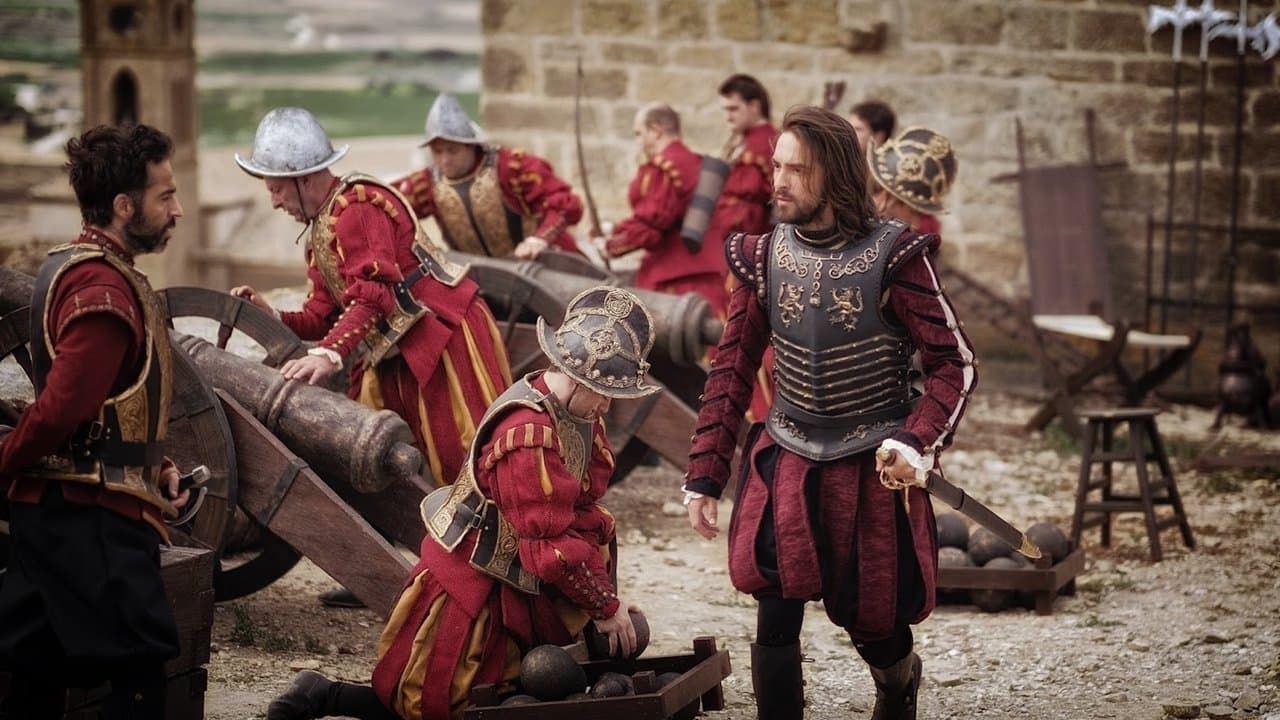
The film garnered six wins and four nominations across various awards bodies, signaling respect within faith-based and international film communities, though mainstream recognition remained modest. An IMDb rating of 5.8 out of 10 (based on 579 votes) reflects a divided audience—some viewers found it spiritually resonant and dramatically satisfying, while others felt it didn't quite transcend the limitations of religious cinema. What's clear is that the film took itself seriously as both history and drama. The production values support this: battle sequences feel lived-in rather than stagey, and the Philippine locations (where portions were filmed) lend authenticity to the wider world Ignatius inhabited. Movie OTT tracks current streaming availability for historical dramas like this across multiple platforms, making it easier to find where you can actually watch it.
What makes Ignatius of Loyola stand out: Performance and thematic depth
Where Ignatius of Loyola succeeds most is in refusing to separate the man from the mission. Too many religious biopics treat spiritual awakening as an on-off switch—the protagonist doubts, then believes, credits roll. This film understands that conversion is messier, that a soldier doesn't become a saint by simply hanging up his sword. The performances anchor this complexity. The lead actor carries the weight of portraying someone caught between two identities, and there's a particular power in scenes where Ignatius is physically healing from his battlefield wound while simultaneously wrestling with what his life should become. Honestly, those quiet moments—watching him reread books, argue theology, struggle with the politics of founding a religious order—matter more than the action sequences, though the film includes those too.
Thematically, the film returns repeatedly to the tension between action and contemplation, between the Ignatius who once craved glory on the battlefield and the Ignatius who'd eventually build an organization famous for its intellectual rigor and missionary work. The Jesuits themselves become a kind of character in the story—not just a backdrop, but an institution born from one man's refusal to choose between serving God and serving the world actively. That's the real drama here. It's not about whether Ignatius will find faith (we know he will—he's a saint). It's about how he'll reconcile his nature with his calling, and whether an order built by a former soldier can survive the politics of the Church. The film doesn't always resolve these tensions neatly, which is precisely why it feels honest.
How to watch Ignatius of Loyola online
Ignatius of Loyola is currently available on major OTT services, and the "Where to Watch" widget at the top of this page will show you exactly which platforms are streaming it in your region right now. Availability shifts frequently—a title might be on one service this month and another next quarter—so checking that widget before you commit to watching is your best bet. If you're a subscriber to any of the major streaming platforms, there's a solid chance you'll find it without paying extra. For those who prefer to own rather than rent, digital purchase options typically remain stable across platforms. Movie OTT keeps that information current, so you're not hunting through three different apps only to discover it's not there. The 118-minute runtime makes it a manageable evening watch, though you'll want to set aside uninterrupted time—this isn't background viewing.
Frequently asked questions
Q: Is Ignatius of Loyola based on a true story?
Yes. The film is based on the memoirs of Saint Ignatius of Loyola, a Spanish Basque priest and theologian who lived from 1491 to 1556. He founded the Society of Jesus (the Jesuits) in Paris in 1541 and was canonized as a saint by the Roman Catholic Church. The core biographical facts—his military service, his wounding, his spiritual conversion, and his founding of the Jesuit order—are historically documented.
Q: Who directed Ignatius of Loyola and what's the production background?
The film was produced by the Jesuit Communications Foundation, released in 2016 with a runtime of 118 minutes. The production drew directly from Ignatius's own written memoirs as source material, lending historical authenticity to the screenplay. The foundation's involvement ensured the story was treated with both spiritual and historical rigor.
Q: What genres does Ignatius of Loyola blend together?
The film combines action, drama, history, romance, and war elements. It's not purely a religious meditation—there are battle sequences, political intrigue, and personal relationships woven throughout. This genre blend helps it appeal to viewers interested in history and biography, not just faith-based cinema.
Q: Where can I watch Ignatius of Loyola right now?
Ignatius of Loyola is available on major OTT streaming services. The "Where to Watch" widget at the top of this page shows current availability in your region, since streaming rights change frequently. Check there before you start searching.
Q: What was the critical reception for Ignatius of Loyola?
The film won six awards and received four nominations, indicating respect within faith-based and international film circles. Its IMDb rating of 5.8 out of 10 reflects a divided audience—some viewers found it spiritually and dramatically compelling, while others felt it didn't fully transcend typical religious biopic conventions.
Final thoughts on Ignatius of Loyola
Ignatius of Loyola won't be for everyone. If you're looking for a straightforward action film, you'll find yourself frustrated by the long stretches of theological debate and introspection. But if you're drawn to historical drama that takes its subject seriously—that treats spiritual transformation as something earned rather than gifted—there's real substance here. The film respects both history and character, refusing easy answers about faith or purpose. It's a portrait of a man caught between two worlds, trying to build something that might outlast him. That's worth your time.