What In Search of Darkness: 1995-1999 is really about
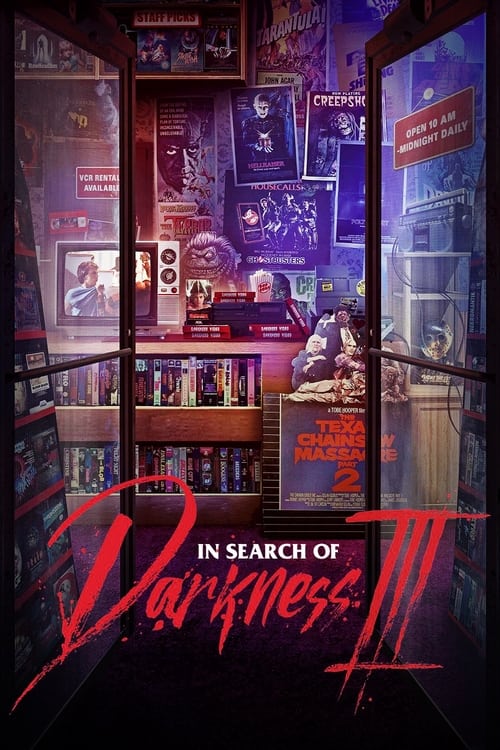
In Search of Darkness: 1995-1999 isn't your typical clip-reel documentary. It's a full-throttle celebration of one of horror's most seismic periods—the five years that fundamentally rewired how we make and consume scary movies. The documentary spans the entire landscape of the era: Wes Craven's Scream, which didn't just revitalize slasher films but made meta-commentary a box-office weapon; the rise of Japanese horror that would eventually flood Western multiplexes; the apocalyptic Y2K anxiety that seeped into every genre; and the scrappy, weird straight-to-video experiments that nobody talks about but everybody watched. What makes this project different is its refusal to pick a lane. It doesn't segregate "prestige" horror from B-movies or international work from American studio fare. Instead, it argues—convincingly—that the '90s horror boom was a genuinely democratic moment, where a VHS tape in a Blockbuster could matter as much as a theatrical release.
Behind the making of In Search of Darkness: 1995-1999
This documentary comes from CreatorVC, the production company behind the original In Search of Darkness franchise, which has built a loyal following among horror enthusiasts since its debut. The 1995-1999 edition is part of an established series, but it stands as the most ambitious installment to date—clocking in at a hefty 384 minutes (that's six and a half hours of pure horror archaeology). The runtime isn't padding; it's necessary breathing room. Covering five years of global cinema requires space, and CreatorVC doesn't rush. The production leans heavily on interviews with filmmakers, critics, and industry figures who were actually in the room when these movies got made, giving the piece an insider credibility that fan-made retrospectives can't touch. While box-office figures and awards data for individual '90s horror films are scattered across decades of records, what matters here is the cumulative cultural weight—and the IMDb rating of 7/10 suggests the documentary itself has resonated with viewers who value substance over sensationalism. The film doesn't chase prestige-doc aesthetics; it's unapologetically a deep dive for people who care about the subject matter.
Why In Search of Darkness: 1995-1999 stands out from other horror retrospectives
What's striking is how the documentary refuses the easy nostalgia trap. It doesn't just say "the '90s were cool"—it actually explains why that period mattered structurally. Scream's arrival in 1996 gets its due, obviously, but the real insight comes when you realize the film didn't exist in a vacuum. It arrived at a moment when audiences were already primed for irony, when horror fans had spent the previous decade getting bored with Jason and Freddy sequels, and when a new generation of filmmakers (Craven among them) wanted to talk back to the genre itself. The documentary captures that energy without being precious about it. There's also serious attention paid to J-Horror's emergence—the slow, methodical creep of films like Ring and Ju-On that would reshape Western horror aesthetics for the next two decades. What I keep coming back to is how the doc handles the in-between stuff: the direct-to-video creature features, the low-budget indie experiments, the forgotten theatrical releases that lasted three weeks. These weren't prestige projects, but they mattered because they kept horror alive in the cultural conversation, even when the big studios weren't paying attention. The performances and storytelling choices across this era weren't uniform—some were genuinely brilliant, others were wonderfully weird—but the documentary doesn't condescend to either camp. It treats them all as part of the same urgent creative moment.
Where to stream In Search of Darkness: 1995-1999 online
In Search of Darkness: 1995-1999 is available across major OTT services, making it easy to carve out a weekend for the full experience. Because this is a 384-minute commitment, you'll probably want to split it across multiple sittings—and streaming platforms give you that flexibility. Movie OTT tracks current availability across all the major services, so you can check the Where-to-Watch widget at the top of this page to see exactly where it's streaming in your region right now. Availability does shift, so it's worth confirming before you settle in, but the documentary's reach across major platforms speaks to how much interest there is in this kind of deep-archive content. Whether you're subscribing to one service or juggling five, you'll likely find it somewhere.
Frequently asked questions
Q: How long is In Search of Darkness: 1995-1999?
The documentary runs 384 minutes—that's six and a half hours total. It's designed to be watched across multiple sittings, so don't feel pressured to binge it all in one go.
Q: Is In Search of Darkness: 1995-1999 part of a series?
Yes, it's part of the In Search of Darkness Collection, an established franchise of horror retrospectives. This edition focuses specifically on the 1995-1999 era, though other installments cover different periods.
Q: What horror films are covered in In Search of Darkness: 1995-1999?
The documentary explores major releases like Scream, J-Horror's emergence with films like Ring and Ju-On, Y2K apocalyptic horror, blockbuster hits, and straight-to-video gems from the period. It's comprehensive without being exhaustive.
Q: Who produced In Search of Darkness: 1995-1999?
CreatorVC produced this documentary as part of their In Search of Darkness franchise. The production company specializes in deep-dive horror retrospectives and archival content.
Q: Where can I watch In Search of Darkness: 1995-1999?
The documentary is available on major OTT streaming services. Check the Where-to-Watch widget on this page to see current availability in your region.
Final thoughts on In Search of Darkness: 1995-1999
If you're a horror fan, this is essential viewing—not because it's a greatest-hits compilation (it's not), but because it actually understands the period it's documenting. The '90s were weird, contradictory, and endlessly creative in horror, and this documentary captures that without irony or condescension. Even if you didn't live through the era, there's something genuinely instructive about watching how filmmakers solved problems with lower budgets, how international cinema influenced Western tastes, and how a single film could shift an entire genre's trajectory. Six and a half hours is a real investment, but it's one worth making. You'll finish it understanding not just what horror was in the '90s, but why it mattered then and continues to shape what we watch today.