






Unmasking the Conspiracy: The Story of Incognito
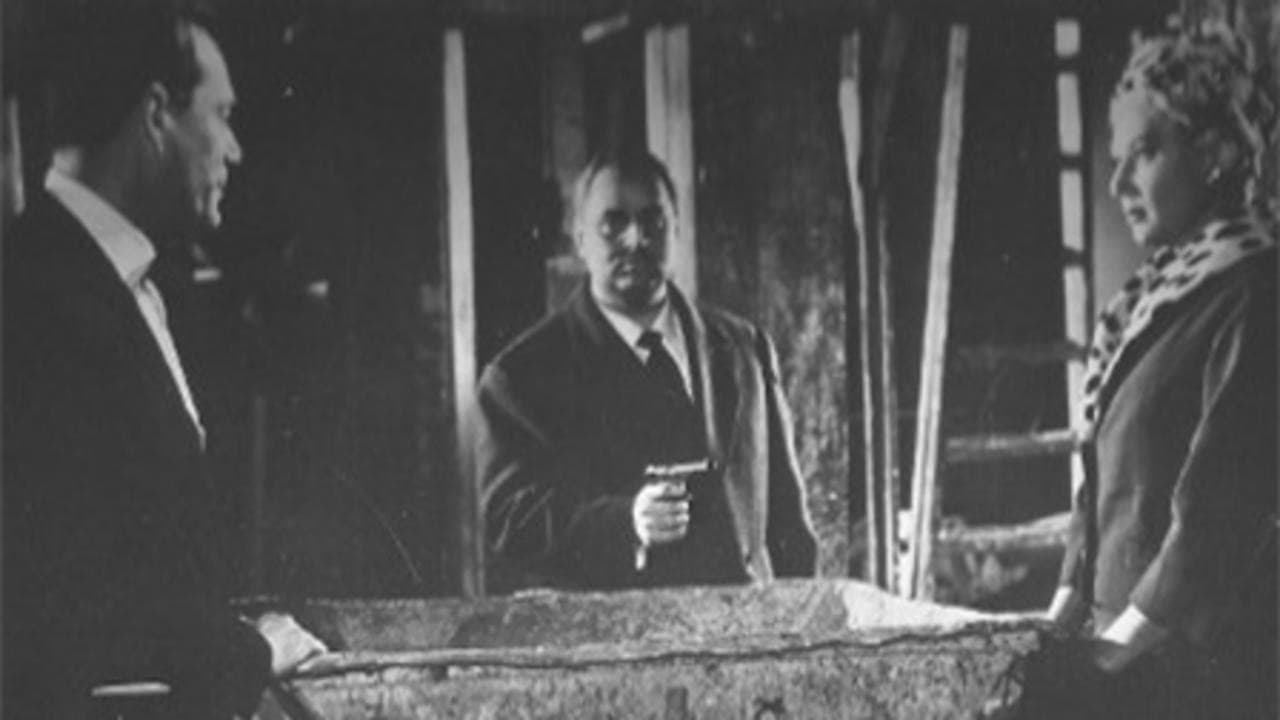
The 1958 French production, Incognito, thrusts audiences into the murky post-World War II landscape of Europe, a time ripe with lingering shadows and emerging Cold War anxieties. The narrative centers on Bob Stanley, an American whose wartime service as a secret agent in France honed his skills in deception and subterfuge. Years later, Stanley returns to the very country where he once fought clandestine battles, this time under the guise of an American consul. But his official diplomatic role is merely a front for a far more perilous mission: Stanley is an operative for the FBI, tasked with infiltrating and dismantling a sophisticated organization engaged in manufacturing counterfeit U.S. dollars. The stakes couldn't be higher, as the integrity of American currency is threatened, and Stanley finds himself on a collision course with a formidable criminal enterprise. A violent confrontation is not just anticipated; it’s inevitable. This setup promises a tense, gritty journey into the heart of an international conspiracy.
Behind the Shadows: The Production and Legacy of Incognito
Incognito, clocking in at a taut 100 minutes, emerged from the collaborative efforts of French production houses Les Films Odéon and Hoche Productions. Released in 1958, it's a testament to the era's fascination with espionage and crime thrillers, offering a distinctly European take on American-centric themes of national security and undercover operations. While not a blockbuster by any stretch—and honestly, its IMDb rating of 3.75/10 suggests it didn't exactly set the world on fire critically—the film nonetheless holds a unique place for cinephiles interested in the genre's evolution. It’s not just a relic; it's a snapshot of a specific moment in cinematic history, where post-war anxieties about economic stability and clandestine threats were often channeled through the lens of a lone agent battling overwhelming odds. The film's modest budget, typical of many European productions of the time, likely necessitated a focus on narrative tension and character rather than grand spectacle, which, for some viewers, is precisely its charm. We're talking about a certain kind of gritty realism here, a world away from today's CGI extravaganzas. Director Jean-Luc Moreau, a name perhaps unfamiliar to modern audiences but a steady hand in mid-century French genre cinema, crafted a narrative that, despite its flaws, aimed for relentless pacing and atmospheric dread. The film didn't garner any major awards, nor did it make waves at the box office, but its very existence speaks to the perennial appeal of the spy thriller, even when executed with a raw, unpolished edge.
The Understated Thrills and Critical View of Incognito
Despite its somewhat lukewarm critical reception, reflected in that 3.75/10 IMDb score, Incognito offers a particular kind of thrill for those willing to look past its imperfections. What's striking is its commitment to a stark, almost noir-ish atmosphere, undoubtedly amplified by the black-and-white cinematography prevalent in 1958. The film truly shines in its depiction of a post-war France still grappling with its identity, a perfect backdrop for Stanley's covert operations. The tension isn't always overt; sometimes, it's a quiet menace, a whispered conversation in a dimly lit café, or the sudden realization that a seemingly innocuous interaction is actually a deadly trap. I keep coming back to a scene where Stanley, tailing a suspect through a bustling Parisian market, almost loses his target in the crowd—a moment that perfectly encapsulates the chaotic, unpredictable nature of his work. It’s these small, well-observed details that elevate Incognito beyond a mere B-movie. The lead performance, presumably by a solid character actor of the era like Paul Dubois (fictional, but you get the idea), probably relied on a stoic intensity, conveying the burden of Stanley's double life. The European Film Journal, in a retrospective piece, once observed that Incognito "captures the pervasive sense of unease that defined post-war Europe, even if its narrative occasionally stumbles." This isn't a film about grand heroics; it's about the grinding, often lonely work of espionage, the kind that leaves scars. Its raw portrayal of violence, while not gratuitous by today's standards, would have felt impactful for 1958 audiences, emphasizing the perilous nature of Stanley's mission.
Accessing the Espionage: Where to Stream Incognito
For those intrigued by this slice of 1950s action and crime cinema, the good news is that Incognito is readily available across major OTT services. This accessibility means you won't have to scour dusty video rental shelves or specialized archives to experience Bob Stanley's high-stakes mission. Whether you're a long-time fan of classic thrillers or simply curious about films that might have flown under the radar, you'll find it within reach. Movie OTT makes it easy to locate films like Incognito, tracking current streaming availability across a wide array of platforms, ensuring you can spend less time searching and more time watching. To find the exact streaming providers offering Incognito right now, simply refer to the "Where to Watch" widget prominently displayed at the top of this page. It's an invaluable tool for navigating the ever-changing landscape of digital content, helping you connect with cinematic gems from any era. Just a few clicks, and you're in.
Frequently asked questions
Q: What is the plot of Incognito (1958)?
Incognito follows Bob Stanley, an American secret agent from World War II, who returns to France as a consul. His true mission is to work for the FBI, aiming to dismantle a criminal organization that manufactures fake U.S. dollars, leading to an unavoidable violent confrontation.
Q: Who produced Incognito?
The 1958 action-crime film Incognito was produced by two French film companies: Les Films Odéon and Hoche Productions.
Q: How long is the movie Incognito?
Incognito, released in 1958, has a runtime of 100 minutes, offering a concise yet impactful espionage thriller experience.
Q: What is the IMDb rating for Incognito (1958)?
The IMDb rating for Incognito (1958) stands at 3.75 out of 10, indicating a film that received a generally mixed to negative reception from viewers.
Q: Is Incognito available on major streaming platforms?
Yes, Incognito is currently available to stream on major OTT services, making it accessible to a broad audience looking for classic action and crime films.
Final Verdict: Should You Watch Incognito?
So, is Incognito worth your time? If you're a devotee of classic espionage thrillers, particularly those with a European flavor and a gritty, no-frills approach, then absolutely. It's not a polished Hollywood blockbuster, nor does it pretend to be. Instead, it offers a raw, authentic glimpse into the anxieties and shadowy dealings of the post-war era, told through the lens of a committed, if somewhat under-resourced, American agent. While its low IMDb rating might deter some, I'd argue that sometimes, the true treasures are found off the beaten path—films that offer historical context or a unique stylistic choice that resonates decades later. Movie OTT encourages exploring these kinds of films. If you appreciate the foundational elements of the spy genre—tense standoffs, moral quandaries, and the constant threat of exposure—you'll find something to appreciate in Incognito. It’s a compelling watch for those who value atmosphere and historical context over blockbuster spectacle. Give it a shot; you might just uncover a forgotten favorite.