





The story of Indian 2: Zero Tolerance
Indian 2: Zero Tolerance picks up years after the events of the 1996 original, finding Senapathy—the freedom fighter turned vigilante played by Kamal Haasan—returning from abroad to his homeland. Corruption has metastasized across the country, and a group of idealistic youngsters have caught his attention through social media, essentially summoning him back to finish what he started. The film's tagline, "Older. Wiser. Deadlier," telegraphs the central tension: an aging man stepping back into a world that's grown more complex, more connected, and arguably more resistant to the kind of brutal justice he once dispensed. What unfolds is a revenge narrative wrapped in social commentary—a meditation on whether one man's vigilantism can actually matter in an age of viral outrage and institutional rot.
Behind the making of Indian 2: Zero Tolerance
Director Shankar—known for his sprawling, technically ambitious action films—returned to helm this sequel nearly three decades after the original Indian changed the landscape of Tamil cinema. Co-writing with B. Jeyamohan, Kabilan Vairamuthu, and Lakshmi Saravana Kumar, Shankar faced the unenviable task of reviving a franchise that had become the stuff of legend. Lyca Productions and Red Giant Movies jointly backed the project, signaling serious financial commitment to what's essentially a legacy sequel in a market increasingly skeptical of such ventures.
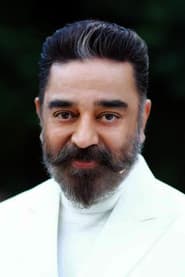
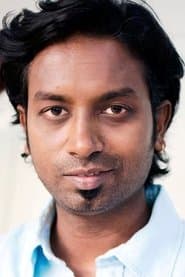
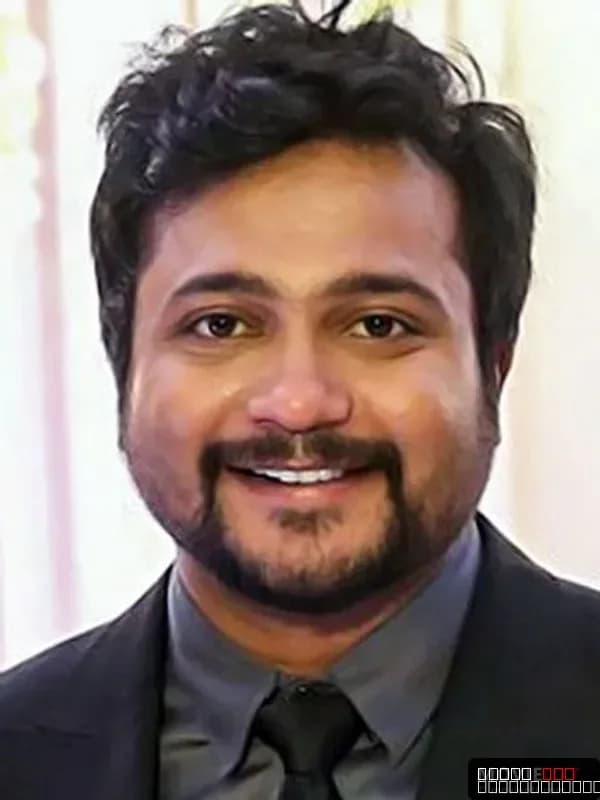
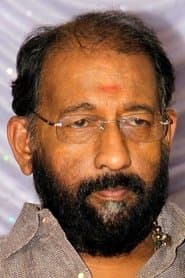
The ensemble cast reflects Shankar's confidence in the material: Siddharth, S. J. Suryah, Rakul Preet Singh, Priya Bhavani Shankar, Vivek, Samuthirakani, and Bobby Simha anchor the narrative around Haasan's central performance. Nedumudi Venu, Delhi Ganesh, and Jagan round out a roster that reads like a who's who of Tamil cinema. Even Kajal Aggarwal and Kalidas Jayaram signed on for cameos—a vote of confidence from actors at the peak of their careers. The film clocks in at 178 minutes, a runtime that suggests Shankar wasn't interested in trimming the fat or rushing the story.
On streaming platforms tracked by Movie OTT, the film arrived in 2024 to mixed commercial reception. The IMDb rating of 3.089/10 tells you something about how audiences responded—or didn't—to what was positioned as a major event film. Box office numbers were respectable but didn't match the hype surrounding a Kamal Haasan comeback, and critical reception proved decidedly fractious.
What makes Indian 2: Zero Tolerance stand out
Here's the thing: what's striking about Indian 2 isn't necessarily what works, but what it tries to do. Shankar's direction remains visually confident—the action sequences are mounted with the kind of scale and precision you'd expect from a filmmaker of his stature. The cinematography captures both the grandeur of Senapathy's crusade and the mundane corruption of everyday bureaucracy. Kamal Haasan, despite his age, commits fully to the physicality the role demands, and there's something genuinely moving about watching an actor in his seventies throw himself into fight choreography.
But here's where it gets complicated. The social media angle—youngsters rallying around Senapathy's cause through Instagram and Twitter—feels both timely and oddly dated, as if Shankar was working from a 2021 script in a 2024 world. The film wants to say something about institutional corruption, about how individual acts of violence can't actually reform systems, about the gap between viral justice and real change. It's ambitious thematically, even if the execution doesn't always land. What's missing is subtlety. Corruption isn't shown as a web of incentives and complicity; it's shown as something that can be beaten out of people by a man with a cane.
The supporting cast does what it can with material that often feels like exposition wrapped in dialogue. Siddharth and S. J. Suryah carry much of the emotional weight, though they're frequently sidelined in favor of Haasan's spotlight. Rakul Preet Singh's role is underwritten—she's present but rarely given a moment to breathe or surprise. What's striking is how the film's 178-minute runtime somehow still feels rushed, as if Shankar was cutting between sequences rather than letting them develop.
How to watch Indian 2: Zero Tolerance online
Indian 2: Zero Tolerance is currently available on major OTT services. Rather than hunting across multiple platforms, you can check the Where to Watch widget at the top of this page to see exactly which streaming service has it in your region right now. Availability shifts frequently, and Movie OTT tracks current streaming availability across Netflix, Prime Video, Hotstar, and other major platforms, so you'll always know where to find it without the guesswork. The 178-minute runtime means you'll want to block out a solid chunk of time—this isn't a film you can casually drift through while scrolling your phone.
Frequently asked questions
Q: Is Indian 2: Zero Tolerance a sequel to the original Indian?
Yes, it's a direct sequel to the 1996 film of the same name. Kamal Haasan reprises his role as Senapathy, and the story picks up years after the events of the original, with the vigilante returning from abroad to fight corruption once more.
Q: Who directed Indian 2: Zero Tolerance?
Director Shankar, known for technically ambitious Tamil action films, returned to helm the sequel. He co-wrote the script with B. Jeyamohan, Kabilan Vairamuthu, and Lakshmi Saravana Kumar.
Q: How long is Indian 2: Zero Tolerance?
The film runs 178 minutes—nearly three hours—so plan accordingly if you're streaming it at home.
Q: What's the IMDb rating for Indian 2: Zero Tolerance?
The film has an IMDb rating of 3.089/10, suggesting mixed-to-negative audience reception despite its high-profile cast and director.
Q: What's the premise of Indian 2: Zero Tolerance?
Senapathy, an aging freedom fighter turned vigilante, returns to his homeland after a group of idealistic youngsters attract his attention through social media. Corruption has spread across the country, and he's drawn back to finish what he started.
Final thoughts on Indian 2: Zero Tolerance
Indian 2: Zero Tolerance is a film caught between ambition and execution. It's worth watching if you're curious about legacy sequels, Kamal Haasan's commitment to action at an advanced age, or Shankar's approach to tackling institutional corruption through spectacle. But don't expect the lightning-in-a-bottle magic of the 1996 original. What you'll get instead is a well-intentioned, handsomely mounted film that bites off more than it can chew—and that's not always a bad thing. Stream it if the premise intrigues you; just manage your expectations accordingly.