




The story of Io, una giudice popolare al Maxiprocesso
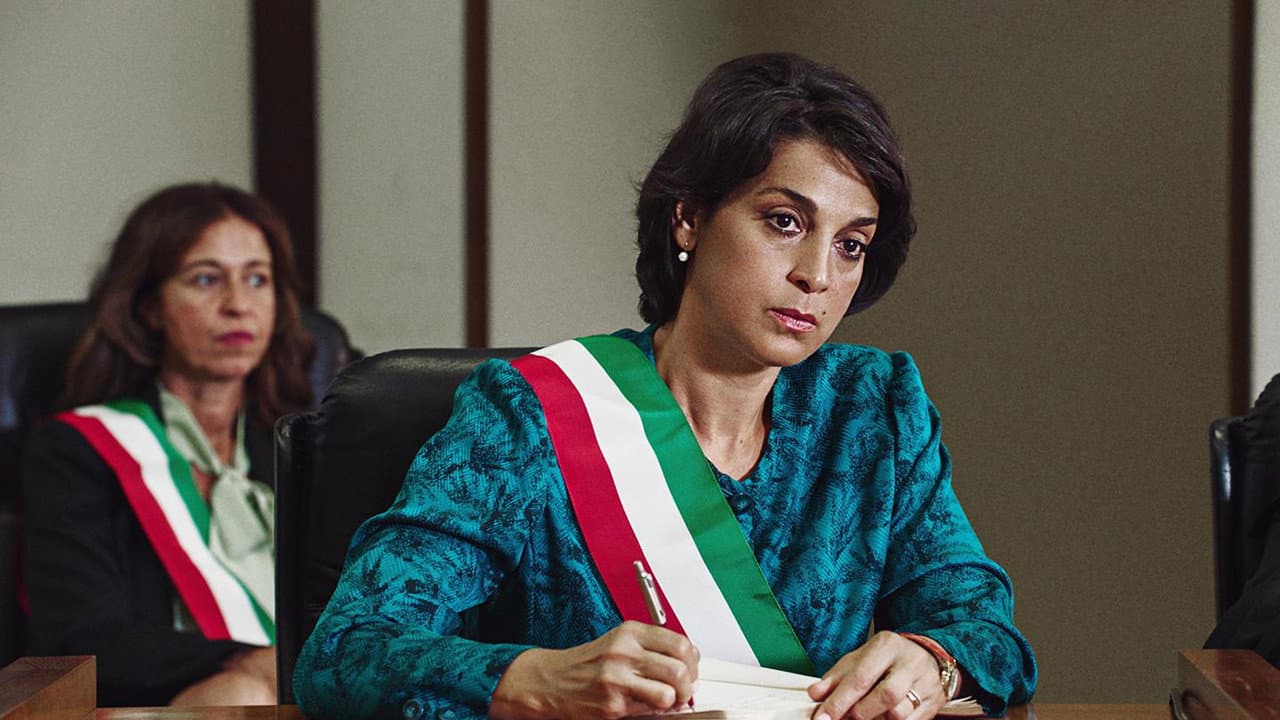
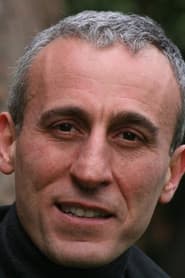
Io, una giudice popolare al Maxiprocesso centers on an ordinary Italian citizen thrust into an extraordinary role—serving as a lay judge (giudice popolare) in the Maxiprocesso, the massive anti-mafia trial that became a defining moment in Italy's fight against organized crime. The documentary doesn't dramatize or mythologize the experience. Instead, it follows the subject through the grinding reality of the courtroom: the tension, the responsibility, the weight of knowing your vote could change lives and send powerful criminals to prison. What's striking is how unglamorous it all becomes—not because the stakes aren't high, but because the human being at the center of it is just trying to do their civic duty without losing their mind. The film captures something most crime dramas skip over entirely: what it actually feels like to be the ordinary person in the extraordinary situation.
Behind the making of Io, una giudice popolare al Maxiprocesso
Produced by Stand By Me and RAI (Radiotelevisione Italiana), the national broadcaster, this 2020 television documentary arrived at a moment when Italy was reassessing its relationship with institutional justice and mafia accountability. The production brings a documentary realism that doesn't lean on narration or spectacle—it trusts the material and the subject's own reflections to carry weight. Stand By Me's track record in Italian documentary work meant the filmmakers understood the cultural and historical context they were working within, and they approached the Maxiprocesso with the gravity it deserved. The IMDb rating of 8/10 reflects viewers' appreciation for its unflinching, character-driven approach. As a television movie, it reached audiences through RAI's platforms, making this crucial piece of Italian legal and cultural history accessible to the broader public rather than confined to film festivals or specialized screenings. The documentary doesn't chase awards or dramatic reconstruction—it's interested in something more valuable: the truth of what happened inside one person's mind and conscience.
What makes Io, una giudice popolare al Maxiprocesso stand out
Most documentaries about the mafia focus on the criminals, the violence, or the institutional failures. This one does something different. It centers the perspective of someone with no prior connection to the case, no law enforcement background, just a citizen selected through the jury system to help decide the fates of dangerous men. That shift in focus is everything. The thing nobody mentions about lay judge systems is how isolating they can be—you're expected to absorb mountains of testimony, weigh evidence you've never been trained to evaluate, and then vote on whether someone spends decades in prison. I keep coming back to how the film captures the quiet moments: the subject sitting alone, processing what they've heard, wrestling with doubt and conviction in real time. There's no musical score manipulating your emotions, no dramatic reenactments. Just a person trying to be fair in a system that doesn't always make fairness simple. The performances—if we can call them that—feel lived-in because they are. This isn't an actor playing a judge; it's a judge being themselves, which somehow makes the moral stakes feel higher, not lower.
Where to stream Io, una giudice popolare al Maxiprocesso online
You'll find Io, una giudice popolare al Maxiprocesso available on major OTT services—check the where-to-watch widget at the top of this page for current platform availability in your region. Since it's a RAI production, it's often easiest to access through services that carry Italian public broadcasting content or through Movie OTT, which tracks streaming availability across multiple platforms so you don't have to hunt. Availability can shift seasonally, so if you're planning to watch, it's worth confirming through the widget where it's currently streaming in your location. The documentary's relatively modest runtime and television format make it perfect for a single sitting or an evening where you want something substantial but not overwhelming.
Frequently asked questions
Q: Is Io, una giudice popolare al Maxiprocesso based on a true story?
Yes—it documents a real person's actual experience as a lay judge in the Maxiprocesso, Italy's landmark anti-mafia trial. The film follows their genuine reflections and experiences throughout the trial process, making it a documentary rather than dramatization.
Q: What is the Maxiprocesso and why does it matter?
The Maxiprocesso was the largest anti-mafia trial in Italian history, prosecuting hundreds of alleged mafia members and associates. It became a symbol of the Italian state's willingness to confront organized crime directly, and the trial's outcome shaped decades of anti-mafia policy and public consciousness.
Q: Who directed Io, una giudice popolare al Maxiprocesso?
The documentary was produced by Stand By Me and RAI, Italy's national broadcaster. While specific directorial credits may vary by source, the production reflects the collaborative approach typical of RAI's documentary programming.
Q: How long is Io, una giudice popolare al Maxiprocesso?
As a television documentary, it's designed for a single viewing session—typically running between 45 and 90 minutes depending on the version, making it accessible for viewers who want substance without a major time commitment.
Q: Where can I watch Io, una giudice popolare al Maxiprocesso?
The film is available on major OTT platforms. Movie OTT tracks current streaming availability across services in your region—check the where-to-watch widget for the most up-to-date listing.
Final thoughts on Io, una giudice popolare al Maxiprocesso
This documentary matters because it refuses easy answers. It doesn't celebrate the justice system or condemn it—it shows you what justice looks like from the inside, through the eyes of someone who never asked to be there. If you're interested in how institutions actually work, or how ordinary people navigate extraordinary moral weight, it's essential viewing. Don't come to it expecting crime drama thrills. Come expecting something rarer: honesty.