


The story of Isle of Dogs and its dystopian premise
Isle of Dogs is Wes Anderson's 2018 stop-motion adventure that trades the English countryside for a decidedly bleaker landscape. The film is set in the fictional Japanese city of Megasaki, where Mayor Kenji Kobayashi has made a sweeping decision: all dogs must be banished to Trash Island due to a spreading canine influenza pandemic. When Kobayashi's nephew Atari discovers his own dog, Spots, has been exiled, he doesn't accept the decree lying down. Instead, the determined 12-year-old sets off on an epic journey across the garbage-strewn island to find his beloved companion, aided by a pack of scrappy strays—led by a cynical dog named Chief—who become unlikely allies in his quest. It's a premise that sounds absurd on the surface, which is precisely the point. Anderson uses this high-concept setup to explore themes of prejudice, political corruption, and what we're willing to sacrifice in the name of fear.
Behind the making of Isle of Dogs and its production legacy
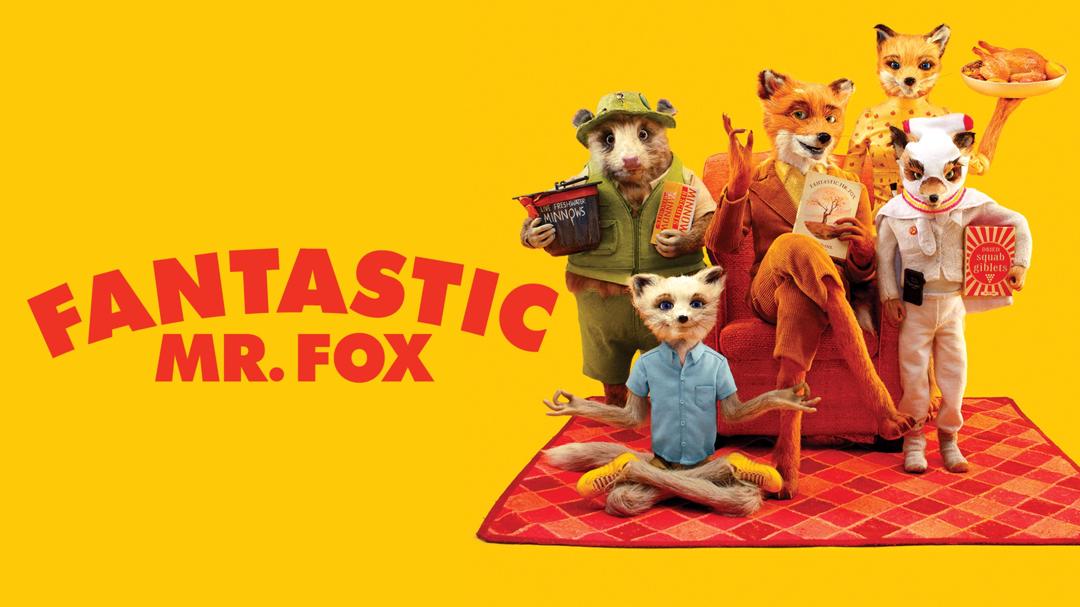
Isle of Dogs marks Anderson's second venture into stop-motion animation, following his 2009 film Fantastic Mr. Fox. This time, he collaborated with Studio Babelsberg and Indian Paintbrush, alongside his own production company American Empirical Pictures, to create a film that required painstaking attention to detail across 101 minutes of runtime. The ensemble voice cast reads like a who's-who of contemporary cinema: Bryan Cranston, Edward Norton, Bill Murray, Jeff Goldblum, Bob Balaban, and Kunichi Nomura anchor the dog pack, while Koyu Rankin voices young Atari. Scarlett Johansson, Tilda Swinton, Ken Watanabe, and even Yoko Ono round out a staggering roster of talent—though the film also benefits from Courtney B. Vance's narration, which guides viewers through Megasaki's dystopian landscape. As an American-German-British co-production, the film carries international DNA, though Anderson's distinctive visual fingerprint remains unmistakable throughout. The project wasn't a box-office juggernaut—it earned around $30 million globally against its reported $65 million budget—but it garnered significant awards recognition, including nominations at major ceremonies and critical appreciation from festivals worldwide. Movie OTT tracks where films like this one stream, making it easier to find Anderson's work across multiple platforms.
What makes Isle of Dogs stand out among animated films
Here's what's striking about Isle of Dogs: it refuses to be a straightforward children's film, even though it's animated and features dogs as protagonists. Anderson's visual language—those symmetrical compositions, pastel color palettes, and meticulous production design—has never been more purposeful. The stop-motion animation itself becomes a metaphor for control, for the careful ordering of a world that's actually quite chaotic underneath. The performances are what anchor everything, though. Bryan Cranston's Chief is a cynical, world-weary stray who doesn't believe in the boy's mission at first—you can hear the exhaustion in his voice, the decades of disappointment. Edward Norton's Rex is earnest to the point of absurdity, a loyal dog who speaks in motivational-poster platitudes that shouldn't work but absolutely do. Bill Murray's Bah is melancholic in a way that's hard to articulate; there's something genuinely sad lurking beneath the comedy.
What's also worth noting is that the film doesn't shy away from its satirical edge. The bureaucrats who enforce the dog ban aren't cartoonishly evil—they're just people following orders, which somehow makes it worse. Anderson's critique of institutional cruelty arrives quietly, without speeches or heavy-handed moralizing. The thing nobody mentions is that this film works best if you're willing to sit with its contradictions: it's funny and sad, beautiful and grotesque, childlike and deeply cynical. Critics gave it a 7.8/10 on IMDb, and while some viewers felt it didn't quite reach the heights of Fantastic Mr. Fox, others found it to be Anderson's most emotionally mature work to date. The film asks hard questions about loyalty, prejudice, and whether love can survive institutional indifference—all while dogs wear little costumes and ride in homemade flying machines.
Where to stream Isle of Dogs online
Isle of Dogs is currently available to stream on Max, making it accessible for anyone with a subscription to that platform. If you're tracking down where to watch this film and other Anderson works, the "Where to Watch" widget at the top of this page shows you all current streaming options. Movie OTT keeps these listings updated regularly, so you can check back if the film moves to another service—streaming rights shift constantly, and what's on Max today might migrate elsewhere next month. For now, Max is your destination for this visually stunning adventure.
Frequently asked questions
Q: Who directed Isle of Dogs?
Wes Anderson directed and wrote Isle of Dogs. It's his second stop-motion animated film, following Fantastic Mr. Fox in 2009.
Q: Is Isle of Dogs appropriate for children?
While it's animated and features dogs, Isle of Dogs is rated PG and skews toward older kids and adults. It contains some dark themes, political satire, and moments of peril that might not suit very young viewers.
Q: How long is Isle of Dogs?
The film runs 101 minutes, making it a relatively compact feature that doesn't overstay its welcome despite its ambitious scope.
Q: Is Isle of Dogs based on a true story?
No, it's entirely fictional. The city of Megasaki and the dog exile plot are Anderson's original creations, though the film draws on real-world anxieties about scapegoating and political fear-mongering.
Q: What's the runtime and production quality like?
Every frame of Isle of Dogs is meticulously crafted stop-motion animation. The attention to detail is extraordinary—from the texture of the trash on Trash Island to the miniature costumes the dogs wear. It's the kind of film that rewards repeat viewings because you'll catch new visual gags and design flourishes each time.
Final thoughts on Isle of Dogs
Isle of Dogs won't be for everyone. If you're looking for a straightforward, heartwarming dog story, you might find Anderson's approach too stylized, too detached, too willing to undercut sentiment with irony. But if you're drawn to filmmakers who trust their audience to navigate complexity—who believe animation can be as sophisticated as live-action cinema—then this film deserves your time. It's a film about love that's almost afraid to admit it, wrapped in gorgeous production design and delivered with a wry smile. That's Anderson at his most essential.