The story of It's Kind of a Funny Story
Craig Gilner is sixteen and drowning. Not literally—but the weight of depression, school pressure, and the suffocating expectations of New York City life have him convinced that checking himself into a psychiatric hospital is his only option. What he doesn't expect is to end up on the adult ward instead of the teen one, surrounded by people whose struggles make his own feel simultaneously trivial and completely valid. It's Kind of a Funny Story follows Craig over five days as he navigates group therapy sessions, midnight conversations, and an unlikely friendship with a charismatic fellow patient named Bobby (who happens to be a charming disaster in his own right). The film doesn't shy away from the darkness—depression is real, suicide is real, medication is real—but it refuses to let that darkness be the whole story. Sometimes what's in your head isn't as crazy as you think, and sometimes the people we meet in our darkest moments become exactly who we need.
How It's Kind of a Funny Story came together
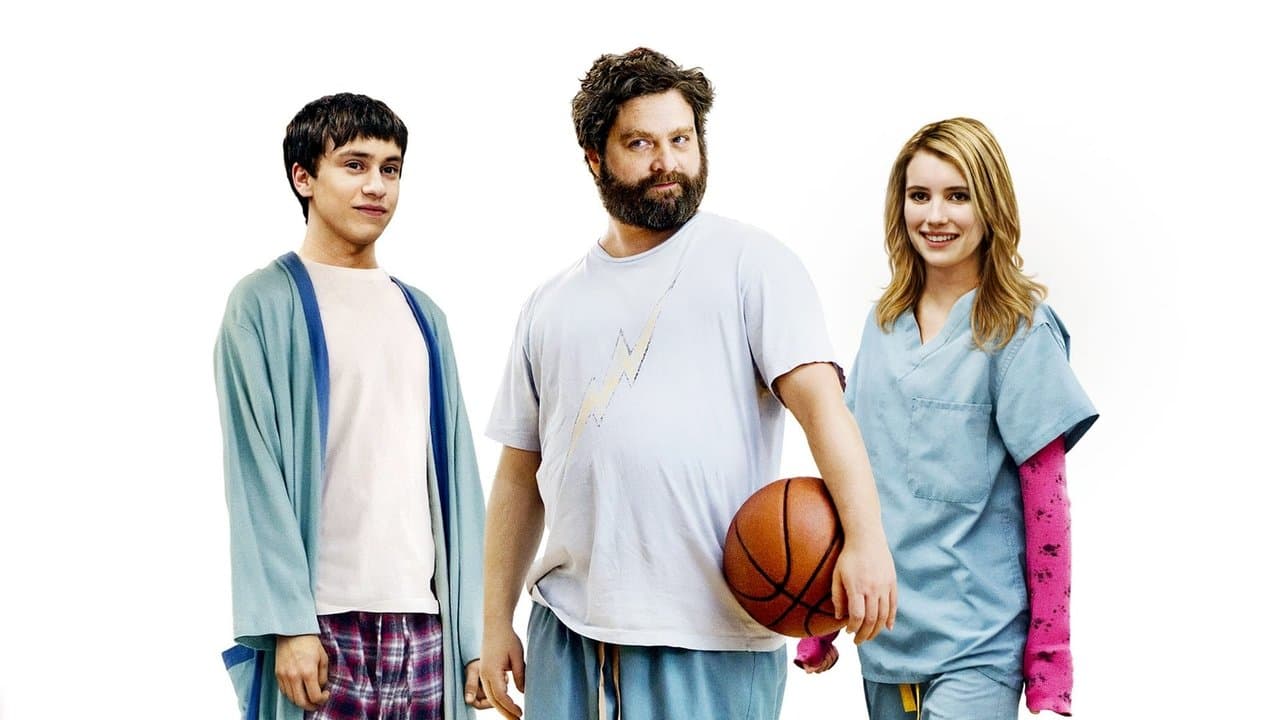
Directors Anna Boden and Ryan Fleck adapted Ned Vizzini's 2006 young adult novel for Focus Features, bringing their distinctive visual sensibility and emotional intelligence to what could've been a heavy-handed afterschool special. The casting is where you see the care: Keir Gilchrist, then best known for television work, carries the film with a vulnerability that feels earned rather than performed. Zach Galifianakis—pre-Hangover explosion, which made his timing here particularly sharp—steals every scene he's in as Bobby, channeling manic energy without ever making the character a punchline. Emma Roberts plays Noelle, a girl Craig meets in the hospital, with a lightness that grounds the romance subplot, and Viola Davis brings gravitas to the role of Dr. Madden, the psychiatrist who actually listens. The film earned a Metascore of 62, indicating mixed critical reception, though it found its audience on home video and streaming platforms. Released October 8, 2010, it didn't set the box office on fire—but it didn't need to. This is the kind of film that grows in reputation over time, especially as conversations around mental health have shifted.
What makes It's Kind of a Funny Story stand out
The thing that strikes you about this film is how it refuses easy answers. Craig doesn't get fixed in five days. He doesn't have some magical epiphany that erases depression. What he gets instead—what the film gives him, and us—is permission to be a mess and still be worth saving. Boden and Fleck have a gift for capturing the comedy in genuine pain. There's a scene early on where Craig tries to explain his suicidal ideation to his parents, and it's funny and heartbreaking simultaneously, the kind of moment that makes you uncomfortable in the best way. The performances don't wink at the camera or play for cheap laughs. Gilchrist's Craig is awkward and self-aware in that distinctly teenage way, and his interactions with Galifianakis crackle with real chemistry—they feel like two people actually talking, not actors hitting marks. What's striking is how the film treats the hospital not as a punishment or a failure, but as a place where honest conversations happen. Group therapy could've been maudlin; instead it's messy and real and occasionally ridiculous, which is exactly what therapy actually is. The romance subplot works because it's not the point—it's just something that happens when two people connect, and the film knows the difference between a love story and a moment of connection.
Where to stream It's Kind of a Funny Story online
It's Kind of a Funny Story is available on major streaming platforms, and Movie OTT tracks current availability across services so you can find exactly where it's streaming in your region right now. The film's accessibility on multiple platforms means you can watch it whenever you need it—and honestly, there are nights when everyone needs a film that gets depression without being depressing about it. Whether you're streaming through a subscription service or renting on demand, the film holds up beautifully on smaller screens. The indie sensibility of Boden and Fleck's direction translates well to home viewing, and the intimate conversations between characters benefit from that closeness. Check the Where to Watch widget at the top of this page to see all your current options.
Frequently asked questions
Q: Is It's Kind of a Funny Story based on a true story?
No, but it's based on Ned Vizzini's 2006 novel of the same name, which was inspired by Vizzini's own experiences with depression and hospitalization as a teenager. The film adapts the novel fairly faithfully while adding its own visual flair.
Q: Who directed It's Kind of a Funny Story?
Anna Boden and Ryan Fleck co-directed the film. They're known for their intimate, character-driven approach to filmmaking, and they brought that same sensibility to this adaptation.
Q: What's the runtime of It's Kind of a Funny Story?
The film runs 102 minutes, which gives it enough time to breathe and let scenes play out naturally without feeling rushed or bloated.
Q: Is It's Kind of a Funny Story appropriate for teens?
The film deals with depression and suicide, so it's not light viewing—but it's rated PG-13 and handles these topics with maturity and hope. Teens who are struggling especially might find it validating rather than triggering, though parental discretion is always wise.
Q: Why is It's Kind of a Funny Story rated 6.948 on IMDb?
The film received mixed critical reviews when it came out, which sometimes affects initial ratings. However, it's gained appreciation over time as audiences have discovered it through streaming, and conversations around mental health have evolved.
Final thoughts on It's Kind of a Funny Story
It's Kind of a Funny Story deserves a spot in your rotation if you're looking for something that tackles serious subject matter without becoming a slog. It's funny, it's sad, it's occasionally awkward in that perfect way that real life is. Gilchrist and Galifianakis create something electric together, and the film never loses sight of its central truth: that asking for help isn't weakness, it's survival. Ten years later, it still feels necessary.