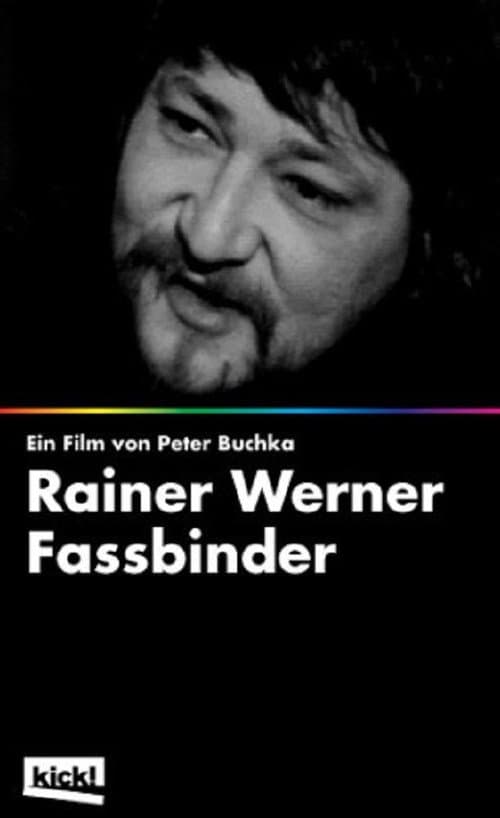
The Story of It's No Good, Living in a Human Body
It's No Good, Living in a Human Body is a 1995 documentary that refuses to look away from what Rainer Werner Fassbinder spent his entire career examining: the wreckage left behind when love becomes a weapon. Rather than a traditional biography or career retrospective, this 55-minute film operates as a thematic dissection—a surgical investigation into four interconnected obsessions that appear and reappear across Fassbinder's filmography like a recurring nightmare. The film traces how exploitation, mutual repression, crushing loneliness, and the sudden, explosive violence that erupts from powerlessness form the skeleton of nearly everything he made. It's not a comfortable watch. The documentary doesn't soften these edges or offer redemptive arcs. Instead, it sits with the darkness, the way Fassbinder himself did.
Behind the Making of It's No Good, Living in a Human Body
This documentary emerged in 1995, well after Fassbinder's death in 1982 at the age of 37, making it both a critical reassessment and an act of archival preservation. The film's construction reveals something crucial about how Fassbinder's work operates—not as isolated masterpieces, but as variations on a single, obsessive inquiry into human cruelty and desire. By organizing the material thematically rather than chronologically, the filmmakers sidestep the typical biographical trap of "early period, middle period, late period." Instead, they present Fassbinder's logic: the way he combined these darker elements into what the documentary calls "a harmonious unity" while simultaneously crafting a deeply personal self-portrait. The documentary draws from Fassbinder's most celebrated works—Fear Eats the Soul, The Marriage of Maria Braun, and Effi Briest among them—using clips and analysis to show how his "radical use of rigorous subjectivity" paradoxically allowed him to achieve a kind of objective truth about human nature. With an IMDb rating of 6.5/10, the film has found a modest but devoted audience among Fassbinder scholars and cinephiles willing to sit with uncomfortable material.
What Makes It's No Good, Living in a Human Body Stand Out
Here's what's striking about this documentary: it doesn't mythologize Fassbinder as a tortured genius or reduce him to a collection of biographical anecdotes. Instead, it takes him seriously as a thinker—someone whose genius lay not in aesthetic innovation alone, but in his willingness to emphasize the negative, the darker aspects of things that most filmmakers shy away from. The documentary argues that Fassbinder's greatness emerged precisely from this refusal to look away, from his commitment to showing how love becomes entrapment, how intimacy breeds repression, how powerlessness curdles into violence. What's remarkable is how the film demonstrates this isn't cynicism for its own sake. Rather, it's a form of clarity. By refusing to soften his vision or offer false comfort, Fassbinder achieved something rarer—a kind of brutal honesty about the human condition. The documentary doesn't just talk about these films; it shows how they work, how the formal choices (the camera placement, the editing, the performances) reinforce these thematic obsessions. You can't watch Fear Eats the Soul the same way after understanding how Fassbinder uses domestic spaces as prisons, or how he frames his characters' faces to expose their internal capitulation. The documentary's analysis suggests that all of Fassbinder's films function as self-portraits in disguise—not because they're autobiographical in the conventional sense, but because they're expressions of a singular, uncompromising vision.
Where to Stream It's No Good, Living in a Human Body Online
It's No Good, Living in a Human Body is available on major OTT services, making it far more accessible than it might have been even a decade ago. Streaming aggregator Movie OTT tracks current availability across platforms, so you can find exactly where it's streaming in your region right now. Because it's a 55-minute documentary rather than a feature-length film, it's an easier commitment than diving into a full Fassbinder retrospective—though it'll absolutely make you want to do that afterward. The film works best as a primer, a guided tour through Fassbinder's thematic obsessions that'll deepen your appreciation when you return to his actual films. Check the Where to Watch widget at the top of this page to see which streaming service has it available today.
Frequently asked questions
Q: Who directed It's No Good, Living in a Human Body?
The documentary was made in 1995 as a critical examination of Rainer Werner Fassbinder's filmography and themes. It functions as a thematic analysis rather than a traditional biographical film.
Q: What is the runtime of It's No Good, Living in a Human Body?
The documentary runs 55 minutes, making it a focused, manageable introduction to Fassbinder's recurring thematic concerns.
Q: Is It's No Good, Living in a Human Body a good starting point for understanding Fassbinder?
Yes—it's designed to map out Fassbinder's four major thematic areas (exploitation, repression, loneliness, and violence) before you watch his feature films like Fear Eats the Soul or The Marriage of Maria Braun.
Q: What films are discussed in It's No Good, Living in a Human Body?
The documentary examines Fassbinder's most celebrated works, including Fear Eats the Soul, The Marriage of Maria Braun, and Effi Briest, using them to illustrate his thematic obsessions.
Q: Where can I watch It's No Good, Living in a Human Body?
The film is currently available on major OTT streaming services. Use the Where to Watch widget on this page to find which platform has it in your region.
Final Thoughts on It's No Good, Living in a Human Body
It's No Good, Living in a Human Body deserves a place in any serious film lover's watchlist—not because it's entertaining in the conventional sense, but because it's clarifying. It won't make you feel better about the human condition. It'll do something more valuable: it'll help you understand why Fassbinder mattered, why his refusal to sentimentalize human relationships still feels radical four decades later. Watch it, then watch Fear Eats the Soul. Then come back to this documentary and watch it again. The second time, everything will click differently.