









The story of Japanese Story unfolds across desert sand and cultural distance
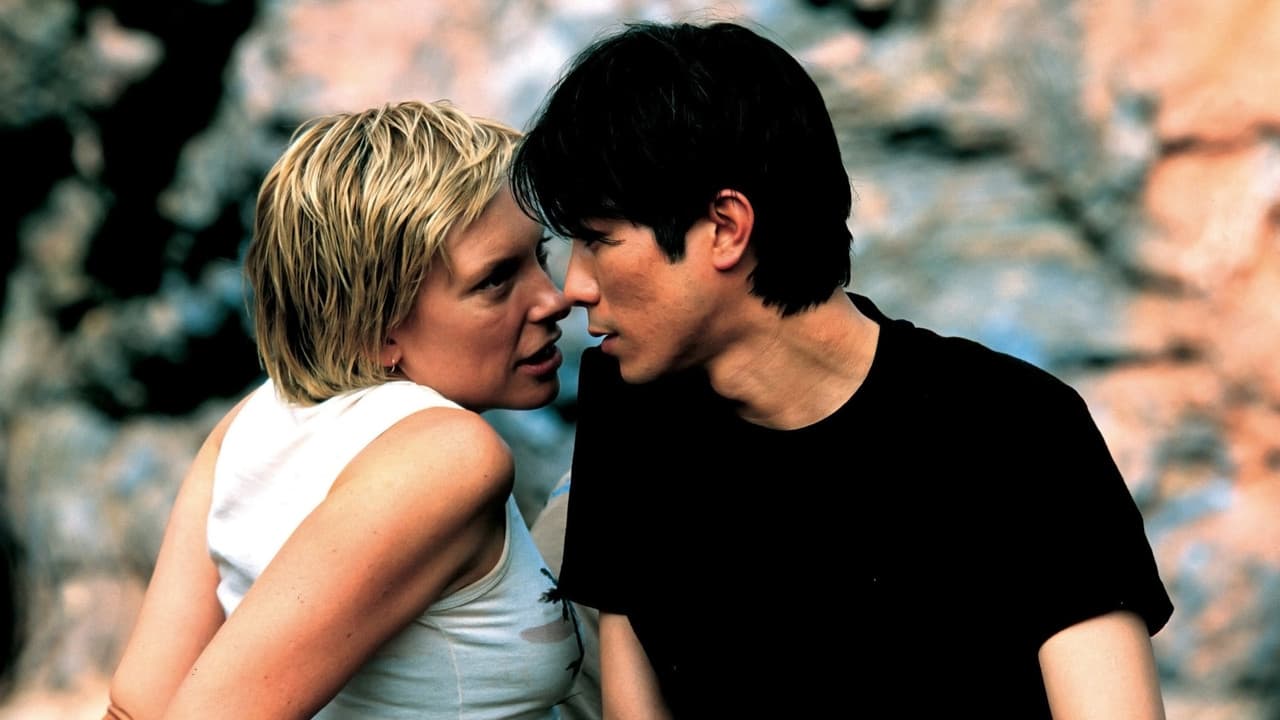
Japanese Story begins with friction. Sandy is a geologist leading a field expedition into Australia's Pilbara desert—one of Earth's most unforgiving landscapes. She's competent, direct, and wholly unprepared for Hiromitsu, a Japanese businessman accompanying her on what should be a straightforward research trip. From the moment they meet, they grate on each other. He finds her rough; she finds him inscrutable and arrogant. Their mutual disdain is palpable, almost performative in its intensity. Then the desert decides their fate for them. Stranded in one of the planet's most remote regions, cut off from rescue and forced into proximity, Sandy and Hiromitsu have no choice but to reckon with each other—and with themselves. What emerges isn't a neat reconciliation but something messier, more human: a genuine connection forged through necessity, vulnerability, and the slow recognition that the person driving you mad might also be the only person who understands what you're going through.
Behind the making of Japanese Story and its Australian film legacy
Japanese Story arrived in 2003 as a distinctly Australian production, backed by Fortissimo Films, Gecko Films, and the Australian Film Finance Corporation. Director Sue Brooks brought a sharp, unsentimental eye to the material—this isn't a film that trades in easy romance or redemptive arcs. The 110-minute runtime gives the narrative room to breathe, to let silences speak, to let the desert itself become a character. Brooks, working in Australian cinema during a period when the industry was experimenting with more intimate, character-driven storytelling, crafted something that didn't fit neatly into genre boxes. The film screened at major festivals and earned solid critical attention, though it never became a mainstream blockbuster. That's partly by design—this is a deliberately paced, introspective piece that doesn't chase easy emotional payoffs. On IMDb, it holds a 6.31/10 rating, which tells you something: it's divisive, which is often the mark of a film willing to take risks. The production design captures the Pilbara's brutal beauty without romanticizing it, and the casting choices—pairing actors with genuine chemistry and the willingness to sit in uncomfortable moments—became central to why the film works at all.
What makes Japanese Story stand out in the landscape of interracial romance cinema
Here's what's striking: Japanese Story doesn't sentimentalize its central relationship. There's no moment where the camera pulls back and swells of orchestral music tell you it's okay to feel something now. Instead, Brooks lets awkwardness, misunderstanding, and genuine cultural difference breathe throughout the film. The performances—particularly the way the leads navigate both antagonism and emerging tenderness—anchor everything. What I keep coming back to is the film's refusal to resolve tension neatly. These two people come from fundamentally different worlds. They don't suddenly understand each other perfectly. They don't erase their differences. What they do is find something real in the space between those differences, and that's far more interesting than a conventional love story would be. The Australian outback becomes more than scenery; it's a pressure cooker that strips away pretense. When you're genuinely threatened by heat, isolation, and the vast indifference of nature, the social armor you usually wear starts to crack. That's where the film lives—in those cracks. Cinematically, Brooks uses the landscape not as backdrop but as antagonist, and that choice elevates what could've been a straightforward two-hander into something with real thematic weight. The thing nobody mentions is how much of the film's power comes from what isn't said—long stretches of quiet observation that let you project your own understanding of connection and distance onto these two people.
Where to stream Japanese Story and find it across major platforms
Japanese Story is currently available on major OTT services, and Movie OTT maintains a live tracker of exactly which platforms are carrying it right now—availability shifts seasonally, so it's worth checking the Where to Watch widget at the top of this page before you settle in. The film's intimate scale means it actually works well on smaller screens; you're not losing anything crucial by watching on a tablet or laptop, though if you can access it on a proper TV, the desert cinematography deserves that real estate. Streaming has made older, quieter films like this one easier to discover than they were in theatrical windows—back in 2003, you had to seek it out deliberately. Now it's a few clicks away. That democratization of access has been genuinely good for films that don't fit the tentpole mold.
Frequently asked questions
Q: Who directed Japanese Story?
Sue Brooks directed the film, bringing a restrained, character-focused sensibility to the material. Brooks has worked across both Australian and international cinema, and her direction here emphasizes internal emotional states over external drama.
Q: Is Japanese Story based on a true story?
No, it's an original screenplay. While the scenario—two strangers stranded in the Australian desert—feels grounded and realistic, the story was created specifically for the film and isn't adapted from existing source material.
Q: What's the runtime and what year was it released?
Japanese Story runs 110 minutes and was released in 2003. That length gives the narrative space to develop the relationship between its two leads without rushing toward plot points.
Q: Can I watch Japanese Story on streaming right now?
Yes—it's available on major OTT platforms. Check the Where to Watch widget on this page for current availability in your region, as streaming rights rotate seasonally.
Q: What genres does Japanese Story fall under?
It's classified as both drama and romance, though it subverts typical conventions of the romance genre by refusing neat emotional resolutions and maintaining genuine cultural tension throughout.
Final thoughts on Japanese Story and who should watch it
Japanese Story isn't for everyone—and that's precisely why it's worth watching. If you're drawn to character studies that trust audiences to sit with ambiguity, if you're interested in how cinema can explore cultural difference without flattening it into understanding, if you want a film that doesn't tell you how to feel—this one's for you. It's patient, sometimes frustrating, occasionally beautiful, and genuinely human. That's rare enough to matter.