


The Story of Jefferson in Paris
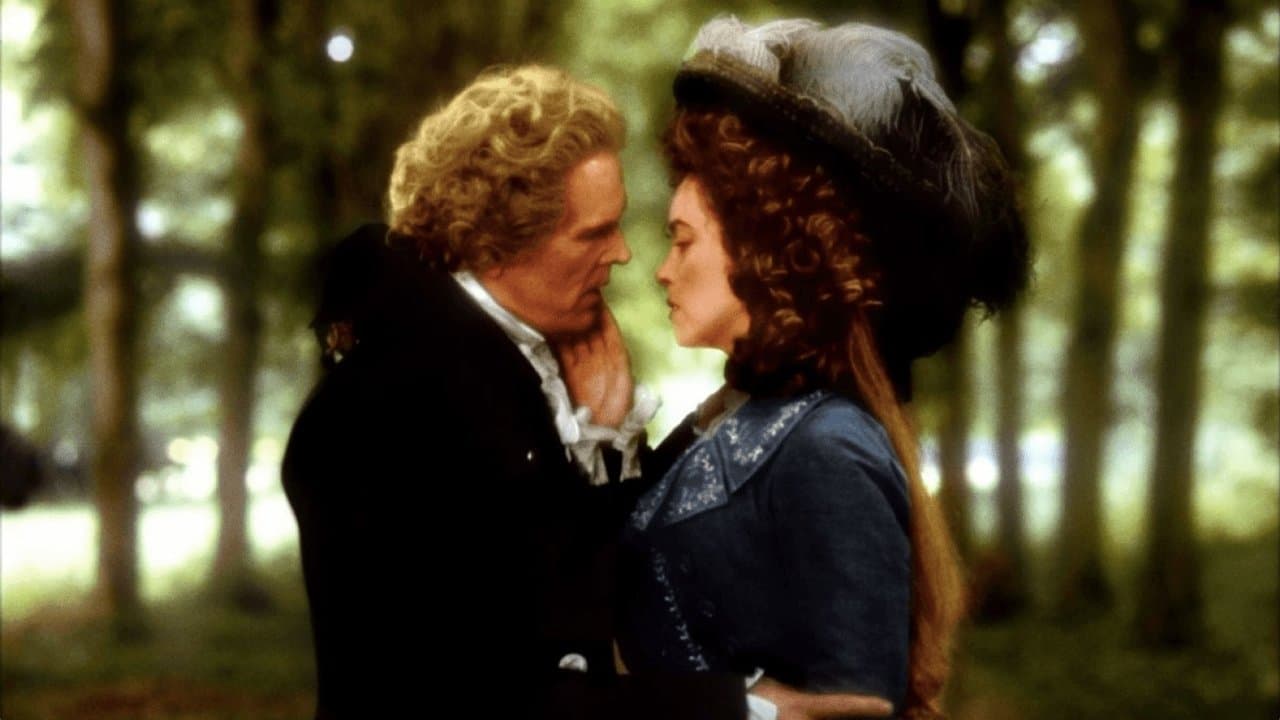
Thomas Jefferson arrives in Paris as United States ambassador following his wife's death, hoping to find solace in the role and distance from his grief. What he discovers instead is a country on the brink of upheaval—the aristocracy hoarding wealth while peasants starve, the old order creaking under pressure. He's drawn into the salon culture, the intellectual ferment, the sophisticated world of pre-revolutionary French society. Then he meets Maria Cosway, a cultured artist of Italian and English descent, and finds himself captivated by her wit, her refinement, her very presence. The attraction is real, complicated, and seemingly impossible. But when his daughter arrives from Virginia with her companion—Sally Hemings, an enslaved woman—Jefferson's world fractures. The film doesn't look away.
Behind the Making of Jefferson in Paris
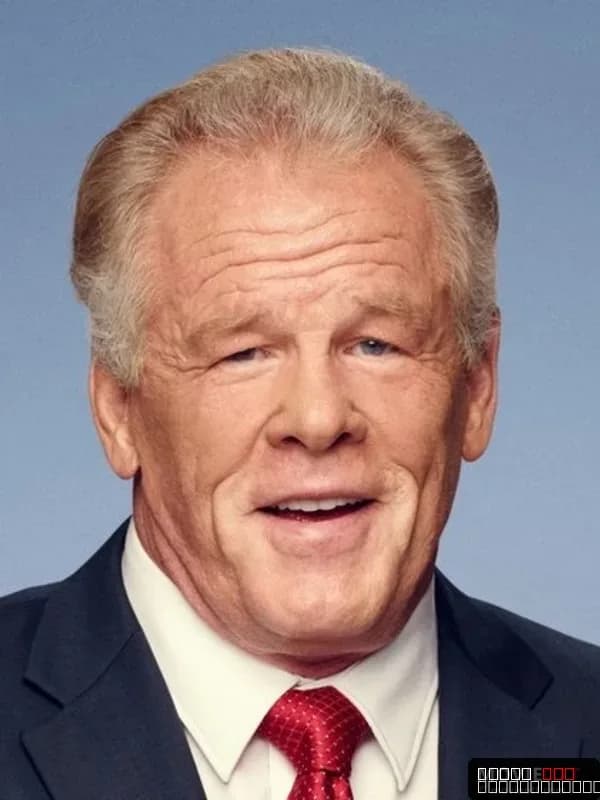
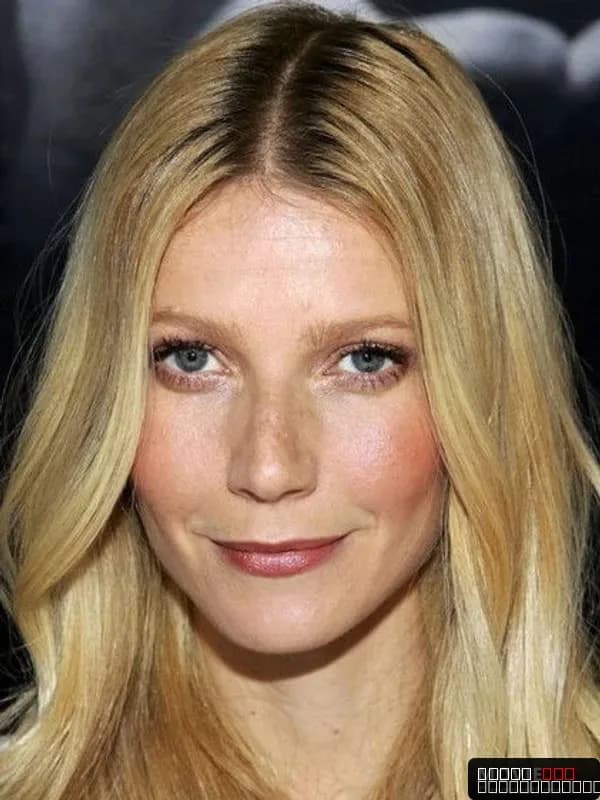
Jefferson in Paris marks director James Ivory's collaboration with screenwriter Ruth Prawer Jhabvala, the legendary writing team behind some of Merchant Ivory Productions' most celebrated works. Released in 1995 by Touchstone Pictures, the film was originally titled Head and Heart, a subtitle that hints at its central tension. Ivory and Jhabvala's script is semi-fictional—it takes historical facts about Jefferson's five years in France (1784–1789) and shapes them into a character study that prioritizes emotional truth over strict chronology. The cast includes Nick Nolte as Jefferson, Greta Scacchi as Maria Cosway, and Thandie Newton in a pivotal role as Sally Hemings. With a runtime of 139 minutes, the film allows itself breathing room to explore the textures of 18th-century Paris, the weight of diplomatic duty, and the collision between intellectual ideals and personal desire. The production design is meticulous—every frame feels lived-in, authentic. Movie OTT tracks where this period piece is currently streaming, making it easy to access Ivory's vision across multiple platforms.
What Makes Jefferson in Paris Stand Out
Here's what's striking about this film: it doesn't pretend Jefferson was a good man, nor does it wallow in condemnation. Instead, it sits in the uncomfortable space where most of us actually live—where intelligent, cultured people can hold progressive ideals while participating in monstrous systems. Nick Nolte brings a quiet, almost melancholic intensity to Jefferson; he's not played as a villain or a saint, but as a man genuinely torn between competing desires and the weight of his own hypocrisy. His scenes with Greta Scacchi crackle with genuine chemistry, the kind that makes you understand why he'd risk so much for her company. But it's Thandie Newton's performance that lingers. She doesn't have as much screen time as the other leads, yet her presence becomes the film's moral center—there's a scene where Sally Hemings and Jefferson share a moment of connection, and the film refuses to sentimentalize it or to look away from what it actually is. The cinematography by Pierre Lhomme bathes Paris in warm, golden light that feels almost dreamlike, which only deepens the tragedy when you realize Jefferson is living in a kind of fantasy while real people suffer. What's the critical consensus? The film sits at 5.1 on IMDb, suggesting it's divisive—some viewers find it too sympathetic to Jefferson, others find it too harsh, and that disagreement is actually proof the film is doing something honest. It doesn't comfort you.
Where to Stream Jefferson in Paris Online
Jefferson in Paris is available on major OTT services, which means you've got options depending on your existing subscriptions. Rather than hunting across five different apps, check the Where to Watch widget at the top of this page—it'll show you exactly which platforms currently have the film in your region and whether you can stream it free with ads, rent it, or need a subscription. Availability shifts seasonally, so that widget is your most reliable source for what's actually accessible right now. If you're a Movie OTT regular, you know we keep those listings updated in real time.
Frequently asked questions
Q: Who directed Jefferson in Paris?
James Ivory directed the film, working from a screenplay by Ruth Prawer Jhabvala. It's a Merchant Ivory production, the same team behind A Room with a View and Howards End.
Q: Is Jefferson in Paris based on a true story?
It's based on real historical events—Jefferson's actual tenure as ambassador to France from 1784 to 1789—but the screenplay is semi-fictional, reshaping facts to serve the emotional and thematic arc of the story rather than strict historical accuracy.
Q: What's the runtime of Jefferson in Paris?
The film runs 139 minutes, giving Ivory and his cinematographer plenty of time to establish mood, explore character, and linger on the details of 18th-century Parisian life.
Q: What are the main genres of Jefferson in Paris?
It's classified as drama, romance, and history—though calling it simply a romance undersells how much the film is actually about politics, morality, and the gap between what we believe and how we live.
Q: How does Jefferson in Paris handle the Sally Hemings storyline?
The film doesn't shy away from the reality of her enslavement, nor does it romanticize her relationship with Jefferson. It's presented as a genuine human connection shadowed by an impossible power imbalance—which is exactly what it was.
Final Thoughts on Jefferson in Paris
Jefferson in Paris won't make you feel good about America's founding fathers, and it shouldn't. What it does is offer a mature, unflinching look at how brilliant people can be complicit in terrible systems—how desire, ambition, and self-deception can coexist with genuine intelligence and sensitivity. The film trusts you to sit with that contradiction. It's not the easiest watch, and it doesn't resolve neatly. But that's precisely why it's worth your time. If you're interested in historical drama that doesn't flatten its subjects into heroes or villains, or if you want to see what James Ivory was doing in the mid-1990s, Jefferson in Paris deserves a place in your queue.