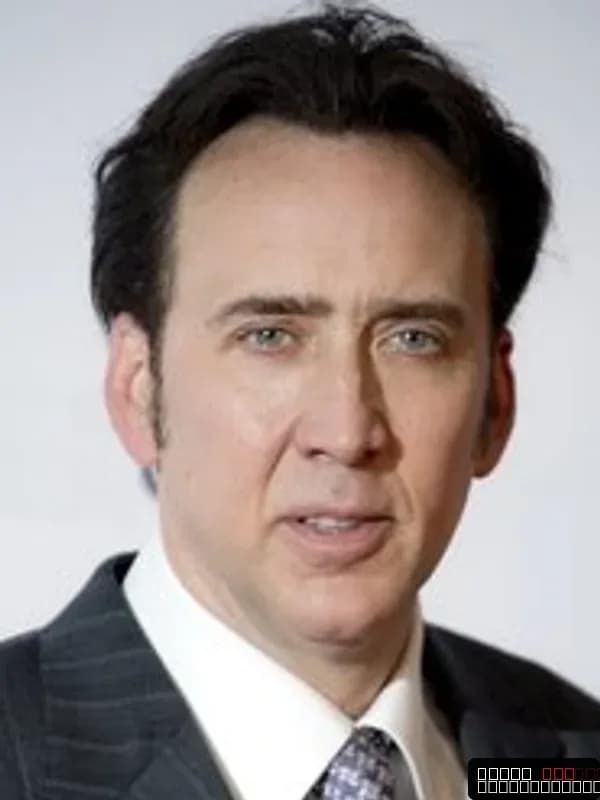

The Story of Joe and Its Unlikely Redemption
Joe (2014) follows Joe Ransom, an ex-convict trying to hold onto what's left of his life in rural Texas, when he crosses paths with a 15-year-old boy from one of the region's most fractured families. The boy's home life is a nightmare—his father is a hopeless alcoholic, and poverty runs deep. What starts as a simple work arrangement becomes something far more complicated: a tentative friendship between two people who have almost nothing, and everything to lose. The premise sounds like a thousand other redemption stories, but Joe isn't interested in easy answers. It's a film about whether a man genuinely broken by his own choices can help someone else avoid the same fate, or whether he'll only drag them down with him.
Director David Gordon Green crafted Joe as a character study wrapped in the trappings of a crime thriller. There's violence here—real, ugly, consequence-laden violence—but the film's true power lies in the quiet moments between characters, the unspoken understanding that passes between two people who've learned the world isn't kind. Green's 2014 indie was made on a modest budget and released through Roadside Attractions, a distributor known for championing unconventional narratives. The film didn't set the box office on fire, but it found its audience among critics and serious film enthusiasts who recognized something authentic in its portrayal of rural poverty and moral ambiguity. Cast alongside Nicolas Cage are Tye Sheridan as the teenager (a young actor who'd go on to notable roles in films like X-Men: Apocalypse), Gary Poulter as the abusive father, and Ronnie Gene Blevins as Joe's antagonist. The ensemble cast isn't stacked with A-listers—that's precisely the point. These are actors committed to the unglamorous work of making broken people feel real. The film clocks in at 117 minutes, allowing Green the space to let scenes breathe and characters reveal themselves through action rather than exposition.
Behind the Making of Joe and Its Critical Reception
David Gordon Green's approach to Joe reflects his broader filmmaking philosophy: patient, character-driven storytelling that trusts the audience to sit with discomfort. Green, known for indie dramas like George Washington and All the Real Girls, brought that same unflinching sensibility to this crime narrative. The script, written by Gary Hawkins, doesn't condescend to its characters or its audience—there's no sentimentality masking the reality of their circumstances. What's striking is how the film refuses the conventional mentor narrative. Joe isn't a savior. He's a man with his own demons, his own violent impulses, trying not to repeat his mistakes while watching a kid make versions of them in real time. That tension—that's where the film lives. The production was shot on location in Texas, lending an authenticity to the landscape that feels almost like a character itself: flat, unforgiving, beautiful in its bleakness. The IMDb rating of 6.7/10 reflects a film that polarizes somewhat—some viewers find it too bleak, others find it transcendent—but among critics and serious cinephiles, Joe earned substantial respect. Reviewers have noted that Nicolas Cage delivers one of his most controlled, nuanced performances, shedding the eccentricity he's sometimes known for in favor of a man barely holding himself together. The film didn't rack up major awards nominations, but it played at festivals and found champions in the critical community who saw it as evidence that Cage, given the right material and director, could deliver work of genuine depth.
What Makes Joe Stand Out in Cage's Career and Contemporary Crime Cinema
Nicolas Cage has made hundreds of films—some brilliant, some bewildering, most somewhere in between. But Joe ranks among his most deliberately crafted performances. There's no flourish here, no theatrical excess. Instead, Cage inhabits Joe Ransom with a quiet physicality and emotional restraint that feels earned. He doesn't play the character as sympathetic; he plays him as someone you can understand, which is harder and more valuable. The 117-minute runtime never feels indulgent because Green trusts long takes and silence to convey what dialogue can't. Watch the scenes between Joe and the teenager—there's a tenderness there, carefully guarded, always threatened by Joe's own capacity for violence. That contradiction is the film's heartbeat. What I keep coming back to is how the film treats its rural setting not as exotic backdrop but as a lived reality that shapes every character's choices. Poverty isn't a plot device in Joe; it's the water these people swim in. The film also distinguishes itself by refusing easy moral judgments. You're not meant to root for Joe because he's good—you're meant to understand him because he's human, and that's a far more unsettling, memorable experience. Tye Sheridan's performance as the boy is equally understated; he doesn't play innocence but rather the rapid loss of it, the way a kid in that environment hardens almost visibly. Gary Poulter, in what would be one of his final roles, brings a terrifying authenticity to the abusive father—not a caricature of villainy, but a man destroyed by addiction and circumstance, and dangerous because of it. The ensemble work across the board reflects Green's ability to extract performances that feel lived-in rather than performed. On Movie OTT, where streaming availability is tracked across multiple platforms, you'll find that Joe has developed a quiet cult following among those who appreciate character-driven crime cinema that doesn't traffic in easy catharsis.
Where to Stream Joe Online
Joe is currently available to watch on Prime Video, making it accessible to anyone with an Amazon subscription. If you're browsing for where to watch Joe, the Where to Watch widget at the top of this page will show you the most current streaming options and any rental or purchase alternatives. Prime Video's library has become increasingly robust for indie and prestige dramas, and Joe sits comfortably alongside other character-driven crime films available on the platform. Movie OTT keeps tabs on which streaming services carry which titles, so you can find Joe and similar films without the hassle of checking five different apps. The film's availability on a major platform like Prime means it's more accessible now than it was during its initial theatrical run, when it played a limited number of screens. That's one of the genuine benefits of the streaming era for films like this one—they get a second life, reaching audiences who might have missed them in cinemas.
Frequently asked questions
Q: Who directed Joe?
David Gordon Green directed Joe. Green is known for character-driven indie dramas and brought his patient, unflinching style to this 2014 crime narrative about an ex-con and a troubled teenager.
Q: When was Joe released?
Joe was released in 2014 and distributed by Roadside Attractions. The film premiered at festivals before its wider release, finding an audience among critics and serious film enthusiasts.
Q: Is Joe based on a true story?
Joe is a fictional narrative written by Gary Hawkins, not based on a specific true story, though its setting in rural Texas and themes of poverty and redemption reflect real-world struggles in that region.
Q: What is Joe's runtime?
Joe runs 117 minutes, giving director David Gordon Green ample time to develop his characters and let scenes breathe without rushing toward conventional plot resolutions.
Q: Where can I watch Joe?
Joe is currently available on Prime Video. Check the Where to Watch widget at the top of this page for the most up-to-date streaming availability and any rental or purchase options.
Final Thoughts on Joe
Joe isn't a comfortable watch. It doesn't offer redemption as a neat resolution or suggest that good intentions can undo damage already done. What it does offer is something rarer: a portrait of two people trying, in their broken ways, to matter to each other despite everything working against them. Nicolas Cage's performance is a masterclass in restraint, and David Gordon Green's direction trusts the material and his cast completely. If you're drawn to crime dramas that prioritize character over plot, that aren't afraid of ambiguity and moral complexity, Joe demands your attention. It's the kind of film that stays with you long after the credits roll.