Julia Pirotte - piękno i siła
A Polish photojournalist who documented the Resistance — now finally on film
Julia Pirotte (1907–2000) spent her life in the margins of major historical events, camera in hand, documenting what others couldn't or wouldn't. A Polish Jewish photojournalist, she captured the French Resistance in Marseille during World War II, then returned to Poland to photograph the 1946 Kielce pogrom—one of postwar Europe's most devastating antisemitic massacres. Two years later, she was in Wrocław documenting the 1948 World Congress of Intellectuals for Peace. That's not a biography. That's a front-row seat to the twentieth century's worst contradictions.
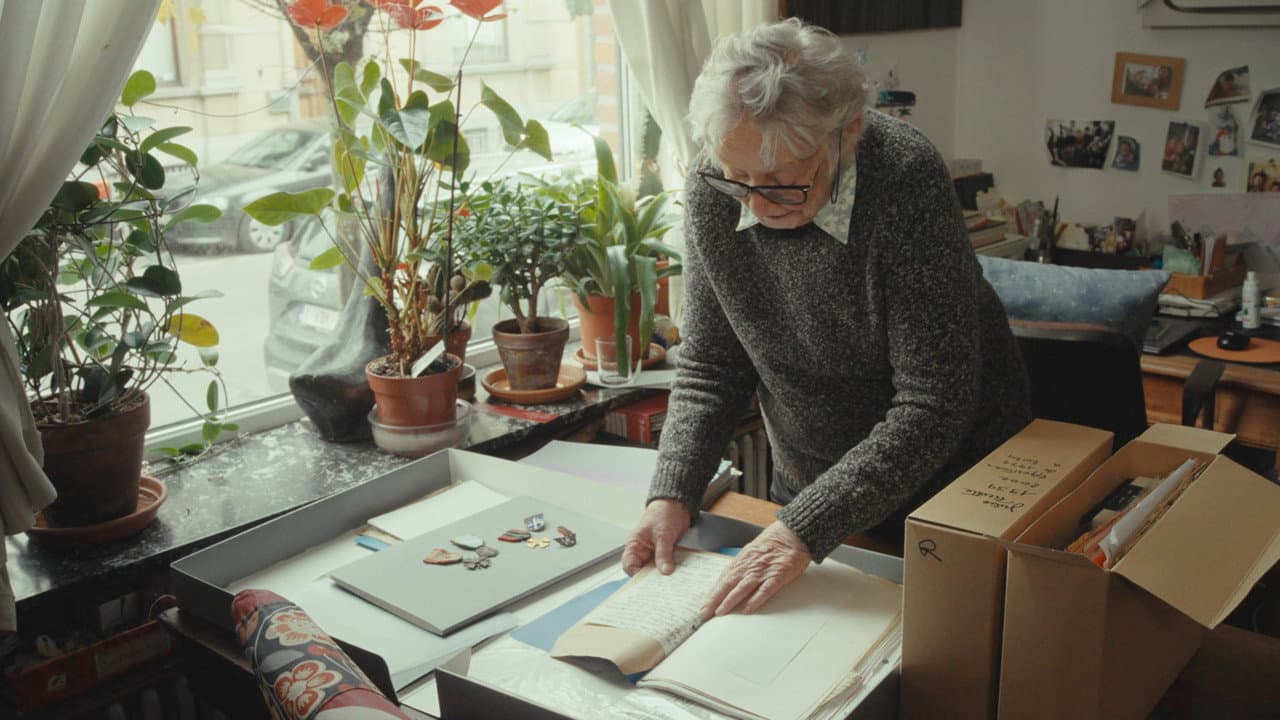
Julia Pirotte - piękno i siła is a 2026 documentary directed by Ewa Pytka that finally brings her story to film. It premiered at the Mumbai International Film Festival on June 18, 2026, and had its Polish pre-premiere on August 27 at Kino Charlie in Łódź. The film runs 80 minutes and draws on previously unpublished archival photographs—images that, for decades, never made it into the standard historical record.
What makes this documentary different from typical wartime films
Most World War II documentaries rely on the same footage, the same names, the same moral geography. This one cuts sideways through all of that.
What's striking is how Pytka uses archival materials to reframe what we thought we knew. She doesn't just present Pirotte as a witness—she shows her as an active agent, someone whose choices about what to photograph were themselves political acts. The thing nobody mentions often enough is that a camera was also a weapon. Pirotte understood that.
The production had institutional backing that matters here. Python Studios partnered with FINA (Poland's National Film Archive – Audiovisual Institute), which gave the filmmakers access to archival depth a purely commercial documentary wouldn't have. That's the difference between a rushed biography and an excavation.
Rather than leaning on dramatic reconstruction or heavy narration—the usual shortcuts—Pytka lets the images carry the emotional weight. That's a risk. It trusts the audience. And the fact that international programmers selected it for the Mumbai competition signals they found that risk worthwhile. Hard to say if wider critics will agree once reviews emerge, but the structural ambition is clear.
Where to watch (and why streaming info is still developing)
Streaming availability is still taking shape. The film only premiered in June 2026 and remains in its festival window, which is standard for documentaries at this stage. Movie OTT currently shows no confirmed platforms, though that'll change once the festival run winds down.
Here's what you can do right now:
- Check Movie OTT's where-to-watch tracker — it updates in real time as streaming rights deals confirm. Bookmark it; these documentaries often land on platforms all at once.
- Watch for fall 2026 festival announcements. The Polish pre-premiere at Kino Charlie suggests more domestic festival screenings are planned.
- Follow FINA's official channels for domestic broadcast options. Polish broadcasters often secure rights to co-productions like this one before wider streaming platforms do.
Streaming rights for festival documentaries move quickly. One week it's nowhere. The next week it's on three platforms simultaneously.
Who should watch this — and what to expect going in
This is for anyone burnt out on standard World War II narratives. If you've watched enough documentaries where the story feels predictable — same voices, same angles — Pirotte's lens offers something genuinely different.
It's also essential viewing if you're interested in women's roles in resistance movements. Not just as support players, but as documentarians, strategists, and survivors. Pirotte lived until 2000—ninety-three years of history, most of it underdocumented until now.
Fair warning: this won't be comfortable. Kielce in 1946 was horrific. But it's the kind of documentary that stays with you—the ones that make you realize how much historical depth gets erased simply because nobody bothered to preserve the photographs.
If you liked the archival approach of Night and Fog or the resistance focus of The Sorrow and the Pity, this will resonate. Same commitment to letting primary sources speak. (Though Pytka's film is shorter and more tightly constructed—80 minutes versus nearly 5 hours for Ophüls's epic.)
Key facts at a glance
- Director: Ewa Pytka
- Runtime: 80 minutes
- Year: 2026
- Genres: Documentary, History
- World Premiere: June 18, 2026 (Mumbai International Film Festival, documentary competition)
- Polish Premiere: August 27, 2026 (Kino Charlie, Łódź)
- Where to Stream: Check Movie OTT for current platform listings
- Rating: No MPAA rating assigned; IMDb page exists but shows 0/10 (no votes yet)
What we know about the production
The institutional partnership between Python Studios and FINA signals serious archival work—the kind that takes years to assemble properly. According to FINA's official announcement, the materials come from France, Belgium, and Poland. These aren't just photographs. They're evidence of what Pirotte witnessed and chose to preserve.
The 80-minute runtime is lean and purposeful. Longer documentaries sometimes lose focus. This one doesn't.
Pytka is a Polish filmmaker working at the intersection of archival research and contemporary documentary practice—exactly the kind of director equipped to handle sensitive historical material with both rigor and restraint. No sensationalism. No false drama. Just the photographs and what they reveal.
FAQ
Q: Is this based on a true story?
Yes, entirely. Pirotte was a real photojournalist (1907–2000) who documented the Resistance, the liberation of Marseille, the Kielce pogrom, and the 1948 World Congress. The film draws on her actual archival photographs.
Q: When should I expect this to be available for streaming?
Likely fall 2026 or early 2027, once the festival circuit concludes. Festival documentaries typically move to platforms 3–6 months after their major premieres. Movie OTT's tracker will catch the announcement as soon as it happens.
Q: Is this family-friendly?
No. The Kielce pogrom material is historically significant but disturbing. It's for adult audiences with interest in wartime history and willing to sit with difficult subjects.
Q: Who produced this?
Python Studios and FINA (Poland's National Film Archive – Audiovisual Institute). The institutional backing is why the archival work is so thorough.
Q: Can I watch this outside Poland?
Not yet. The world premiere was in Mumbai, but wider international distribution hasn't been announced. That may change once festival runs conclude and streaming rights are finalized.
Next step: Add Julia Pirotte - piękno i siła to your watchlist on Movie OTT or FINA's site so you catch the moment it becomes available. These documentaries don't always get wide publicity once they land on platforms.