
The Story of Kangaroo Jack
When two childhood friends from Brooklyn get tangled up with the mob, they're handed an impossible task: deliver $50,000 to a contact in the Australian Outback. Sounds straightforward enough. But when a wild kangaroo—one with a taste for mischief and a wardrobe that'd make any hip-hopper jealous—makes off with the cash in one of their jackets, the operation spirals into chaos. What follows is a cross-continental chase through the Outback, complete with bumbling mobsters, shady characters, and a marsupial that's somehow become the most elusive criminal in the story. The premise is ridiculous. That's exactly the point.
Behind the Making of Kangaroo Jack
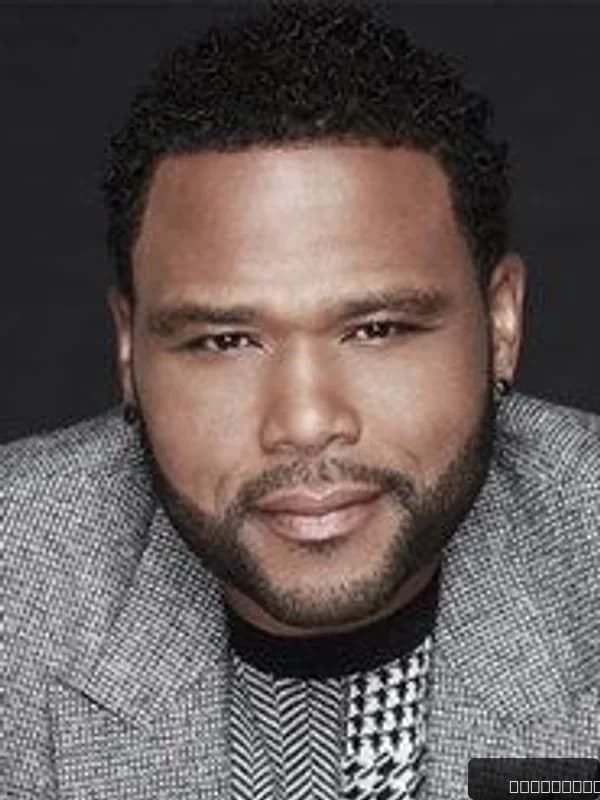
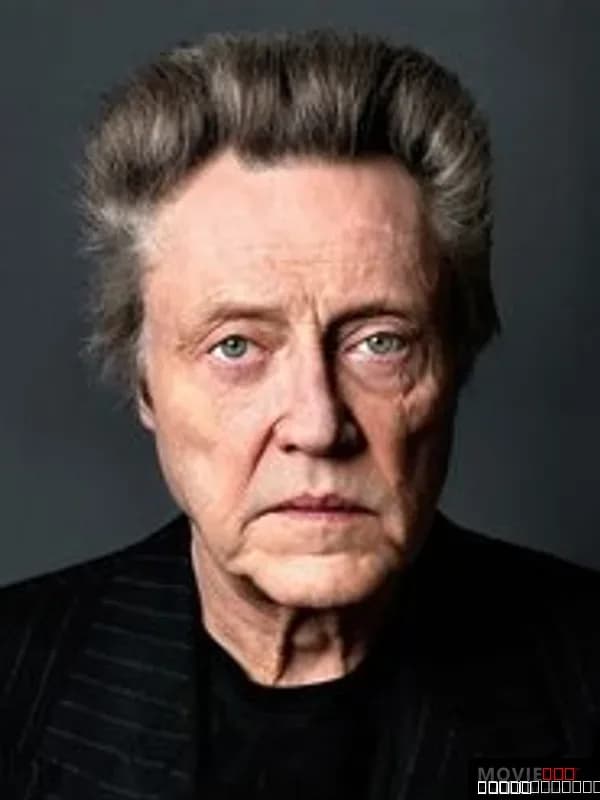
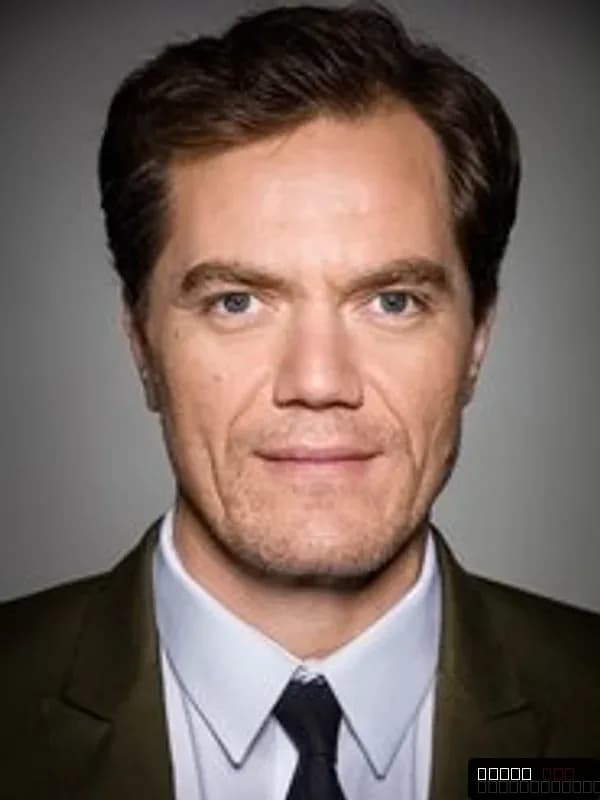
Director David McNally took the helm of this ambitious comedy, bringing together a cast that shouldn't have worked on paper but somehow did. Jerry O'Connell and Anthony Anderson carry the film as the two leads—O'Connell as the more earnest of the pair, Anderson as the wisecracking foil—and their chemistry is genuinely what keeps the film watchable even when the plot stretches credibility. The supporting cast reads like a who's who of character actors: Christopher Walken as the menacing mob boss (because who else would you hire to terrify two bumbling delivery men?), Michael Shannon as a mob enforcer, and Estella Warren as the romantic interest caught between worlds.
The film was written by Steve Bing and Scott Rosenberg, who crafted something that could've been a straight action thriller but instead leaned hard into the absurdity. Trevor Rabin composed the score, giving the Outback sequences an adventurous energy that elevates what could've been a forgettable romp. What's striking is that despite critical demolition—the film holds a 16 Metascore and a 4.5 on IMDb—audiences showed up. Kangaroo Jack earned $66.9 million worldwide on a modest budget, making it one of those rare films that critics hated but the public actually paid to see. It's rated PG, which meant families could bring kids without guilt, and that accessibility clearly mattered to the box office equation.
Why Kangaroo Jack Works as Family Adventure
Here's the thing nobody mentions: Kangaroo Jack doesn't pretend to be something it's not. It's not trying to win Oscars or redefine the action-comedy genre. Instead, it leans into the absurdity of its premise with almost stubborn commitment. A talking, hip-hopping kangaroo wearing sunglasses and a leather jacket? Sure. Why not. The film embraces the cartoon logic of it all, which is exactly what makes it tolerable—sometimes even enjoyable—for audiences willing to meet it halfway.
O'Connell and Anderson's dynamic carries much of the film's weight. Their banter feels lived-in, the kind of back-and-forth that suggests these guys actually know each other, and there's a warmth to their friendship that makes you care whether they succeed or end up sleeping with the fishes. Walken, meanwhile, steals every scene he's in—which, to be fair, isn't that hard when you're playing a mob boss opposite two comedians fumbling through the Outback. His presence alone elevates moments that might otherwise feel flat. Movie OTT tracks where films like this end up streaming, and Kangaroo Jack's journey from theatrical release to home viewing is a perfect example of how a film's reputation can shift when audiences encounter it on their own terms, without the weight of critical expectation.
The film also benefits from its Outback setting. Australia looks genuinely gorgeous here—wide open spaces, rust-colored earth, the kind of landscape that makes even a goofy premise feel like an adventure. Director McNally uses the location to give the film visual scope that a Brooklyn-set mob comedy wouldn't have. It's a smart move, trading New York grittiness for something more cinematic and family-friendly.
Where to Stream Kangaroo Jack Online
If you're curious about this peculiar piece of early-2000s cinema, Kangaroo Jack is currently available on Netflix. The convenience of streaming means you can finally settle the debate: is it as bad as critics said, or does it have a weird charm that deserves reconsideration? You can check the Where to Watch widget at the top of this page for the most current availability across platforms. Streaming services rotate titles regularly, so if you've been meaning to revisit it—or see it for the first time—now's a solid time to queue it up. What's nice about having it on Netflix is that you're not committing $15 to a theatrical ticket or even a rental fee; you're just using your existing subscription to satisfy curiosity.
Frequently asked questions
Q: Who directed Kangaroo Jack?
David McNally directed the film, bringing his experience with action-comedies to this wildly absurd premise. He managed to keep the energy moving despite the film's scattered plot.
Q: Is Kangaroo Jack based on a true story?
No, it's entirely fictional. The premise—two friends, mob money, and a thieving kangaroo—is pure invention from writers Steve Bing and Scott Rosenberg, designed as a family-friendly action-comedy rather than anything rooted in reality.
Q: What's the runtime of Kangaroo Jack?
The film runs 85 minutes, which is lean enough that it doesn't overstay its welcome. For a movie this silly, that's actually the right length.
Q: Why did Kangaroo Jack make so much money if critics hated it?
The film earned $66.9 million globally on a modest budget, largely because it was rated PG, marketed as family entertainment, and had enough star power (Christopher Walken, Jerry O'Connell) to draw audiences who weren't reading Metascore reviews. Families and kids were the target, and they showed up.
Q: Is Kangaroo Jack worth watching?
That depends on your tolerance for absurdity and early-2000s comedy sensibilities. If you appreciate films that commit fully to ridiculous premises without irony, it's worth a look. If you need critical validation, skip it. Most viewers find it falls somewhere between "guilty pleasure" and "why did I watch this," which isn't the worst place to land.
Final Thoughts on Kangaroo Jack
Kangaroo Jack is the kind of film that probably shouldn't exist, yet somehow did—and profitably. It's not a good movie by conventional measures. Critics were right to be skeptical. But there's something almost admirable about a film that commits so thoroughly to its own silliness. It doesn't apologize for its premise; it doesn't wink at the camera trying to seem clever. It just is: two guys, a kangaroo, and $50,000 in the Australian Outback. If that sounds like your kind of weird, Netflix has you covered.