The Story of Kid Glove Killer
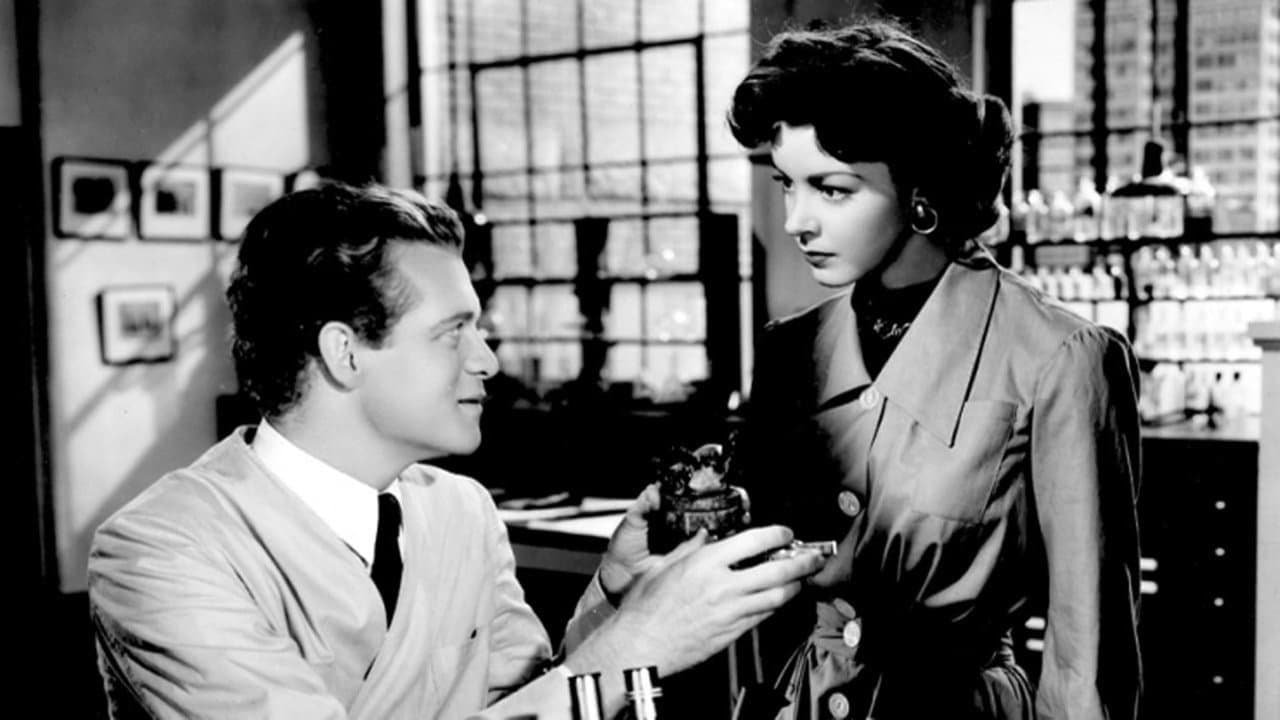
Kid Glove Killer opens in a world where scientific evidence is still a novelty—where a police chemist's work at the microscope feels almost exotic compared to the old-school detective work that dominates the precinct. Van Heflin plays Gordon McKay, the head of a city crime lab tasked with solving the murder of the town mayor using forensic analysis rather than hunches or informants. The premise is straightforward, but the execution reveals something more interesting: a film fascinated by the methodical, unglamorous work of evidence collection and analysis. It's a murder mystery, sure, but one where the real drama unfolds in the lab, not the interrogation room.
Behind the Making of Kid Glove Killer
Kid Glove Killer arrived in 1942 as a Metro-Goldwyn-Mayer production at a moment when the studio system was still churning out B-pictures with the same industrial efficiency it applied to prestige projects. What makes this particular film noteworthy isn't its budget or its star power—it's that it served as the feature-length directorial debut of Fred Zinnemann, a name that would go on to define serious American cinema. Zinnemann, who'd previously worked in shorts including an expanded version of the 1938 Crime Does Not Pay short "They're Always Caught," brought a documentary-like precision to the material that feels ahead of its time. The 74-minute runtime keeps the narrative lean and focused, avoiding the melodrama that might've sunk a lesser picture. Van Heflin, who'd already begun establishing himself as a reliable character actor, carries the film with quiet competence—he's not the flashy lead, but a technician in a suit, which is exactly what the story needs. The film didn't set box offices on fire, but it proved something to MGM: that Zinnemann had a directorial voice worth investing in. That early recognition would eventually lead to his helming some of the most acclaimed films of the 1950s and beyond.
What Makes Kid Glove Killer Stand Out
What's striking about Kid Glove Killer, even now, is how seriously it takes its premise. This isn't a film that treats forensic science as window dressing or a convenient plot device—it actually shows the work. Heflin's McKay spends real screen time analyzing evidence, comparing fibers, examining chemical reactions. There's no montage shortcutting the investigation; Zinnemann lets scenes breathe, trusting that an audience can find tension in the unglamorous details. The performances anchor the film in a kind of grounded realism that you don't always find in crime pictures from this era. Heflin doesn't chew scenery or deliver theatrical speeches about justice; he's methodical, almost understated, which makes his determination feel earned rather than imposed. I keep coming back to how the film positions intelligence and precision as genuinely heroic—McKay isn't a tough guy with a gun, he's a scientist with a microscope, and the movie never apologizes for that. It's a small thing, maybe, but it's the kind of choice that separates a film that's merely competent from one that has something genuine to say about how we solve problems and seek truth. The IMDb rating of 6.4 out of 10 doesn't quite capture how ahead-of-its-time the film feels in its approach to procedural storytelling.
Where to Stream Kid Glove Killer Online
Finding Kid Glove Killer today requires knowing where classic Hollywood crime pictures have landed in the streaming age. The film is currently available on major OTT services—check the "Where to Watch" widget at the top of this page to see which platforms are carrying it in your region right now. Movie OTT tracks these availability shifts constantly, since licensing agreements shift and rotate across services. If you're hunting for classic MGM crime dramas or early Zinnemann work, it's worth checking back regularly, as older catalog titles sometimes move between platforms. Streaming has made these films far more accessible than they were even a decade ago, when you'd need to hunt through specialty rental shops or wait for late-night cable airings.
Frequently asked questions
Q: Who directed Kid Glove Killer?
Fred Zinnemann directed Kid Glove Killer as his feature-length directorial debut. Zinnemann went on to become one of Hollywood's most respected filmmakers, directing classics like High Noon and A Man for All Seasons.
Q: What year was Kid Glove Killer released?
Kid Glove Killer was released in 1942 by Metro-Goldwyn-Mayer as a crime thriller. It was an expanded feature version of the 1938 Crime Does Not Pay short subject "They're Always Caught."
Q: How long is Kid Glove Killer?
The film runs 74 minutes, making it a lean, focused crime drama that doesn't overstay its welcome. The brisk runtime keeps the investigation moving without sacrificing character development.
Q: Is Kid Glove Killer based on a true story?
Kid Glove Killer is not based on a specific true story, though it draws on the real-world emergence of forensic science in crime investigation. The film takes inspiration from actual police lab procedures and evidence analysis techniques of the era.
Q: What is the plot of Kid Glove Killer?
Van Heflin stars as Gordon McKay, a police chemist who uses forensic analysis and scientific evidence to solve the murder of a city mayor. The film focuses on the methodical detective work and laboratory investigation rather than traditional crime-drama theatrics.
Final Thoughts on Kid Glove Killer
Kid Glove Killer deserves rediscovery, not because it's a lost masterpiece—it's not—but because it represents something genuinely interesting about how filmmakers approached crime stories in the 1940s. Zinnemann's directorial clarity, Heflin's understated performance, and the film's genuine fascination with scientific procedure create something that feels both of its time and oddly contemporary. If you're interested in the origins of procedural crime drama, or in watching an important director find his footing, this 74-minute film rewards the investment. Movie OTT makes finding these kinds of deep-catalog titles easier than ever—it's worth exploring what else from this era might surprise you.