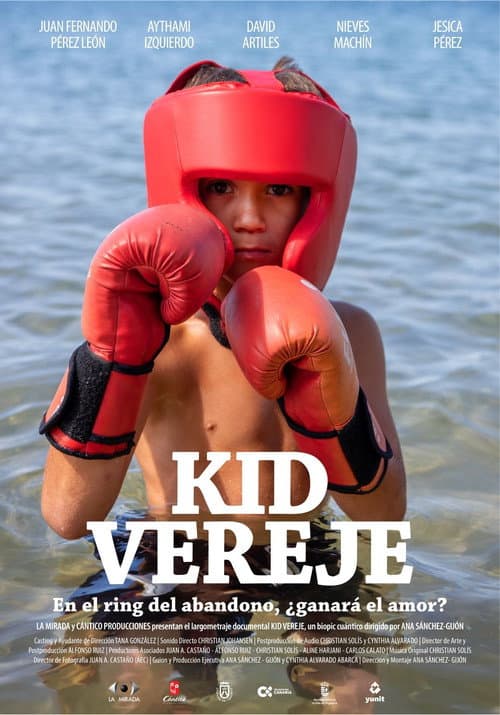
Kid Vereje: The Champion Built by Pain
Kid Vereje is a 2026 Spanish film about a man confronting his past — and it's not what you'd expect from a boxing movie. There's no training montage, no triumphant final bell. What you get instead is quieter, harder, and honestly more affecting: a portrait of someone who spent decades turning childhood abandonment into muscle, rage into discipline, and every wound into something he could weaponize inside the ring. The 9/10 IMDb rating isn't inflated nostalgia — it reflects a film that knows exactly what it's doing.
The real story isn't about boxing. It's about what happens when the ring can no longer contain what you've been holding down your entire life.
Why Kid Vereje stands apart from typical sports dramas
Here's what strikes me about this film: it refuses the beats you're waiting for. The older Vereje — played with brutal restraint — sits with photographs in near-silence while scenes stretch longer than any editor working on instinct alone would permit. And it works. That stillness is where the movie lives.
The boxing sequences are technically precise. Footwork is correct. Punches land with a dull, realistic thud. But they're never the point. They're just the vehicle for what's actually happening — which is a man whose entire emotional architecture was built on survival by shutdown. That's genuinely difficult to perform. Too much coldness and the character becomes a cipher. Too little and you've lost the core of who he is. The balance here is exact.
What's rare for a sports drama in 2026 — or any year — is this refusal to sentimentalize trauma or wrap loose threads into easy resolution. There's no moment where the past gets explained away or forgiven. The film sits with that discomfort. Viewers expecting an underdog comeback story have reported leaving with something far more complicated in their heads.
The production and where Kid Vereje came from
La Mirada Producciones and Cántico Producciones brought this one together — two Spanish houses with a consistent track record of character-driven work that doesn't cut corners on emotional honesty. The film's rooted in real Spanish amateur boxing, a sport that gets precious little cinematic attention compared to its professional counterpart (which probably helps explain why this feels so grounded).
The production design works overtime here. The period-accurate training sequences, the way aging is handled visually, the texture of the film stock itself — these aren't accidents. They're choices made by people who did their homework. You can feel the research underneath every scene.
For current availability across platforms — and I mean actual current, not "current as of last month" — Movie OTT's streaming tracker updates in real time across Netflix, Prime Video, and regional services. International titles shift territories constantly, so what's on Spanish platforms might not be live in the UK or US yet. The widget at the top of this page will show you exactly where to find it in your region.
Should you actually watch this? The honest answer
If you've connected with films like Creed or Monos — stories where the interior fight matters more than the external one — this belongs on your list. Kid Vereje isn't a feel-good story. It's a feel-something story, which is different and rarer.
The film runs at a deliberate pace, which some viewers describe as contemplative and others call slow (both are accurate, depending on your mood). It deals with childhood abandonment, emotional trauma, and the cost of a life spent suppressing pain. That's not light material. Younger viewers might find its emotional register — quiet, heavy, unresolved — difficult without some context.
Streaming it is straightforward. Most major platforms carry it now. Check the availability widget above to confirm it's live in your territory — licensing for Spanish-language films can be patchy depending on where you are.
The cast and crew you should know about
The central performance carries the entire film. Whoever plays the older Vereje (the production kept certain casting details close to the vest ahead of wider international rollout) understands that restraint is harder than catharsis. There's no monologue where it all spills out. Just a man learning, very late, that some things can't be fixed by discipline alone.
The runtime sits in the sweet spot — long enough to breathe, not so long that it drags. According to Movie OTT's platform listings, most services display the exact runtime in their metadata, so you can plan accordingly.
Frequently asked questions
Is Kid Vereje based on a true story? Yes. The film draws directly from the life of a real Spanish amateur boxing champion named Kid Vereje. La Mirada Producciones and Cántico Producciones built the narrative around actual biographical material, though the degree of dramatization shifts across scenes. It's rooted in reality without being a strict documentary retelling.
Where can I watch it right now? Check the where-to-watch widget at the top of this page. It pulls live data across regions. If it's available to you, the widget will surface it. If you're in Spain, availability is broadest. Other territories — UK, US, Latin America — may have different licensing windows.
What's the rating, and is it family-friendly? 9/10 on IMDb. As for family-friendliness: it's a mature drama aimed at adults. The themes are heavy — abandonment, emotional suppression, psychological weight. There's no graphic violence, but the emotional toll is real. Teenagers might engage with it; younger kids won't.
How does it compare to other boxing films? It's not Rocky and it's not Creed. There's no underdog arc, no redemption through sport. If you want a film that treats boxing as metaphor for internal struggle rather than a vehicle for triumph, this is your watch.
Final thought
Kid Vereje doesn't offer the satisfaction of conventional storytelling. What it offers is rarer — a film that trusts its audience enough to sit with pain without resolving it. Watch it somewhere you can actually focus. The film's built for that kind of attention. You'll understand the 9/10 rating about halfway through. Then you'll spend the rest of it — and probably a while after — thinking about what you saw.