




The story of Killing Reagan
Killing Reagan isn't your typical political thriller. Instead of focusing solely on the shooting itself, the film constructs a dual narrative that traces two converging lives in the months before March 30, 1981. The story begins during Reagan's final push toward the presidency, capturing a man still defining himself as a leader—someone who'd reinvented himself before and was doing it again on the national stage. Meanwhile, John Hinckley Jr. drifts through his own existence, increasingly detached from reality, his obsession with actress Jodie Foster consuming him as his mental state deteriorates. These two trajectories—one ascending, one collapsing—move inexorably toward a single moment of violence that will reshape the presidency and test the nation's resolve. What makes the setup compelling is its refusal to turn either figure into a caricature. Reagan's ambitions feel genuine, Hinckley's descent feels tragic rather than simply monstrous.
Behind the making of Killing Reagan
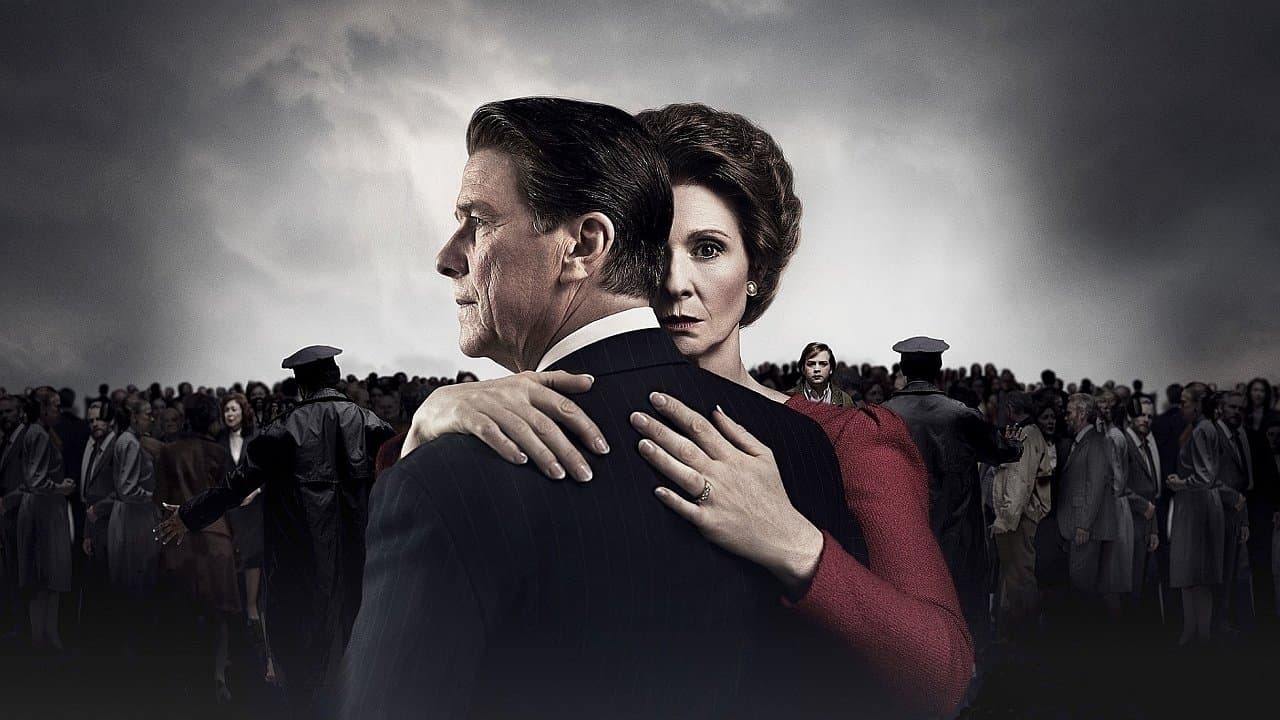
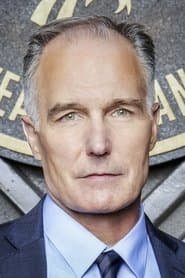
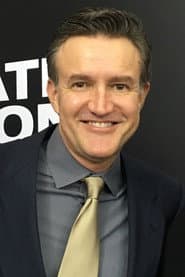
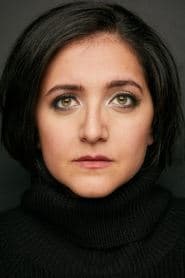
Director Rod Lurie adapted Eric Simonson's screenplay from Bill O'Reilly and Martin Dugard's 2015 bestselling book, a choice that gave the project immediate cultural currency and a built-in audience. National Geographic and Scott Free Productions brought the film to television, premiering it on October 16, 2016, on the National Geographic Channel—a strategic placement that lent the project both prestige and reach. Tim Matheson carries the film as Reagan, a casting choice that works because Matheson avoids the trap of impression-work; he inhabits the role with a quietness that lets you see the calculation beneath Reagan's charm. Cynthia Nixon, as Nancy Reagan, provides the emotional anchor—she's the one watching her husband's ambitions crystallize while managing the practical concerns of a wife and partner. The supporting cast, including Joel Murray as Hinckley and Joe Chrest in key roles, grounds the narrative in specificity rather than melodrama. The film earned six award nominations and carries a TV-14 rating, making it accessible to a broad audience without sanitizing the psychological darkness at its core. With a runtime of 100 minutes, Lurie maintains a brisk pace that never feels rushed, though some critics noted the editing could've lingered longer on certain character moments.
Why Killing Reagan resonates with audiences
What's striking about Killing Reagan is how it refuses the easy psychological autopsy. The film doesn't pretend to fully explain why Hinckley did what he did—and that restraint is exactly what makes it work. Instead, we watch the accumulation of small fractures, the way isolation and obsession metastasize into something dangerous. Rotten Tomatoes gave it a 63% Fresh rating, and while that's not overwhelming, the critics who connected with it did so because of the film's willingness to sit with ambiguity. The performances anchor everything. Matheson's Reagan is neither hagiography nor hatchet job; he's a man aware of his own mythology, sometimes unsure which version is real. Nixon's Nancy is the film's emotional truth-teller—she sees what's coming, or at least senses it. I keep coming back to the scenes between them, the quiet domestic moments that humanize the historical figures without diminishing their significance. The 1980s setting, rendered in muted tones and period detail, creates a world that feels lived-in rather than constructed. That attention to texture—the phones, the offices, the way people moved and dressed—gives the whole enterprise a documentary-like credibility. The IMDb score of 6.7/10 reflects a film that doesn't quite reach masterpiece status but absolutely justifies the time you spend with it, especially if you're interested in how political biography can work on screen without resorting to caricature or propaganda.
Where to stream Killing Reagan online
Killing Reagan is currently available across major OTT platforms, and the best way to find it in your region is to check the Where to Watch widget at the top of this page—it updates in real time so you'll always know where to stream it next. Since the film premiered on National Geographic, it's often available through services that carry that channel's catalog, though availability shifts by geography and subscription tier. Movie OTT tracks these changes constantly, so if you don't see it on your usual platform, the widget will show you where it's migrated. The 100-minute runtime makes it an easy weeknight watch, and because it's a TV movie rather than a theatrical release, it's designed for the living-room experience—which is exactly where this kind of intimate political drama thrives.
Frequently asked questions
Q: Is Killing Reagan based on a true story?
Yes. The film is adapted from Bill O'Reilly and Martin Dugard's 2015 bestselling book of the same name and dramatizes the actual assassination attempt on President Ronald Reagan by John Hinckley Jr. on March 30, 1981. While the film takes some creative liberties with dialogue and scene construction, the core historical events and timeline are accurate.
Q: Who directed Killing Reagan?
Rod Lurie directed the film from a screenplay by Eric Simonson. Lurie is known for his work in political dramas and brought a measured, character-focused approach to the material rather than sensationalizing the violence.
Q: What's the runtime and rating?
Killing Reagan runs 100 minutes and is rated TV-14, making it accessible to older teens and adults. The rating reflects the film's mature themes around mental illness and violence, though it doesn't graphically depict the shooting itself.
Q: Who plays Ronald Reagan in the film?
Tim Matheson plays President Reagan, delivering a nuanced performance that avoids caricature. Cynthia Nixon plays Nancy Reagan and provides much of the film's emotional core.
Q: When did Killing Reagan premiere?
The film premiered on October 16, 2016, on the National Geographic Channel as a television movie, not a theatrical release.
Final thoughts on Killing Reagan
Killing Reagan works best if you approach it as character study rather than action film. It's not trying to thrill you—it's trying to make you understand how two broken trajectories collided at a moment that mattered. The film respects your intelligence enough to suggest rather than explain, to show you the cracks without hammering the moral. If you're drawn to political dramas that take their subjects seriously, or if you're simply curious about how television can handle historical events with nuance, it's worth your time. Don't expect fireworks. Expect something quieter and, in its way, more unsettling.