

The story of King Arthur: Legend of the Sword
King Arthur: Legend of the Sword isn't your grandmother's Excalibur tale. This 2017 film, directed by Guy Ritchie, strips away the medieval pageantry and rewrites the Arthurian legend as an origin story rooted in grit, survival, and rebellion. Charlie Hunnam plays Arthur, a man raised on the streets of Londinium who doesn't know his true lineage—until he draws the sword from the stone and everything changes. Jude Law embodies the tyrannical sorcerer-king Vortigern, who seized the throne through dark magic and murder, setting up a collision course between the rightful heir and the usurper. It's a story about discovering who you really are, and what you're willing to sacrifice to claim it.
The film traces Arthur's journey from orphan to reluctant hero, gathering allies and learning to harness powers he didn't know he possessed. What makes this version distinctive is Ritchie's signature style—kinetic pacing, quick cuts, and a street-level perspective that keeps the fantasy grounded in something resembling reality. The sword in the stone isn't just a magical artifact; it's a test, a burden, and a call to action that Arthur can't ignore.
Behind the making of King Arthur: Legend of the Sword
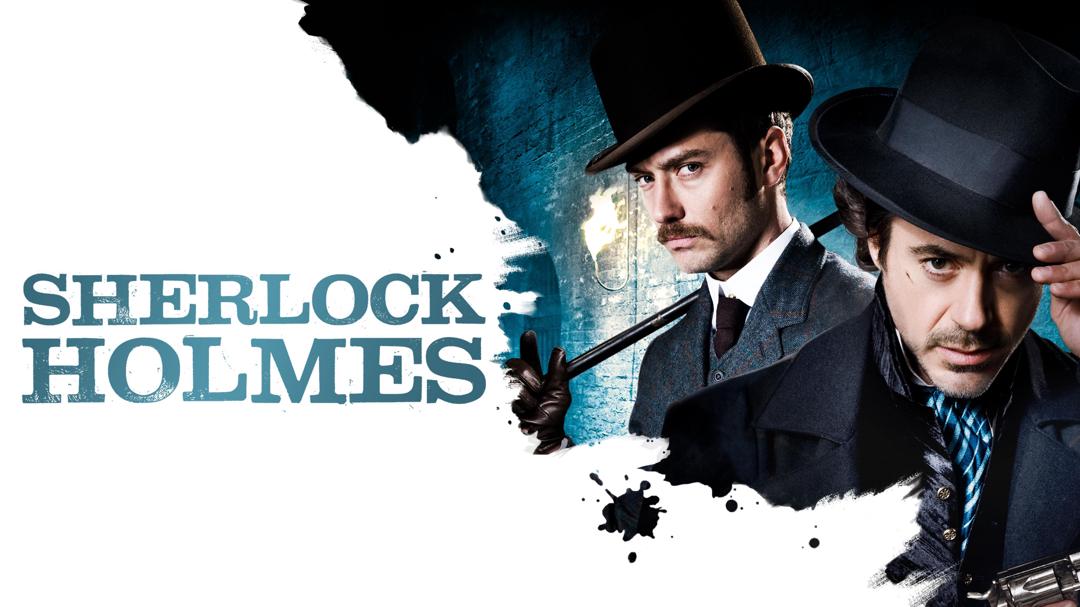
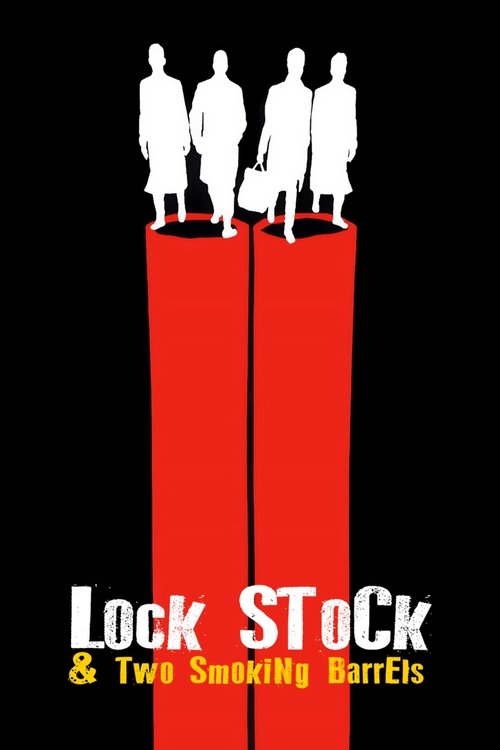
Guy Ritchie co-wrote this film with Joby Harold and Lionel Wigram, drawing from David Dobkin's story and the centuries-old Arthurian legends that've inspired countless adaptations. Ritchie, known for his work on the Sherlock Holmes films and the Lock Stock and Two Smoking Barrels era of British cinema, brought his kinetic visual language to what could've been a straightforward sword-and-sorcery epic. The cast assembled around Hunnam is genuinely impressive: Jude Law as the villain, Eric Bana as a fallen knight, Djimon Hounsou as a mystical guide, and Àstrid Bergès-Frisbey as a mage with her own agenda. The film runs 126 minutes and carries a PG-13 rating, making it accessible to younger audiences curious about the legend.
Box office returns tell a more sobering story. King Arthur: Legend of the Sword earned $39.2 million worldwide—a respectable number in isolation, but a disappointment for a film that reportedly cost significantly more to produce. The movie earned 10 award nominations, though critics were notably divided. On Rotten Tomatoes, it landed at 31% (Rotten), while Metacritic's aggregated score came in at 41, suggesting a film that divided professional reviewers. The IMDb audience rating of 6.7 out of 10 (from over 243,000 votes) hints at something more interesting: viewers who caught it on streaming or home video often found more to appreciate than critics initially granted it.
What makes King Arthur: Legend of the Sword stand out
Here's the thing about this film—it's genuinely difficult to recommend, and yet it's also impossible to dismiss entirely. What's striking is how Ritchie commits to his vision without apology. The man doesn't make slow, contemplative fantasy films, and he doesn't try to here. Instead, he cuts between Arthur's street-level scheming, mystical sequences involving the sword's power, and Vortigern's dark sorcery with an energy that keeps the film moving even when the plot threatens to bog down. Charlie Hunnam brings a roguish charm to Arthur, playing him as someone who's been surviving by his wits and now has to learn to lead by something deeper. He's not the noble, destined king of legend—he's a hustler who stumbles into royalty.
Jude Law, meanwhile, is genuinely menacing as Vortigern. He's not a cartoon villain; he's a man who took what he wanted through ruthlessness and magic, and now he's terrified of losing it. The supporting cast—Djimon Hounsou especially—brings gravitas to roles that could've been throwaway. Àstrid Bergès-Frisbey's mage character is underwritten, which is a shame, but the actress does what she can with the material. The visuals are where Ritchie really flexes: the sword in the stone sequence, the visions that Arthur experiences, the dark magic that Vortigern wields—these moments have a real sense of spectacle. I keep coming back to how the film doesn't feel like a typical fantasy movie, and that's both its greatest strength and its biggest liability. It won't satisfy purists looking for a faithful Arthurian adaptation, but for viewers who want something different, something that doesn't take itself too seriously, there's entertainment value here that critics maybe undersold.
Where to stream King Arthur: Legend of the Sword online
If you're ready to give Ritchie's Arthurian reimagining a shot, the good news is accessibility. King Arthur: Legend of the Sword is currently available on Netflix, making it easy to stream without an additional rental or purchase. The film's theatrical run ended years ago—one reviewer noted it's unlikely to ever return to cinemas—so streaming is now the primary way most people will encounter it. Netflix's library rotates, so availability can change, but as of now, it's there. Movie OTT tracks current streaming availability across major platforms, so you can check the Where to Watch widget at the top of this page to confirm it's still available on your preferred service and see if it's popped up anywhere else. At 126 minutes, it's a solid evening watch, and the PG-13 rating means you can invite the whole household if you're in the mood for some fantasy action.
Frequently asked questions
Q: Who directed King Arthur: Legend of the Sword?
Guy Ritchie directed the film. He's known for his kinetic visual style and brought that signature approach to this Arthurian legend, co-writing the screenplay with Joby Harold and Lionel Wigram.
Q: Is King Arthur: Legend of the Sword based on a true story?
No, it's based on the legendary Arthurian myths that have been retold for centuries. While the legends themselves have historical inspirations debated by scholars, Ritchie's film is a fictional reimagining, not a historical account.
Q: What's the runtime and rating for King Arthur: Legend of the Sword?
The film runs 126 minutes and is rated PG-13, making it suitable for teens and up. It contains action violence and some magical elements but nothing that crosses into R-rated territory.
Q: Why did King Arthur: Legend of the Sword underperform at the box office?
The film earned $39.2 million worldwide, which disappointed given its production budget and marketing spend. Critics' mixed reception (31% on Rotten Tomatoes) likely dampened word-of-mouth, and audiences may have been uncertain about Ritchie's unconventional take on the legend.
Q: Can I watch King Arthur: Legend of the Sword on streaming right now?
Yes, King Arthur: Legend of the Sword is currently available on Netflix. Check the Where to Watch widget above to confirm current availability on your preferred platform, as Movie OTT keeps streaming information up to date.
Final thoughts on King Arthur: Legend of the Sword
King Arthur: Legend of the Sword won't be for everyone. The critical consensus is clear: it's a flawed, ambitious swing that doesn't entirely connect. But there's something to be said for a filmmaker willing to take the Excalibur myth and make it weird, kinetic, and genuinely his own. If you're tired of reverent fantasy epics, if you want style over substance, if you're curious what happens when Guy Ritchie gets his hands on a legend—it's worth the two hours on Netflix. Don't expect a masterpiece. Expect a movie that's trying harder than it succeeds, but trying in interesting ways.