
What Kiss the Future is really about
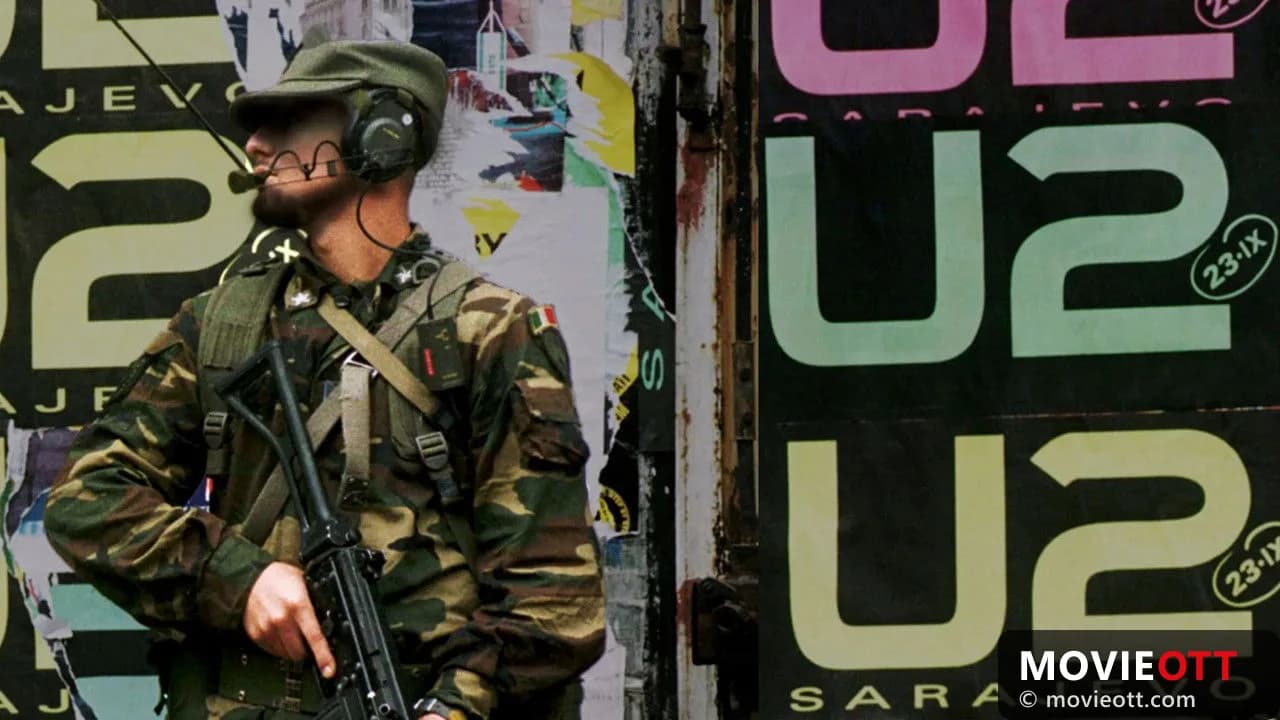
Kiss the Future is a 2024 documentary that centres on one of the longest city sieges in modern warfare — the Siege of Sarajevo, which lasted from 1992 to 1996 during the Bosnian War — and asks a question that sounds almost naive until the film answers it: can art actually save people? Not metaphorically. Literally. The film traces how a city under constant sniper fire and artillery bombardment refused to surrender its cultural identity, and how musicians, painters, and activists used creativity as a direct act of defiance against nationalist violence. Running 103 minutes, it's a film that earns every one of them. The story is anchored partly by the band U2 and the humanitarian figures who risked a great deal to keep Sarajevo connected to the outside world during its darkest years.
How Kiss the Future came together — production and recognition
Directed by Nenad Cicin-Sain, Kiss the Future had its world premiere at the Sundance Film Festival in January 2023, which gave it immediate credibility as a piece of serious documentary filmmaking. The film was produced with involvement from Bono and other figures connected to U2, which partly explains the band's prominent role in the narrative — though it's worth noting that the documentary doesn't feel like a vanity project. Variety reported that the film was acquired for distribution following its Sundance debut, and it received a wider release in 2024.
The documentary draws on archival footage from the siege itself, interviews with Sarajevo survivors, artists, and activists, and firsthand accounts from journalists and aid workers who were present during the conflict. Bill Carter — whose own efforts to connect Sarajevo to the outside world became a catalyst for U2's involvement — is one of the film's most compelling interview subjects. Carter famously smuggled footage out of the besieged city and eventually convinced the band to broadcast live satellite feeds from Sarajevo during their 1993 Zooropa tour, bringing international attention to a war that much of the Western world was watching from a comfortable distance.
The film carries an IMDb rating of 6.4 out of 10, which honestly undersells it — documentary ratings on IMDb tend to skew lower than the films deserve, partly because the audience self-selects toward genre fiction. There's no widely published Metascore or Rotten Tomatoes consensus score that I can confirm with certainty, but the Sundance reception was strong enough to drive acquisition interest almost immediately.
Why Kiss the Future stands out from other war documentaries
What's striking is how the film refuses to treat Sarajevo's cultural resistance as a footnote to the military and political history. Most war documentaries — even good ones — push art to the margins, treating it as human-interest colour around the harder news. Kiss the Future inverts that. The art is the argument.
There's a sequence in the film involving the Sarajevo cellist Vedran Smailović, who famously played Albinoni's Adagio in the ruins of bombed buildings for 22 consecutive days to mourn 22 civilians killed in a marketplace massacre. The film doesn't just mention this — it sits with it, letting the absurdity and the courage of that act register fully before moving on. That's the kind of editorial patience that separates a thoughtful documentary from a competent one.
The film also doesn't let U2 off easy, which is interesting given the production's connections to the band. There's a real tension in the footage — between the genuine solidarity Bono and the band expressed and the limits of what a rock concert could actually do for people being shelled. The documentary holds both things at once without resolving them neatly, and that ambiguity is where it earns its moral seriousness. Movie OTT editorial staff flagged this as one of the more thoughtful treatments of celebrity humanitarianism in recent documentary filmmaking.
The nationalism thread running through the film is worth paying attention to, especially now. The film draws clear lines between the weaponisation of ethnic identity and the violence that followed — lines that don't feel historical so much as instructional.
Where to stream Kiss the Future online
Kiss the Future is currently available on major OTT platforms, and the quickest way to find out exactly where it's streaming in your region is to check the Where-to-Watch widget at the top of this page, which Movie OTT updates in real time as licensing deals shift. Streaming rights for documentary films move around more than most people realise — a title that's on one platform this month may migrate in 90 days — so live tracking matters. Movie OTT monitors availability across the major streaming services so you're not hunting through dead links. If you're outside the US, regional availability may differ, and the widget will reflect that. The film runs 103 minutes, so it fits comfortably into an evening watch.
Frequently asked questions
Q: Who directed Kiss the Future?
Kiss the Future was directed by Nenad Cicin-Sain. The film premiered at the Sundance Film Festival in January 2023 before receiving wider distribution in 2024.
Q: Is Kiss the Future based on a true story?
Yes — entirely. The documentary draws on real events from the Siege of Sarajevo between 1992 and 1996 during the Bosnian War, including Bill Carter's efforts to connect the city to the outside world and U2's live satellite broadcasts from Sarajevo during their Zooropa tour.
Q: Where can I watch Kiss the Future?
Kiss the Future is available on major OTT streaming services. For the most current and region-specific information, check the Where-to-Watch widget on this page — movieott.com tracks live availability so you always get an accurate answer.
Q: How long is Kiss the Future?
The film has a runtime of 103 minutes, making it a single-sitting documentary that doesn't overstay its welcome.
Q: What is Kiss the Future's IMDb rating?
As of 2024, Kiss the Future holds an IMDb rating of 6.4 out of 10. Documentary films often rate lower on IMDb than their critical reception would suggest, and the film's Sundance debut drew considerably warmer responses than that number implies.
Who should watch Kiss the Future
Anyone who thinks music can't matter in a crisis should watch this film. It won't convince you with sentiment — it'll convince you with evidence. Kiss the Future works as history, as a meditation on nationalism's dangers, and as a case study in what art can actually do when everything else has failed. It's not easy viewing. But it's the kind of documentary that stays with you well past the credits, and that's rarer than it should be. Check current streaming options via Movie OTT and clear 103 minutes on your calendar.