







The Story of Kursk: When a Naval Exercise Becomes a Tragedy
On August 12th, 2000, a routine Russian naval exercise in the Barents Sea turned catastrophic. The K-141 Kursk, a nuclear-powered submarine carrying 118 crew members, suffered a serious accident and sank to the seafloor. What follows isn't just a story about mechanical failure or the physics of deep-water rescue—it's about the gap between what governments say happened and what actually did, the families demanding answers, and a handful of people willing to risk everything to bring those sailors home. Thomas Vinterberg's Kursk captures this moment with the kind of tension that doesn't need explosions to feel urgent. The men trapped below have limited oxygen. The clock is ticking. And nobody at the top seems to want to admit how bad things really are.
Behind the Making of Kursk: A Star-Studded Cast Faces Real-World Obstacles
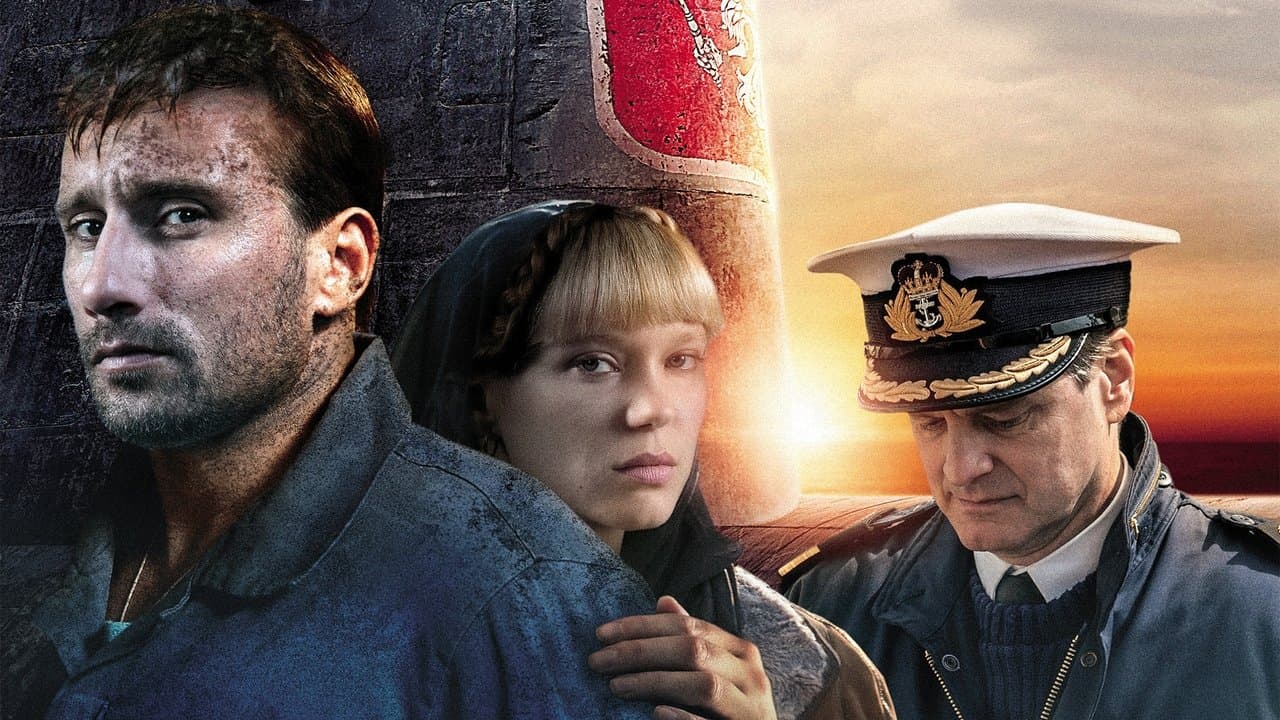
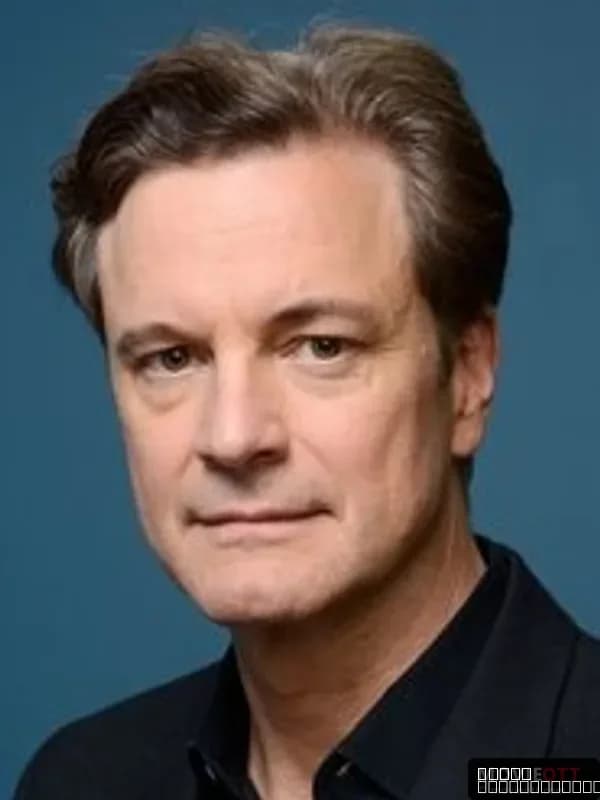
Kursk arrived in 2018 as a European co-production from Belga Productions, VIA EST, and EuropaCorp, directed by the Danish filmmaker Thomas Vinterberg, whose previous work had shown he could handle intimate human drama alongside larger historical canvases. The film's ensemble cast reads like a who's-who of prestige cinema: Matthias Schoenaerts carries the weight of the trapped sailors, while Léa Seydoux brings raw emotion as a wife searching for truth. Colin Firth plays a British naval officer attempting to navigate Russian bureaucracy to authorize a rescue mission. Max von Sydow—in what would be his final film released during his lifetime—lends gravitas as a military official. August Diehl and Peter Simonischek round out a cast that commands respect without needing star power to sell tickets.
The film runs 118 minutes and carries a PG-13 rating, making it accessible to a wider audience than some disaster films manage. What's striking is that the production itself ran into the kind of institutional resistance that mirrors the film's plot: the Russian Ministry of Defence delayed providing a filming permit, reportedly concerned about classified information and locations being exposed. Life imitating art, in the worst possible way. The film earned a 72% on Rotten Tomatoes and a Metascore of 55, landing it in that critical sweet spot where serious film critics took it seriously even if consensus wasn't unanimous. Movie OTT tracks where Kursk streams across multiple platforms, making it easier to find than the truth about what actually happened in the Barents Sea.
What Makes Kursk Stand Out: Performance and the Fog of War
Vinterberg doesn't rely on melodrama to tell this story. Instead, he splits the narrative between those trapped underwater—where the tension is physical, claustrophobic, almost unbearable—and those on the surface trying to coordinate a rescue while navigating political minefields. Schoenaerts and Diehl manage to convey the psychological weight of men facing their own mortality without falling into cliché. There's a scene where the trapped sailors realize their situation with brutal clarity, and the performances don't need to scream about it. They just know. The thing nobody mentions is how much of the film's power comes from what we don't see—the submarine disaster itself happens off-screen, and we're left piecing together what went wrong through radio chatter and official denials.
Seydoux's work as a wife demanding answers cuts through the bureaucratic noise. She's not playing a victim waiting for rescue; she's playing someone who refuses to accept the official story because she knows her husband is still alive down there. Colin Firth, meanwhile, has to carry the frustration of an outsider—a British officer with the technical expertise to help but blocked at every turn by Russian officials who'd rather let men die than admit something went wrong. The film doesn't shy away from showing how incompetence, pride, and political calculation can be more deadly than any mechanical failure. It's that tension between what's true and what's being said that makes Kursk work as both a thriller and a tragedy.
Where to Stream Kursk Online
Kursk is available on major OTT services, and the "Where to Watch" widget at the top of this page will show you exactly which platforms currently carry it in your region. Streaming availability shifts, but this 118-minute drama has found a permanent home across multiple services—which is fitting, given how hard people had to fight just to tell this story. If you're looking for a film that doesn't require you to shut your brain off but also won't feel like homework, this is worth tracking down.
Frequently Asked Questions
Q: Is Kursk based on a true story?
Yes. The film is based on Robert Moore's book A Time to Die and chronicles the actual 2000 sinking of the K-141 Kursk submarine in the Barents Sea, where 118 crew members were lost. While some scenes are dramatized for narrative purposes, the core events and the political obstacles to rescue are historically grounded.
Q: Who directed Kursk?
Thomas Vinterberg directed Kursk. The Danish filmmaker is known for balancing intimate character work with larger historical narratives, bringing both emotional depth and technical precision to the disaster film genre.
Q: What's the runtime and rating of Kursk?
Kursk runs 118 minutes and is rated PG-13, making it accessible to a broad audience while still handling mature themes of death, political failure, and moral compromise.
Q: Why was the Kursk submarine disaster so significant?
The 2000 Kursk disaster exposed deep problems in Russian naval operations and the government's handling of crisis situations. The initial denials, the slow response to rescue attempts, and the loss of all 118 crew members made it a watershed moment in modern Russian history—and a symbol of institutional failure that still resonates today.
Q: Who are the main cast members?
Matthias Schoenaerts leads as one of the trapped sailors, with Léa Seydoux, Colin Firth, August Diehl, Peter Simonischek, and Max von Sydow (in his final released film) rounding out an impressive ensemble cast.
Final Thoughts on Kursk: A Disaster Film That Asks Hard Questions
Kursk doesn't offer easy answers or Hollywood redemption. It's a film about systems failing, about pride preventing rescue, about families left in the dark. What makes it worth watching isn't spectacle—it's the quiet realization that sometimes the real disaster isn't what happens underwater. It's what happens in the rooms where decisions get made. If you're drawn to historical dramas that don't flinch from uncomfortable truths, or if you want to understand a pivotal moment in recent Russian history, this belongs on your watchlist.