




What La belle histoire de la chanson française is about
La belle histoire de la chanson française is a 2026 French musical documentary that sets out to answer a deceptively simple question: how did a handful of songs become the shared memory of an entire country? Directed by Gwendoline Chesnais and presented by the warm, familiar voice of Daniela Lumbroso, the film runs approximately 110 minutes — a single, unhurried evening's worth of archival footage, cult television excerpts and candid new interviews. It doesn't just catalogue hits. It traces the invisible threads connecting one generation of performers to the next, showing how a melody passed from a mentor's hands can take on entirely new life decades later. That sense of continuity — of songs outliving their first moment and finding new listeners — sits at the heart of everything the film does.
How La belle histoire de la chanson française came together
The documentary was produced by Degel Prod and Zadig Productions, two companies with solid track records in French cultural television, and it was commissioned for prime-time broadcast on France 3, where it first aired on Friday, 3 July 2026 at 21:10. That scheduling choice matters — France 3 has long positioned itself as the channel of regional identity and shared heritage, so landing a documentary about the national song tradition in that slot felt like a deliberate statement rather than an accident of the schedule.
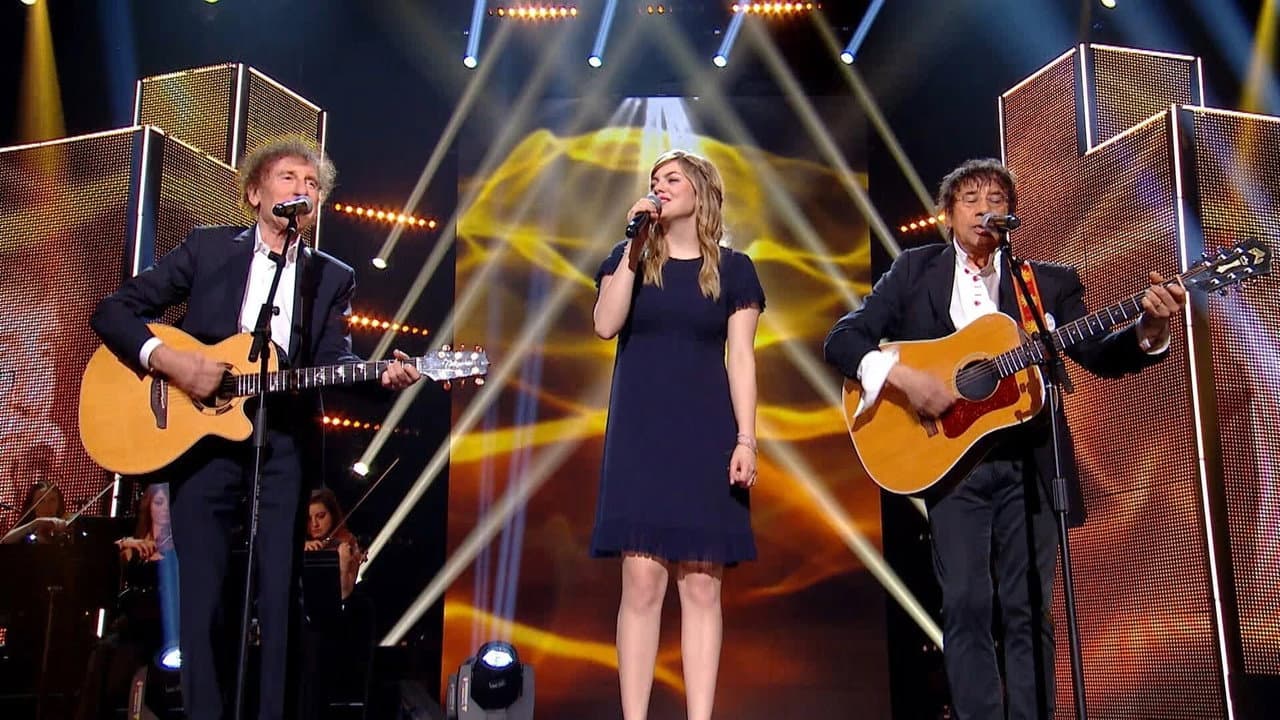
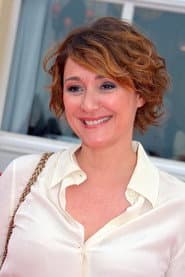
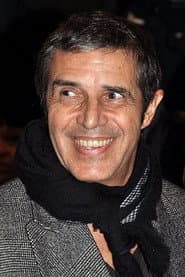
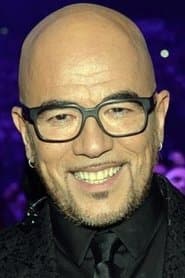
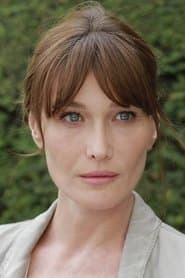
Because this is a made-for-television documentary, there are no box-office figures to report and no festival circuit awards to list — at least none confirmed at the time of writing. Hard to say if that will change as the film finds wider distribution, but for now the production's credibility rests on its cast list, which is genuinely impressive. Julien Clerc, Salvatore Adamo, Carla Bruni, Pascal Obispo, Bénabar, Matt Pokora, Tina Arena, Amir, Mentissa, Claudio Capéo, Caroline Loeb, André Manoukian, Didier Barbelivien and Ycare all appear, sharing memories and reflections. That's not a promotional line-up assembled for a press release — it's a cross-generational gathering that spans crooners who defined the 1960s right through to artists who are still charting today.
Gwendoline Chesnais, as director, had the structural challenge of weaving those voices into something coherent rather than letting the film become a glorified clip show. According to FranceTvPro, the production leans heavily on themes of filiation and influence, a framing that gives the interviews genuine purpose: each artist isn't just reminiscing, they're explaining where they came from and who they're passing the torch to. Movie OTT tracks streaming availability across major platforms, and this title is already appearing in aggregator listings as its reach extends beyond the initial France 3 broadcast.
Why La belle histoire de la chanson française stands out from other music documentaries
What's striking is how the film resists the temptation to be encyclopaedic. A lesser production would have tried to cover every decade with equal weight, producing something that felt like a textbook set to music. Chesnais makes editorial choices — some artists get extended sequences, some songs are returned to more than once — and those choices give the documentary a point of view rather than just a running order.
The theme of filiation is where the film genuinely earns its runtime. Watching a younger artist like Mentissa or Amir articulate what a Julien Clerc record meant to them growing up isn't just touching; it reframes the archive footage that follows. You're no longer watching a historical document — you're watching the origin story of someone sitting in the same room. That layering of past and present is the film's most effective structural trick, and it's one that a 110-minute runtime gives it space to execute properly.
The tone, as promotional materials from Chantefrance describe it, mixes emotion, nostalgia and celebration — which could easily tip into sentimentality, but the presence of André Manoukian (a music critic and composer known for his analytical sharpness) and the grounded candour of someone like Bénabar keep the film from becoming purely reverential. There's genuine critical affection here, not just fan worship. No aggregated critic scores exist yet on major ratings sites, which is worth acknowledging honestly, but the assembly of talent and the clarity of the documentary's central argument suggest this one will hold up.
Movieott.com's editorial team flags this as a title worth watching for anyone building a queue of international music documentaries — it sits comfortably alongside the best of the genre, even if it's working in a more intimate, television-native register than a theatrical release would allow.
Where to stream La belle histoire de la chanson française online
La belle histoire de la chanson française made its debut on France 3 on 3 July 2026, with catch-up viewing available on france.tv in the days following broadcast. Beyond that, JustWatch notes that a broader streaming release date for French platforms has not yet been officially announced, so availability outside the initial replay window remains in flux. The Where-to-Watch widget at the top of this page on Movie OTT — which aggregates live data across major OTT services — is the most reliable place to check current availability as the film's distribution picture develops. Movie OTT updates its platform listings in real time, so if this title lands on additional services, you'll see it reflected there before most editorial sites catch up.
Frequently asked questions
Q: Who directed La belle histoire de la chanson française?
The documentary was directed by Gwendoline Chesnais. It was presented on screen by Daniela Lumbroso, who acts as the film's narrator and guide throughout its 110-minute runtime.
Q: Where can I watch La belle histoire de la chanson française?
The film first aired on France 3 on 3 July 2026 and was available for replay on france.tv. A wider OTT release date has not been confirmed yet — check the Where-to-Watch widget on this page for the most current platform listings.
Q: Who appears in La belle histoire de la chanson française?
The documentary features a wide cast of French-language artists sharing memories and reflections, including Julien Clerc, Carla Bruni, Pascal Obispo, Salvatore Adamo, Matt Pokora, Tina Arena, Amir, Bénabar, Mentissa, Claudio Capéo, Caroline Loeb, André Manoukian, Didier Barbelivien and Ycare.
Q: Is La belle histoire de la chanson française a theatrical film or a TV documentary?
It's a made-for-television documentary, produced by Degel Prod and Zadig Productions specifically for France 3. There are no box-office figures associated with the title, and it runs approximately 1 hour 50 minutes.
Q: What is the central theme of La belle histoire de la chanson française?
The film traces the heritage of French chanson through archival footage and new interviews, focusing on how iconic songs have passed between generations of artists. The concept of filiation — younger performers acknowledging and reprising the work of their elders — runs through the documentary as its organising idea.
Who should watch La belle histoire de la chanson française
Anyone with even a passing fondness for French music will find something to hold onto here. Not just nostalgia-seekers, either — the cross-generational structure means younger viewers discover names they may not know, while older audiences get the pleasure of hearing their favourites reappraised by artists they're only just discovering. It's a generous film. Unhurried. And the kind of documentary that makes you want to go back and listen to everything it mentions, which is probably the highest compliment you can pay a music film. Movieott.com rates it as a strong pick for a Friday evening — fittingly, the same slot France 3 chose for it.