




The story of Leonardo da Vinci: The Genius in Milan
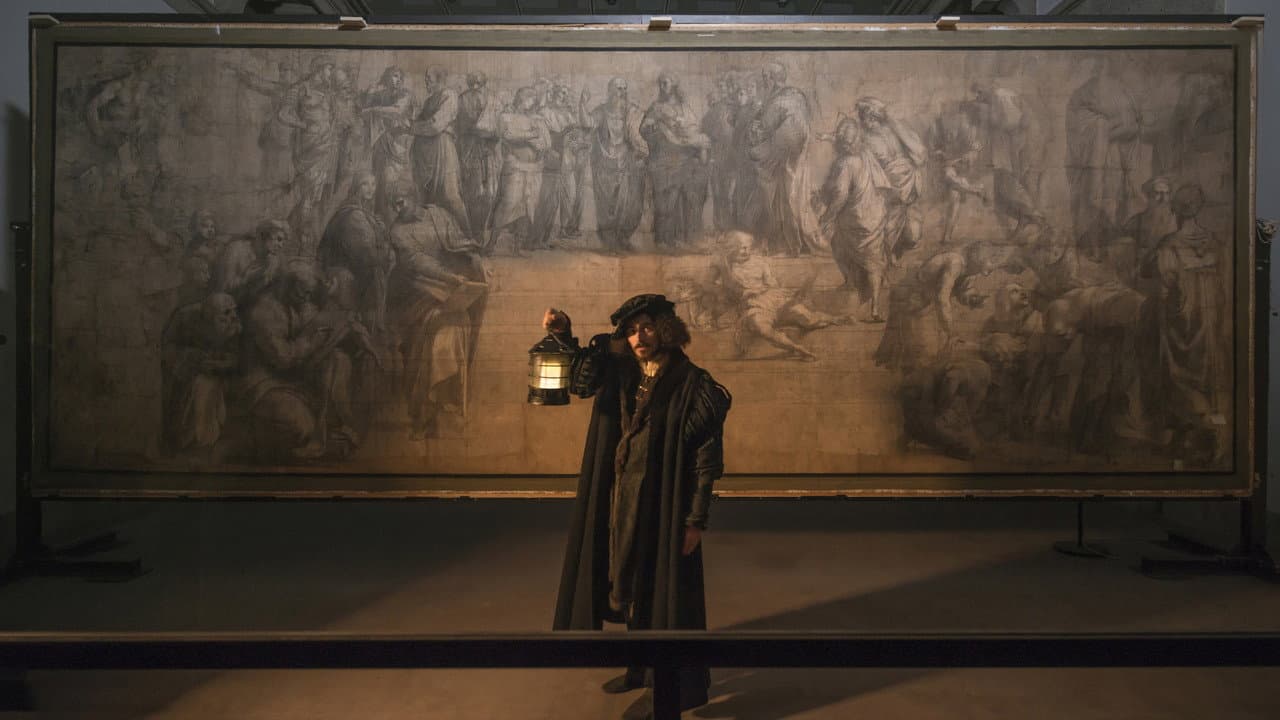
Leonardo da Vinci: The Genius in Milan isn't your typical biography. Instead of marching through dates and anecdotes, the film uses an exhibit of da Vinci's works as a window into how his mind actually worked. You're not watching someone narrate the artist's life from the outside—you're tracing the pathways of his thinking through paint, ink, and mechanical sketches. The documentary centers on his Milan period, a stretch when he produced some of his most ambitious and revealing creations. What makes this approach work is that it treats the paintings and drawings as primary sources, the real evidence of genius, rather than mere illustrations for a talking-head biography. It's a subtle but crucial difference.
The 78-minute runtime means there's no room for filler. Every minute counts, and the filmmakers clearly understood that. Rather than spreading themselves thin across his entire life, they've chosen to go deep on one city, one era, one concentrated burst of creative output. This focus reveals something you won't find in longer biographies—the interconnections between his art, his science, his engineering, his anatomical studies. It's all woven together in ways that feel organic rather than forced.
Behind the making of Leonardo da Vinci: The Genius in Milan
The film came together as a collaborative effort among Italian production houses Codice Atlantico, Rosso Film, and Skira Editore, with RAI (Radiotelevisione Italiana) providing broadcast support. This pedigree matters—these aren't fly-by-night producers. Skira Editore in particular is known for art-book publishing and curatorial work, which explains why the visual presentation feels less like a standard documentary and more like a carefully curated exhibition brought to life. The 2016 release date placed it well within the ongoing Renaissance revival in popular culture, though it never feels like it's chasing trends.
With an IMDb rating of 8.5 out of 10, the film has earned genuine respect from viewers who appreciate rigorous, thoughtful documentaries. That's a strong rating for a specialized subject—it suggests the filmmakers found a way to make Renaissance art history compelling without dumbing it down or overselling it. The production values are clean and professional throughout. There's no melodrama, no manufactured tension, just the work and the thinking behind it. That restraint is actually harder to pull off than you'd think, especially when you're dealing with material that could easily become precious or overly reverent.
The film doesn't rely on celebrity narration or star power. Instead, it trusts the subject matter and the visual language of da Vinci's own creations to carry the weight. This choice—to step back and let the art speak—is both humble and confident. It respects the audience's intelligence and their ability to sit with complexity without needing it pre-digested.
What makes Leonardo da Vinci: The Genius in Milan stand out
What's striking is how the documentary refuses to separate da Vinci's different pursuits into neat categories. You don't get a "painting section" followed by an "engineering section"—instead, you see how his anatomical studies informed his portraits, how his understanding of water and light shaped both his canvases and his engineering sketches. That interconnectedness is the whole point, and it's where the film's insight really shines. Most people know da Vinci was a "Renaissance man," but knowing it intellectually and actually seeing it demonstrated are two different things.
The visual approach is restrained but effective. Rather than over-dramatizing the works or adding unnecessary animation, the filmmakers let the paintings and drawings occupy the frame. There's something almost meditative about it—you're not being rushed through a highlight reel. You're given space to actually look, the way you might stand in front of a painting in a museum and let your eye wander across it. That pacing won't work for everyone. If you're looking for fast cuts, dramatic music swells, and constant narrative momentum, this isn't your film. But if you want to understand how da Vinci's mind moved between disciplines, how a study of drapery connects to a study of flowing water, how his observations of nature fed directly into his art—you'll find it here.
The documentary also doesn't shy away from the incomplete, the fragmentary, the abandoned. Da Vinci left many works unfinished, and the film doesn't treat this as a failure or a tragedy. Instead, it presents the sketches, the studies, the half-realized ideas as evidence of a mind that was always moving forward, always asking the next question. That's honest and refreshing. I keep coming back to how the film treats failure and incompleteness not as flaws but as part of the creative process itself.
Where to stream Leonardo da Vinci: The Genius in Milan online
Leonardo da Vinci: The Genius in Milan is available across major OTT platforms, and you can check the Where to Watch widget at the top of this page to see exactly which services are carrying it in your region right now. Streaming availability shifts regularly, so it's worth checking Movie OTT to confirm the current platforms before you settle in to watch. The film's moderate runtime makes it perfect for a weeknight viewing—you can finish it in under 80 minutes without feeling rushed. Whether you're accessing it through a subscription service you already have or discovering it anew, the documentary deserves a full-screen viewing experience and your undivided attention. Don't try to multitask through this one.
Frequently asked questions
Q: Who directed Leonardo da Vinci: The Genius in Milan?
The film was produced by Codice Atlantico, Rosso Film, Skira Editore, and RAI, bringing together Italian expertise in art publishing and broadcasting to create a documentary that feels more like a curated exhibition than a traditional biography.
Q: Is Leonardo da Vinci: The Genius in Milan based on a true story?
Yes—it's a documentary that examines da Vinci's actual works and explores his creative thinking through the paintings, sketches, and designs he produced during his time in Milan. There's no dramatization or fiction involved.
Q: How long is Leonardo da Vinci: The Genius in Milan?
The documentary runs 78 minutes, a focused runtime that allows the filmmakers to explore da Vinci's Milan period in depth without unnecessary digression or padding.
Q: What makes Leonardo da Vinci: The Genius in Milan different from other da Vinci documentaries?
Rather than following a chronological biography, this film uses an exhibit of da Vinci's works to trace the pathways of his thinking, showing how his art, science, and engineering interests were deeply interconnected rather than separate pursuits.
Q: What's the IMDb rating for Leonardo da Vinci: The Genius in Milan?
The film holds an 8.5 out of 10 rating on IMDb, reflecting strong appreciation from viewers who value thoughtful, visually restrained documentaries that trust their audience's intelligence.
Final thoughts on Leonardo da Vinci: The Genius in Milan
If you're tired of documentaries that feel like they're trying too hard to entertain you, this one's worth your time. It's quiet, it's rigorous, and it trusts you to find the drama in watching a mind work across centuries. You don't need to be an art historian to appreciate it—just someone curious about how genius actually functions. Movie OTT makes it easy to track down where it's streaming, so there's no excuse not to give it a shot. At 78 minutes, it's a manageable commitment with genuine rewards.