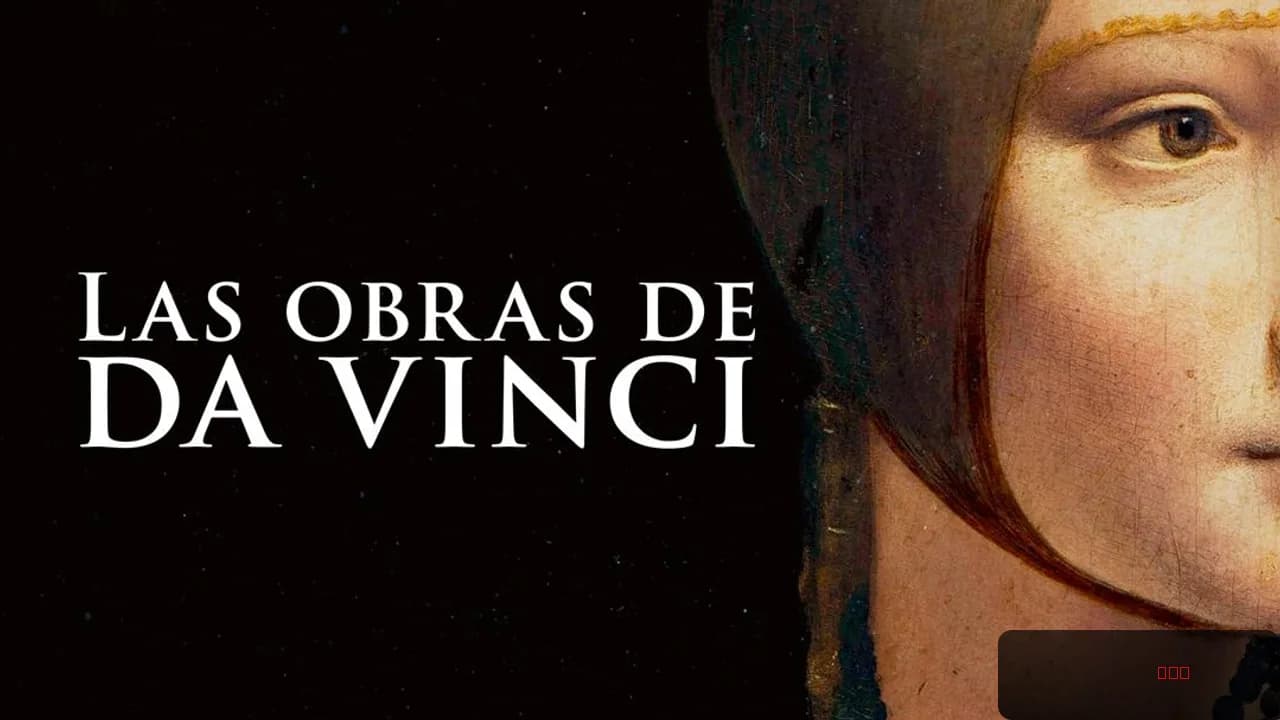
The Story of Leonardo: The Works
Phil Grabsky's Leonardo: The Works is a documentary that takes its premise seriously: marking five centuries since Leonardo da Vinci's death in 1519, the film offers viewers an extended meditation on the paintings that defined the Renaissance master's legacy. Rather than a conventional biography or survey, this is a work of visual contemplation—one that doesn't rush. The film moves methodically through some of history's most recognized canvases: The Mona Lisa, The Last Supper, and Virgin of the Rocks. It's an approach that trusts the audience to sit with these images, to notice what's often missed in reproduction and popular memory.
What makes this particular anniversary project distinctive is its restraint. There's no breathless narration racing through Leonardo's life story or breathless celebrity talking heads. Instead, Grabsky lets the paintings breathe, examining them as objects of genuine mystery—works that continue to puzzle art historians and viewers alike after five hundred years. The film's 101-minute runtime allows space for this kind of patient looking, which feels almost radical in an age of streaming content designed to be half-watched while scrolling.
Behind the Making of Leonardo: The Works
Leonardo: The Works emerged from a specific cultural moment: 2019, the quincentenary of Leonardo's death, sparked a global wave of exhibitions, symposiums, and media projects. Grabsky, a documentarian with a track record of art-focused cinema, positioned this film as part of that commemoration—but with a narrower focus than many anniversary projects typically employ. Rather than attempting a comprehensive biography, he concentrated on visual analysis, treating each painting as a text worthy of sustained attention.
The film features Glen McCready, whose narration guides viewers through the visual landscape without overwhelming it. McCready's role is deliberately understated; he's present but not dominant, allowing the artwork itself to remain the primary subject. This casting choice reflects the film's overall philosophy—that sometimes the best way to honor a master is to get out of the way.
Produced in the United Kingdom and released in 2019, Leonardo: The Works didn't generate the box-office buzz of theatrical releases, which isn't surprising for a documentary of this contemplative stripe. Its critical reception—reflected in an IMDb rating of 4.8/10—suggests the film has proven polarizing. Some viewers find its meditative pacing rewarding; others find it slow. That's not unusual for art documentaries, which tend to attract either devoted enthusiasts or restless audiences expecting something more conventionally narrative. What's worth noting is that critical reception scores for documentary films, particularly those focused on visual analysis rather than dramatic storytelling, don't always reflect their actual impact or value to the right audience.
What Makes Leonardo: The Works Stand Out
Here's the thing about approaching Leonardo da Vinci in 2019: almost everyone already knows what the Mona Lisa looks like. We've seen it reproduced on coffee mugs, t-shirts, and countless memes. The Last Supper has been photographed, analyzed, referenced, and parodied beyond measure. So what's left to say? Grabsky's answer is deceptively simple: look again. Look harder. Look differently.
The film's strength lies in its refusal to treat these paintings as settled historical objects. Instead, it engages with them as ongoing mysteries. Why does the Mona Lisa's smile provoke such endless interpretation? What compositional choices make The Last Supper still feel dramatically alive despite its age and deterioration? These aren't rhetorical questions in Grabsky's hands—they're genuine investigations. By focusing the camera on details, textures, and spatial relationships, the documentary reveals dimensions that mass reproduction flattens away.
What's striking is how the film trusts its audience. It doesn't condescend with pop-psychology explanations of Leonardo's genius or dramatized recreations of his studio. Instead, it operates on the assumption that viewers are capable of sustained visual attention—that we can find meaning in looking closely at a painting for several minutes without someone explaining what we're seeing. That's a bold bet, honestly. It won't work for everyone, and the IMDb score reflects that reality. But for viewers who've ever stood in front of an original work and felt something shift in their understanding, Leonardo: The Works speaks to that experience.
Where to Stream Leonardo: The Works Online
Leonardo: The Works is currently available on Prime Video, making it accessible to anyone with an Amazon subscription. The documentary's contemplative nature actually suits the home-viewing experience reasonably well—this isn't a film that demands a theatrical screen, though it would certainly benefit from one. Watching on a television or monitor, you can pause, rewind, and sit with individual images as long as you need. That flexibility aligns with the film's own philosophy about patient looking.
For current streaming availability and to confirm where this title is playing in your region, Movie OTT maintains an up-to-date tracker across major platforms. If you're looking to stream art documentaries or Leonardo-focused content, Movie OTT's search function can help you find similar titles and their current homes. The "Where to Watch" widget at the top of this page shows real-time availability, so you'll know exactly where to find it before you click play.
Frequently asked questions
Q: Who directed Leonardo: The Works?
Phil Grabsky directed the film. Grabsky is known for art-focused documentaries that emphasize visual analysis over conventional biographical narrative.
Q: What's the runtime of Leonardo: The Works?
The film runs 101 minutes, giving it enough time to examine its subject matter without excessive length.
Q: Is Leonardo: The Works available to stream?
Yes, it's currently available on Prime Video. Check the Where to Watch widget on this page for the most current platform availability.
Q: What paintings are featured in Leonardo: The Works?
The documentary focuses on Leonardo's most iconic works, including The Mona Lisa, The Last Supper, and Virgin of the Rocks.
Q: When was Leonardo: The Works released?
The film was released in 2019, marking the 500th anniversary of Leonardo da Vinci's death in 1519.
Final Thoughts on Leonardo: The Works
Leonardo: The Works won't appeal to everyone—and that's okay. It's a film for viewers who don't mind sitting with images, who can find richness in visual contemplation, who don't need constant explanation. If you've ever felt frustrated by how reproduction diminishes great paintings, or if you're curious about what sustained looking at Leonardo's work might reveal, it's worth your time. The documentary respects both its subject and its audience. That kind of restraint is increasingly rare in documentary filmmaking, and it's worth seeking out.