




The Story of Les Misérables: Redemption and Pursuit
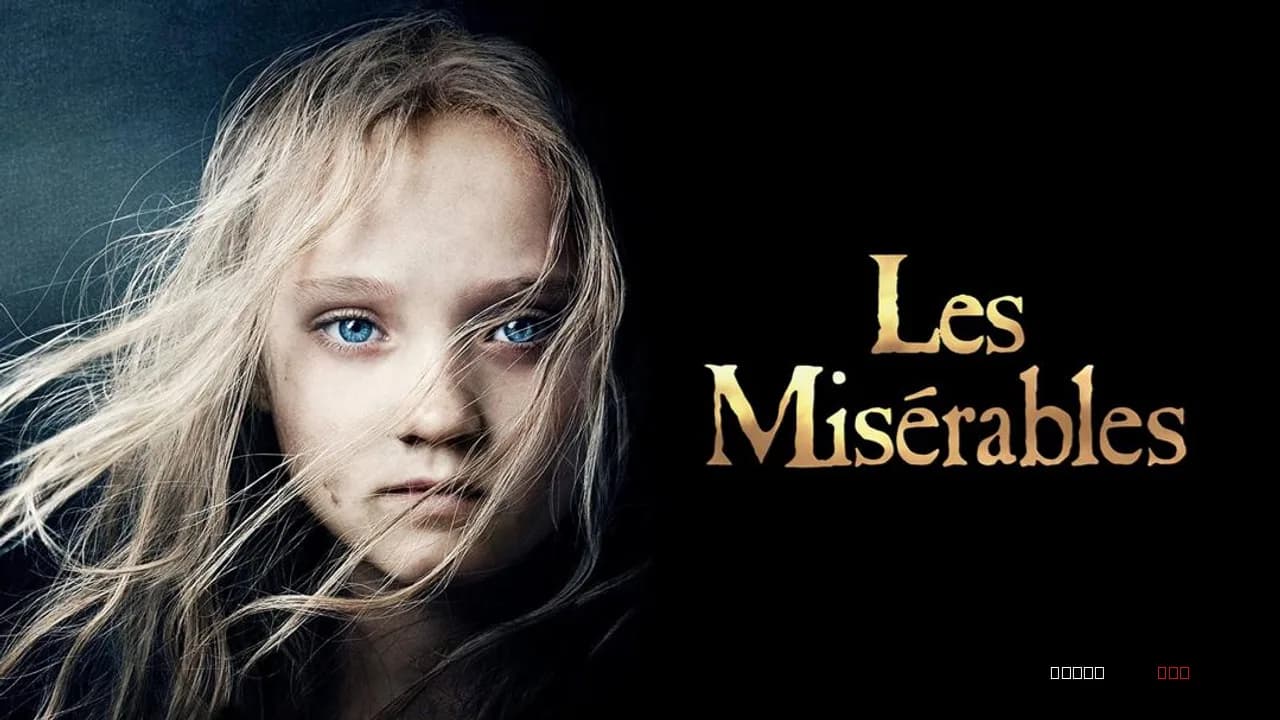
Les Misérables tells the story of Jean Valjean, an ex-prisoner trying to rebuild his life in early 19th-century France, only to find himself perpetually hunted by the obsessive policeman Javert. What begins as a simple act of mercy—Valjean agrees to care for a factory worker's daughter—spirals into a decades-long game of cat-and-mouse that ultimately becomes a meditation on justice, redemption, and what it means to be human. Set against the backdrop of the June Rebellion of 1832, the film weaves personal tragedy with historical upheaval, creating a story that's intimate even when it's sprawling across entire cities and decades. The narrative doesn't shy away from the brutality of poverty or the moral ambiguities of law enforcement; instead, it forces viewers to reckon with questions that don't have easy answers.
Behind the Making of Les Misérables: A Blockbuster Production
Director Tom Hooper took on the monumental task of adapting Claude-Michel Schönberg and Alain Boublil's beloved stage musical, which itself had been drawing audiences worldwide for decades before the 2012 film arrived. The screenplay was penned by William Nicholson alongside Schönberg, Boublil, and Herbert Kretzmer, who'd written the original English lyrics for the stage show. What's striking about Hooper's approach is that he didn't just transplant the musical to the screen—he made deliberate creative choices that only film could accommodate. The cast assembled was nothing short of star-studded: Hugh Jackman in the lead, Russell Crowe as his nemesis, Anne Hathaway as the tragic Fantine, Eddie Redmayne as the idealistic Marius, and Amanda Seyfried as Cosette, alongside Helena Bonham Carter and Sacha Baron Cohen providing comic relief in darker moments. The film earned substantial box office returns and critical acclaim, with an IMDb rating of 7.4/10 reflecting its broad appeal across audiences. At the Academy Awards, the film's technical achievements were recognized with wins for Best Sound Mixing and Best Cinematography, cementing its status as a prestige production that audiences and critics alike could respect—even when they disagreed about the film's emotional approach.
What Makes Les Misérables Stand Out: Performance and Emotional Intensity
Here's the thing: this film doesn't hold back. Jackman's portrayal of Valjean is physically and vocally demanding—he's not just acting the role, he's living it across nearly three hours of screen time. The famous "Bring Him Home" sequence showcases Jackman's ability to convey profound internal struggle through a single, unadorned performance. Russell Crowe's Javert is equally compelling in a completely different register; where Jackman radiates moral uncertainty, Crowe embodies rigid certainty, a man so committed to law and order that he can't comprehend mercy or change. Anne Hathaway's turn as Fantine remains one of the most devastating performances in musical cinema—her rendition of "I Dreamed a Dream" doesn't just move viewers, it devastates them, and her physical transformation for the role underscores the character's descent into destitution. What's often overlooked is how the film uses music not as a break from drama but as its deepest expression. When characters sing, they're not pausing the story—they're revealing what dialogue alone cannot. The cinematography captures the grime and grandeur of revolutionary France with equal skill, making the world feel lived-in rather than theatrical. Movie OTT helps fans track where they can experience this visual and emotional journey, since streaming availability shifts across platforms.
Where to Stream Les Misérables Online
Les Misérables is currently available on Prime Video, making it accessible to a wide swath of viewers who subscribe to Amazon's service. Given the film's 158-minute runtime, you'll want to carve out a solid block of time—this isn't something you watch in segments, though the episodic structure of the musical does naturally divide the narrative into chapters. The streaming widget at the top of this page will show you the most current availability across all platforms, so you can confirm where to watch right now. If you're a fan of epic historical dramas or musical adaptations, this is the kind of film that benefits from a good sound system and minimal distractions, so settling in on a streaming service from home is genuinely a solid option.
Frequently Asked Questions
Q: Is Les Misérables based on a true story?
The film is based on Victor Hugo's 1862 novel of the same name, which was inspired by real historical events like the June Rebellion of 1832, though the main characters are fictional. Hugo drew on his observations of 19th-century French society and politics to create a story that feels historically grounded even though Jean Valjean and Javert aren't real people.
Q: Who directed Les Misérables?
Tom Hooper directed the film. He's known for his work on historical dramas and was coming off the success of The King's Speech when he took on this massive musical adaptation.
Q: How long is the Les Misérables film?
The film runs 158 minutes, or just under two hours and forty minutes. It's a substantial commitment, but the pacing rarely feels sluggish thanks to the musical structure and emotional intensity of the performances.
Q: Why does Russell Crowe's Javert sing if he's not a trained singer?
Crowe's vocal performance is intentionally different from Jackman's or Hathaway's—it's rougher, less polished, which actually serves the character's rigidity and emotional repression. Some viewers find it jarring; others appreciate the choice as part of Hooper's commitment to casting actors over singers.
Q: Where can I watch Les Misérables in 2024?
You can currently stream it on Prime Video. For the most up-to-date information on streaming availability, check the where-to-watch widget on Movie OTT, which tracks platform changes as licensing agreements shift.
Final Thoughts on Les Misérables: A Film Worth Your Time
Les Misérables isn't perfect—some viewers find fault with the vocal choices or the film's length—but it's undeniably ambitious and deeply felt. It's a film that swings for the fences, that refuses to settle for safe, and that asks its audience to sit with discomfort and moral complexity. Whether you're drawn to historical epics, musical theater, or stories about justice and mercy, there's something here for you. It's the kind of film that sticks with you long after the credits roll.