




Leviticus
TL;DR: A genuinely unsettling Australian horror film about two queer teenagers hunted by a supernatural entity that wears their desire against them. Rated R, 88 minutes. Premiered at Sundance in January 2026. Critics gave it 95% on Rotten Tomatoes. Directed by Adrian Chiarella. Available on major streaming platforms now — check Movie OTT's tracker for what's live in your region.
The premise: Horror that actually means something
Here's what Leviticus does in its first act: it takes a genuinely clever monster concept — an entity that appears as the person you desire most — and refuses to let it be just a mechanism for jump scares. Instead, it uses that concept to ask something harder: what happens when the thing that's supposed to protect you (faith, family, community) becomes the thing that hunts you?
The film follows two teenage boys, Naim and Ryan, in a religious environment where their attraction to each other isn't just forbidden — it's positioned as demonic. The supernatural threat doesn't arrive from outside; it arrives from the collision between desire and institutional pressure. By the time you realize what the film is actually doing, you can't unsee it.
That tagline — "It will never stop" — isn't marketing copy. It's the thesis. For queer kids in certain contexts, the harassment doesn't end when you leave the church basement.
Why this film landed with critics (and why you should pay attention)
Adrian Chiarella wrote and directed this as what appears to be a debut feature. That shouldn't be possible — the confidence on screen, the tonal control, the way he holds horror and genuine tenderness in the same frame without either one eating the other. It's rare for a film 10 years out.
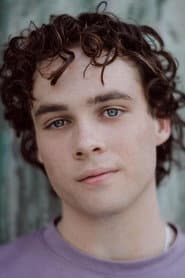
The cast is the first sign that someone believed in this project seriously. Joe Bird and Jeremy Blewitt carry the central relationship as Naim and Ryan. But the ensemble includes Stacy Clausen, Ewen Leslie, Davida McKenzie, Nicholas Hope, Zamira Newman, and Mia Wasikowska — and Wasikowska doesn't attach herself to just anything. When she shows up on a cast list, it signals the director knew what he was doing.
The production backing tells you the same story: Causeway Films, Salmira Productions, Screen Australia, and VicScreen. This wasn't a passion project shot on credit cards. Australian genre cinema has been building something quiet and serious for a decade now, and Leviticus feels like the moment it arrives.
January 23, 2026. That's when it premiered in Sundance's Midnight section — the slot the festival reserves for horror that actually matters. It played Sydney Film Festival after that, then hit theaters in Australia and the U.S. in June 2026, with Neon handling American distribution. 88 minutes. Rated R. And the critical response: 95% on Rotten Tomatoes, 83/100 on Metacritic across 13 reviews, which counts as universal acclaim by that platform's own math.
The IMDb audience score sits at 6.9/10, which is interesting — it suggests that once viewers beyond the festival circuit caught up with it, they responded differently than critics. That gap's worth noting. This film asks things of you.
What makes it work: The performances and the architecture
The monster concept alone — I keep coming back to this — would've been enough for a weaker film to coast on. An entity that takes the form of the person you love most is clever enough that a competent director could've mined it for 90 minutes of solid scares and called it a day.
Chiarella doesn't do that. What strikes me is how he treats conversion therapy not as backstory but as active, ongoing horror. The institutional pressure to "fix" Naim and Ryan isn't something that happened before the film started; it's happening now, in real time, alongside the supernatural threat — and the two become indistinguishable. The priest figure (Ewen Leslie carries this with terrifying quiet certainty) isn't a villain in the traditional sense. He's just someone whose faith has curdled into something controlling, and that's more frightening than any jump scare.
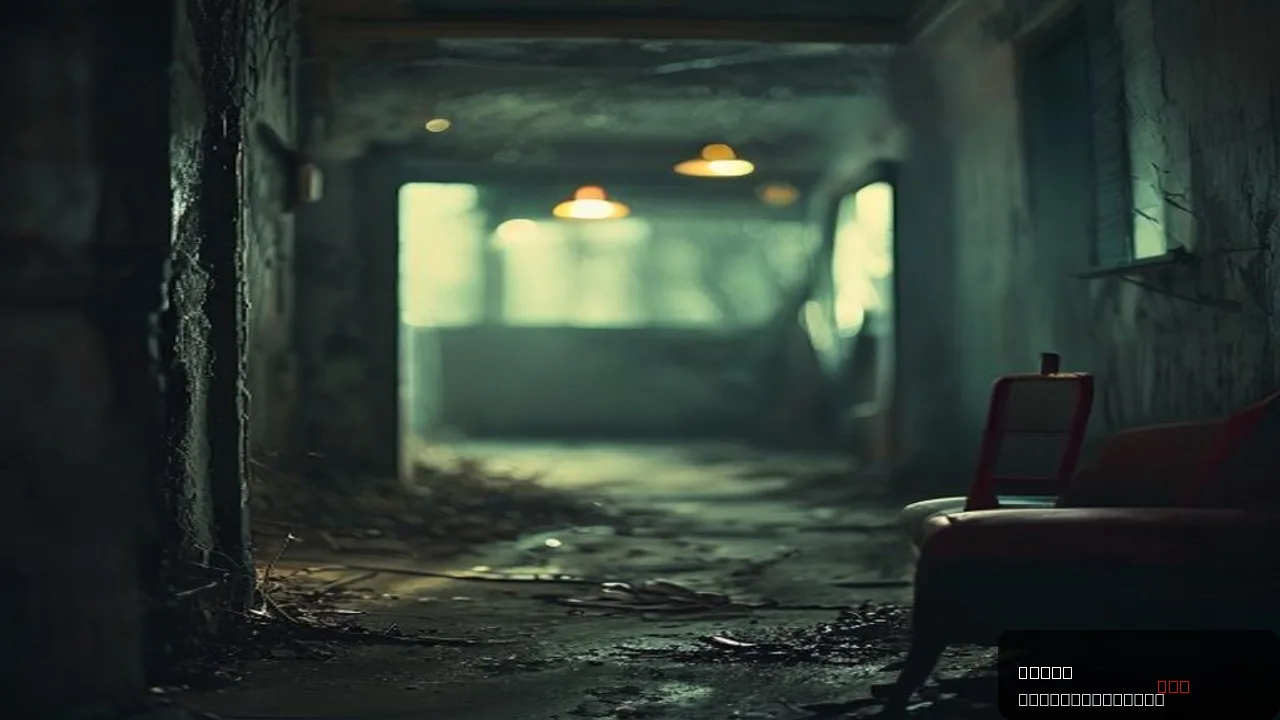
There's a scene early on — Naim and Ryan in what looks like a church anteroom, the light wrong in that way horror films make light wrong — where the chemistry between Bird and Blewitt does more work than exposition ever could. You don't need to be told they care about each other. You feel it. And then the film uses that against you.
The thing nobody mentions is how quiet the scariest moments are. Not jump scares — the slow recognition that something's wrong. A shape in the corner that doesn't move the way it should. A voice that sounds right but isn't quite. That restraint is what separates Leviticus from a dozen other creature features that came out that year.
Early reviews flagged this balance specifically — The Guardian, Slant Magazine, and The Hollywood Reporter all noted how the film holds romance and dread in the same frame. IndieWire called it "a strong contender for 2026's next horror sensation," which in retrospect feels accurate. The Rotten Tomatoes score backs that up.
Who should watch this (and a fair warning)
If you want horror that actually does something — that uses dread as a way of examining power, identity, and what institutions do to people they can't fit into boxes — this is exactly the film you've been waiting for. Lean. Focused. Uncompromising.
If you're looking for something that wraps up neatly, or that treats queer identity as background decoration rather than the central wound the film's examining — this probably isn't for you. It's R-rated. It's emotionally demanding. It doesn't offer comfort.
There's no direct comparison to pull from (that's part of what makes it work), but if you liked the psychological pressure-cooker of Ari Aster's work, or the way Karyn Kusama builds dread through character rather than spectacle, you'll recognize what Chiarella's doing here.
Where to find it (and what's coming next)
Leviticus is available now on major streaming platforms following its June 2026 theatrical run. Check the where-to-watch widget at the top of this page for current availability — it updates as rights shift between services. You can also use Movie OTT's streaming tracker to see what's live in your specific region without bouncing between four different apps.
Neon handles U.S. distribution, which means American audiences will see it migrate through various platforms as licensing windows close and open. A VOD window may still be coming in some territories (hard to say without knowing the exact deal structure), but Movie OTT will flag it the moment it does — they track these shifts in real time.
The 88-minute runtime means it's a film you can watch in one sitting without that three-hour commitment hanging over your head. And honestly, you'll want to watch it in one sitting. It builds.
Quick questions
Where can I watch it right now? Check the where-to-watch widget above, or visit Movie OTT for real-time regional availability across streaming services.
Is it based on a true story? No — original supernatural horror. But its themes around conversion therapy, religious homophobia, and the psychological toll of institutional repression draw from very real experiences that queer teenagers face. That's what gives it weight.
How long is it? What's the rating? 88 minutes. Rated R. Not a commitment, but emotionally demanding — it's not a film designed to be background noise.
Who directed it? Adrian Chiarella, in what appears to be his feature debut. Australian production, backed by Screen Australia and VicScreen, with distribution by Neon in the U.S.
How did critics respond? Very well. 95% on Rotten Tomatoes, 83/100 on Metacritic (universal acclaim), 6.9/10 on IMDb as the general audience caught up. The gap between critic and audience scores suggests it's polarizing — which makes sense for a film this uncompromising.