
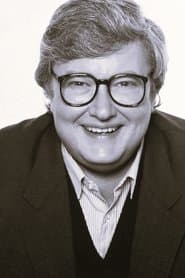



The Story of Life Itself: Roger Ebert's Unfinished Reel
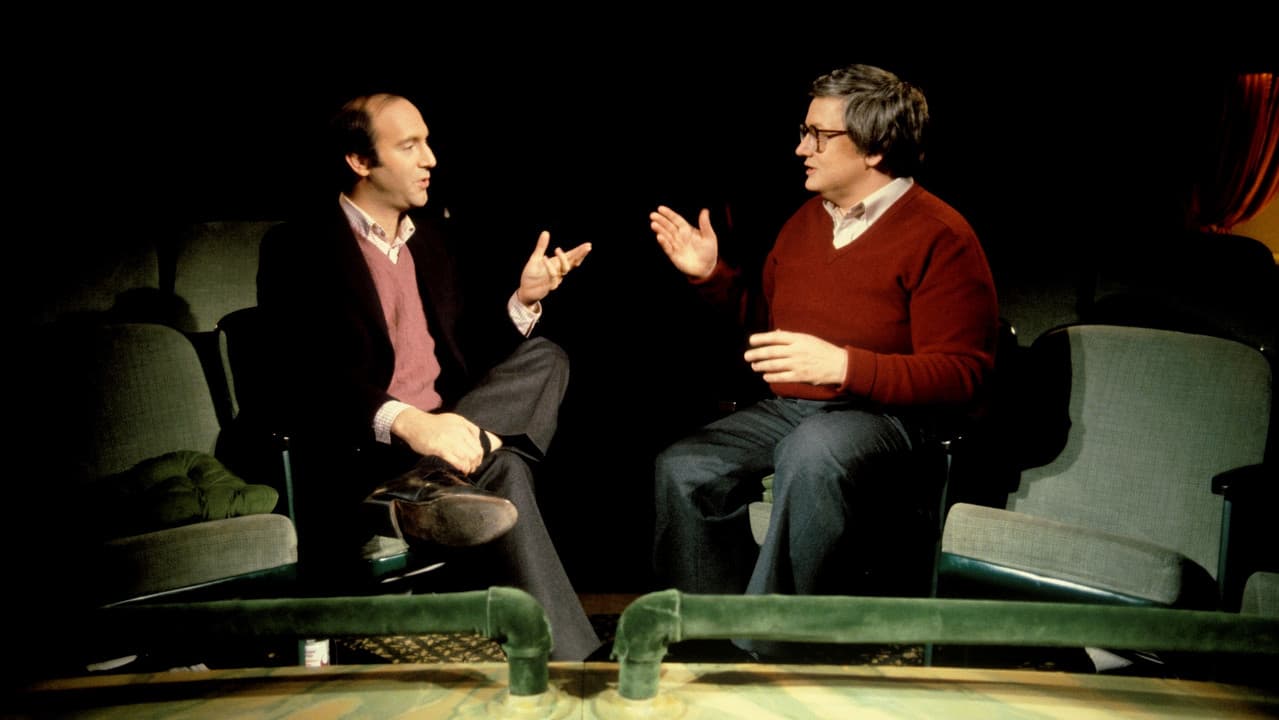
Life Itself tells the surprising and entertaining life of Roger Ebert (1942–2013), the Chicago film critic whose voice—whether printed, spoken, or typed—shaped how millions understood cinema. Directed by Steve James, the 2014 documentary doesn't just chronicle Ebert's career; it captures the man behind the byline: a freewheeling bachelor who won a Pulitzer Prize, a fiercely competitive partner in one of television's most famous feuds, and ultimately, a husband and thinker confronting mortality with grace and defiance. The film spans his early days as a swinging journalist, his famously contentious partnership with Gene Siskel on Siskel & Ebert, his life-altering marriage to Chaz, and his brave battle with cancer that left him unable to speak but no less passionate about film. What emerges isn't a hagiography. It's a portrait of a man who couldn't stop talking about movies—even when his body made talking impossible.
Behind the Making of Life Itself: Production, Awards, and Critical Acclaim
Life Itself premiered at the 2014 Sundance Film Festival before making its way to the 67th Cannes Film Festival, signaling immediately that this wasn't a standard cable biography. Director Steve James, known for his documentary work on subjects ranging from urban schools to street hustlers, brought a keen eye for human contradiction to Ebert's story. The film was produced by Zak Piper, James, and Garrett Basch under the banners of Kartemquin Films, CNN Films, Film Rites, and KatLei Productions—a multiplatform effort that reflected the project's ambition. Magnolia Pictures released it theatrically on July 4, 2014, alongside simultaneous video-on-demand availability, a distribution strategy that mirrored Ebert's own evolution from print to digital spaces. The documentary's critical reception was swift and overwhelming: it holds a 98% rating on Rotten Tomatoes, a Metascore of 87, and an IMDb rating of 7.8 from over 16,600 viewers. The film earned 29 wins and 35 nominations across major festivals and awards bodies, cementing it as one of the defining documentaries of the 2010s. Rated R for language and thematic content, Life Itself runs 121 minutes—long enough to breathe, short enough to hold you.
What Makes Life Itself Stand Out: Why This Documentary Transcends Biography
What's striking about Life Itself isn't just that it documents a famous critic's life—it's that it understands what made Ebert worth documenting in the first place. The film doesn't shy away from his contradictions: his youthful arrogance, his combative nature, his capacity for growth and humility. There's a scene early on where Ebert, in archival footage, is brash, even crude, confident in a way that feels almost reckless. Later, we see him transformed by love, by illness, by the sheer weight of living a full life. James captures the marriage between Roger and Chaz with particular tenderness—not as an afterthought to his career, but as its equal, perhaps even its superior. The interracial marriage itself carries historical weight (the film doesn't ignore this), but what matters more is how Chaz becomes his interpreter, his voice, his anchor when his own voice fails. The documentary also grapples with Ebert's relationship to Gene Siskel, that famous antagonism that became theatrical, even loving—two men who genuinely disliked each other yet shaped each other's legacies in ways neither could've predicted. I keep coming back to how the film treats Ebert's final years. Rather than mining tragedy for sentiment, it shows him continuing to write, to think, to engage with cinema until the very end. That's not uplift. That's just who he was.
Where to Stream Life Itself Online
Life Itself is available across major OTT platforms, making it accessible whether you're a longtime Ebert devotee or discovering him for the first time. Rather than hunting through multiple services, check the Where to Watch widget at the top of this page—it'll show you exactly which streaming platforms currently carry the film in your region. Movie OTT tracks availability across Netflix, Prime Video, and other major services, so you don't have to. The film's theatrical and VOD release strategy in 2014 means it's had years to find its way onto various platforms, so it's worth checking if you've got a subscription you already use. The documentary's 121-minute runtime makes it perfect for a single sitting, or you can pause and return—though honestly, you won't want to.
Frequently asked questions
Q: Is Life Itself based on a true story?
Yes—the documentary is based on Roger Ebert's 2011 memoir of the same name. Director Steve James adapts Ebert's own account of his life, supplementing it with archival footage, interviews with friends and colleagues, and intimate moments with Ebert himself during filming.
Q: Who directed Life Itself?
Steve James directed the film, with production from Zak Piper, James, and Garrett Basch. James is known for documentaries that explore complex human subjects with nuance and empathy, and that approach shines throughout this portrait of Ebert.
Q: What happened to Roger Ebert?
Ebert was diagnosed with cancer and eventually lost his ability to speak, yet continued writing and engaging with film until his death in 2013. The documentary doesn't treat this as tragedy alone—it shows how he adapted, persisted, and remained intellectually vital even as his body failed him.
Q: How long is Life Itself?
The documentary runs 121 minutes, giving plenty of time to explore Ebert's early years, his famous partnership with Gene Siskel, his marriage, and his final chapter.
Q: What's the critical consensus on Life Itself?
The film is nearly universally praised, holding a 98% Fresh rating on Rotten Tomatoes and a Metascore of 87. It won 29 awards and received 35 nominations across festivals and critics' organizations.
Final Thoughts on Life Itself
Life Itself is essential viewing for anyone who cares about film criticism, biography, or simply watching a human being navigate the biggest challenges life throws at you. It's a film about movies made by someone who understands that movies matter—not as escape, but as mirrors. Roger Ebert believed that cinema could change how we see ourselves and each other, and this documentary proves him right. Whether you're discovering Ebert for the first time or revisiting his legacy, this film will move you.