



The Story of Limitless
Edward Morra is stuck. A struggling writer living in New York City, he's unpublished, unemployed, and going nowhere fast—the kind of guy who can't even get a date to care about his future. Then an old acquaintance slips him a pill called NZT-48. Within hours, everything changes. Suddenly he can recall every book he's ever read, speak languages he's never studied, and see financial patterns invisible to everyone else. The transformation is intoxicating, and not just because of the drug. What Limitless explores, really, is the seductive promise of self-improvement—the idea that we're all just one magic solution away from becoming the person we're supposed to be. Of course, there's a catch. There's always a catch.
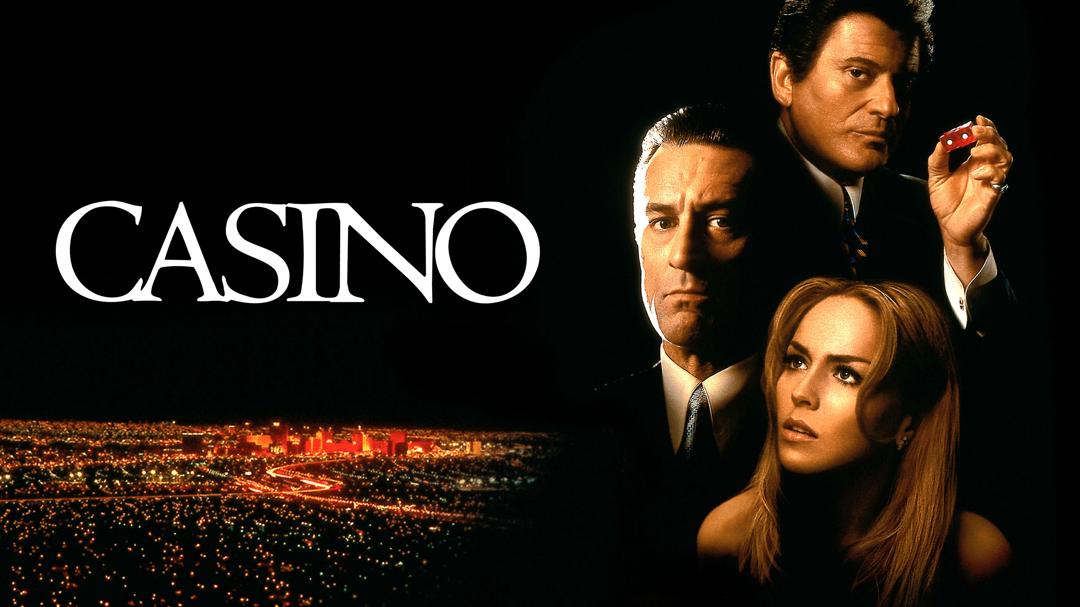
The film doesn't waste time with lengthy exposition. Within the first twenty minutes, Cooper's character has gone from pathetic to phenomenal, and the narrative shifts into thriller territory fast. People start chasing him. Money appears and disappears. He catches the eye of a powerful businessman played by Robert De Niro—a man who wants what Eddie has, or at least wants to understand how he got it. What unfolds is a cat-and-mouse game wrapped inside questions about ambition, identity, and whether the version of yourself that's chemically enhanced is actually you anymore.
Behind the Making of Limitless
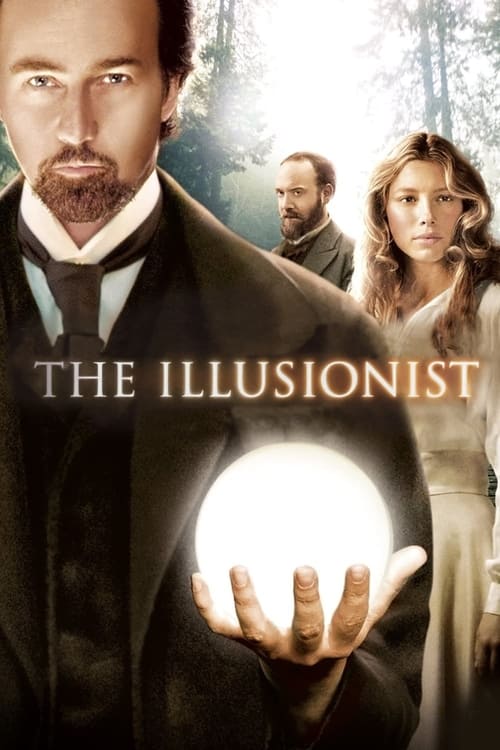
Limitless arrived in 2011 as an adaptation of Alan Glynn's 2001 novel The Dark Fields, with Leslie Dixon handling the screenplay. Director Neil Burger—who'd previously made The Illusionist—brought a visual style that matched the film's central metaphor: as Eddie's mind expands, the movie itself seems to accelerate, with split screens, rapid cuts, and a color palette that shifts from drab grays to electric golds and blues. It's a smart directorial choice that doesn't feel gimmicky, mostly because Burger knows when to pull back.
The cast around Bradley Cooper was carefully assembled. Robert De Niro, in a rare supporting role, carries real gravitas as Carl Van Loon, a financial titan who becomes Eddie's unlikely mentor and antagonist. Abbie Cornish plays Lindy, Eddie's love interest, with enough intelligence and skepticism to keep her from being a mere plot device. Rounding out the ensemble are Anna Friel, Andrew Howard, and Johnny Whitworth—each bringing texture to a world where trust is currency and everyone's got an angle.
Commercially, Limitless was a solid performer. The film earned $79.2 million worldwide, a respectable return for a mid-budget thriller that wasn't based on a franchise or superhero property. It earned a PG-13 rating, which helped its theatrical reach, though the film doesn't shy away from exploring darker implications of its premise. Awards recognition came in the form of two wins and eight nominations across various ceremonies, including recognition for its visual effects and editing—the technical craft that sells the concept of enhanced cognition to an audience.
What Makes Limitless Stand Out
Here's what's striking about Limitless: it works as both a thriller and as a surprisingly thoughtful meditation on ambition. Critics gave it a mixed-to-positive reception—Rotten Tomatoes sits at 68% Fresh, while Metascore landed at 59—but those numbers don't capture why the film has endured in streaming libraries and in conversations about smart sci-fi. The thing is, most of what Eddie accomplishes after taking NZT could theoretically be done without the drug. He reads more, he networks, he pays attention to detail. The pill is really just a narrative device for asking: what's stopping you right now? And that question—uncomfortable as it is—sticks with viewers long after the credits roll.
Bradley Cooper's performance is the film's backbone. He plays Eddie with a kind of manic energy that never tips into caricature. You believe his desperation at the start, you feel his intoxication with possibility in the middle, and you understand his paranoia by the end. There's a scene maybe forty minutes in where he's in a library, absorbing information at superhuman speed, and the camera just holds on his face as understanding floods across it. That's the movie working at its best—visual storytelling that doesn't need exposition.
What doesn't always land is the thriller machinery itself. The plot gets a bit convoluted in the third act, and some of the antagonists feel more like obstacles than fully realized threats. But that's almost beside the point. The real tension in Limitless isn't about whether Eddie will escape his pursuers—it's about whether he'll escape himself. The drug wears off. What happens then? That's the question that haunts the film, and it's why audiences keep returning to it, even when better thrillers exist.
Where to Stream Limitless Online
If you're ready to dive into Edward Morra's world, Limitless is currently available on Prime Video. You can check Movie OTT for real-time availability across all streaming platforms—the site tracks where films like this are actually accessible right now, which beats hunting through five different apps to find it. Since streaming catalogs shift constantly, that widget at the top of this page will show you exactly where to watch Limitless today, whether that's on Prime or elsewhere. The 100-minute runtime makes it an easy evening watch, and at PG-13, it's accessible without being dumbed down.
Frequently asked questions
Q: Is Limitless based on a true story?
No, but it's based on a novel. Limitless adapts Alan Glynn's 2001 thriller The Dark Fields, which was itself a work of speculative fiction. The premise is entirely fictional, though it taps into real anxieties about cognitive enhancement and pharmaceutical shortcuts to success.
Q: Who directed Limitless?
Neil Burger directed the film. He's also known for The Illusionist (2006) and brought a distinctive visual style to Limitless that uses editing, color, and split-screens to represent Eddie's enhanced mental state.
Q: What's the runtime of Limitless?
Limitless runs 100 minutes, making it a brisk, tightly paced thriller that doesn't overstay its welcome.
Q: Is there a Limitless TV series?
Yes—CBS developed a Limitless series that aired from 2015 to 2018, serving as a sequel of sorts to the film. It follows a different character but exists in the same universe with the same drug (NZT-48) at its center.
Q: What's the rating of Limitless?
The film is rated PG-13, meaning parental guidance is suggested for children under 13. It contains some violence, language, and thematic content about drug use, but nothing gratuitously graphic.
Final Thoughts on Limitless
Limitless works because it asks uncomfortable questions without pretending to have answers. It's a thriller, sure, but it's also a parable about the shortcuts we're all tempted to take, the versions of ourselves we'd like to buy, and the price of becoming someone new. Bradley Cooper's performance and Neil Burger's visual inventiveness elevate what could've been a disposable genre film into something that lingers. It's not perfect—the plot mechanics strain under their own complexity—but it's smart, it's engaging, and it's exactly the kind of mid-budget sci-fi that streaming platforms should be pushing. If you haven't seen it, now's the time.