




Little Creatures
2026 Brazilian drama | 100 minutes | Bananeira Filmes | Currently streaming
The setup: A family caught between two worlds
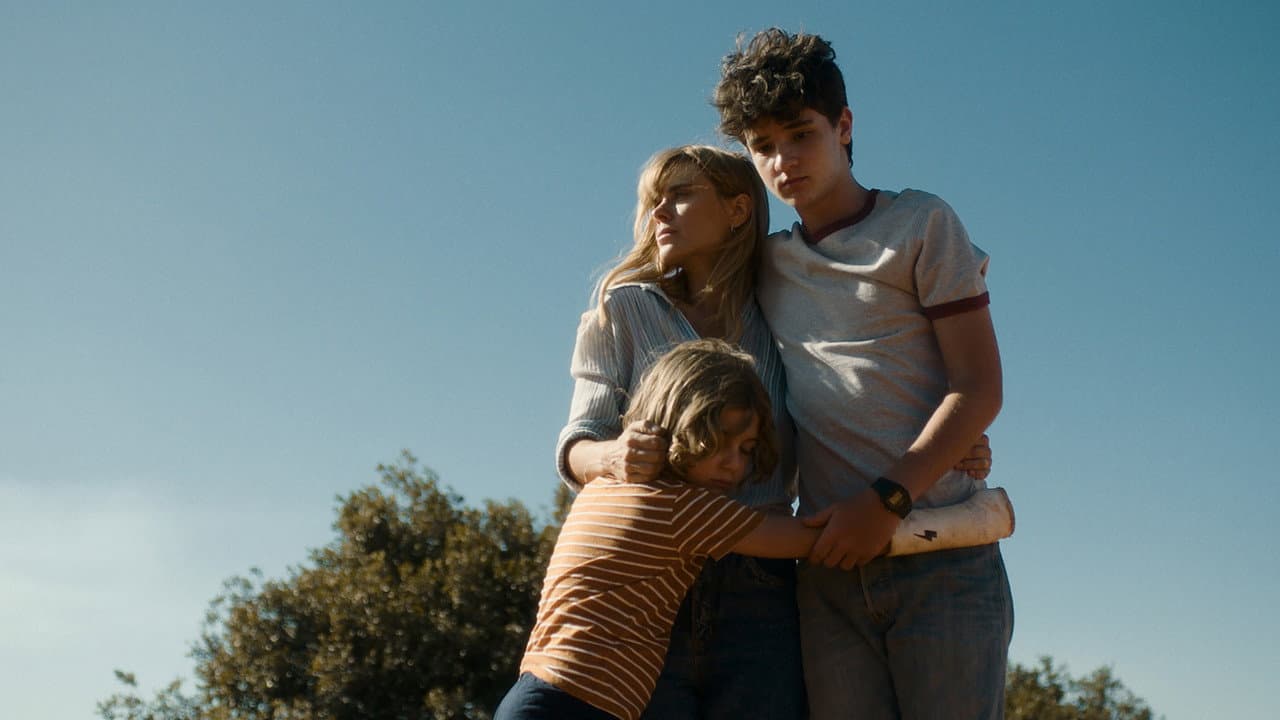
Brasília, 1986. Helena arrives in Brazil's modernist capital with her family just as the country sheds two decades of military rule—and immediately her husband leaves on a business trip. She's stranded in a city that feels like someone else's dream, all concrete and open sky, questioning every choice that got her here. Her teenage son is experiencing the particular electricity of first love. Her seven-year-old is doing what seven-year-olds do best: finding magic in the cracks of ordinary moments. Three people in one household, each living in a completely different version of 1986. The tension between what Brazil was and what it might become runs through every frame—and through each of them.
This isn't a film that rushes to resolve anything.
Why the 1986 setting matters more than you'd think
The thing nobody mentions about historical dramas set in real political moments is how much weight they gain from specificity. Brasília itself was barely twenty-six years old when Helena's story begins—a city designed from scratch to project optimism about Brazil's future, yet by the mid-eighties it had absorbed all the contradictions of a country emerging from authoritarian rule. The Nova República was less than a year old. That's not backdrop. That's the actual emotional climate the film lives in.
Bananeira Filmes, the production company behind this, has a track record with character-driven, socially observant work. They've reportedly leaned into authentic period design, and what's striking is how the film uses Brasília's modernist architecture not as scenery but as emotional argument: a city built to look like the future, housing people who aren't sure they have one.
The parallel works without the film having to spell it out. Helena and her family can't quite communicate across their own distances. Brazil can't either. You feel it rather than hear it explained.
Where to watch Little Creatures right now
Little Creatures is available on major streaming platforms, though availability shifts by region. Movie OTT tracks current listings across Netflix, Prime Video, and other services—worth checking before you settle in, since international licensing can change quarterly. If your region has it, most platforms offer subtitles or dubbed audio depending on where you are.
The 100-minute runtime means it's a solid evening watch without demanding a full night. No official MPAA rating has been assigned at time of writing, which is typical for international productions that premiere on streaming first. That said—given the themes of marital tension, adolescent relationships, and political displacement—it's pitched at older teens and adults rather than families.
What makes this drama actually work
Here's what I keep coming back to: the film doesn't explain Helena. She's frustrated. She's also capable of wonder, briefly, when her youngest drags her into his world of unlikely friendships and small discoveries. That oscillation is what makes her compelling rather than just sympathetic. Most films would choose a lane. This one doesn't.
The teenage son's storyline takes a risk. First love is cinema's most exhausted subject. But placing it inside a country experiencing something like a first love with its own freedoms gives it a frame that earns the sentiment. There's a scene early where he's out in the city at night, and the way the film holds on Brasília's wide streets around him makes the personal and political feel genuinely inseparable—not thematically convenient, but actually lived.
The seven-year-old's perspective is honestly the film's most daring choice. Children in drama tip into symbol so easily—the innocent who sees what adults can't. Little Creatures sidesteps that trap. The boy has a specific interiority rather than a representative one. We're watching a family that can't communicate across its own internal distances, set against a country with the same problem. The film just lets it breathe. Doesn't belabor it.
Is this the film for you?
If you're drawn to patient, specific cinema that doesn't rush toward resolution, yes. If you want a family story that doesn't sentimentalize its characters, definitely. If you're interested in how films use historical moments—not as wallpaper but as the actual air characters breathe—you should watch this.
Want to confirm streaming availability in your region? Check the where-to-watch tool on Movie OTT—it updates as platform listings change, which saves clicking through services one by one.
Next step: Confirm your platform, pick a night when you can sit with something quiet, and watch. It's the kind of film that rewards that kind of attention.