




Living Corpse: The 2026 Horror Anime That's Bringing Body Horror Back
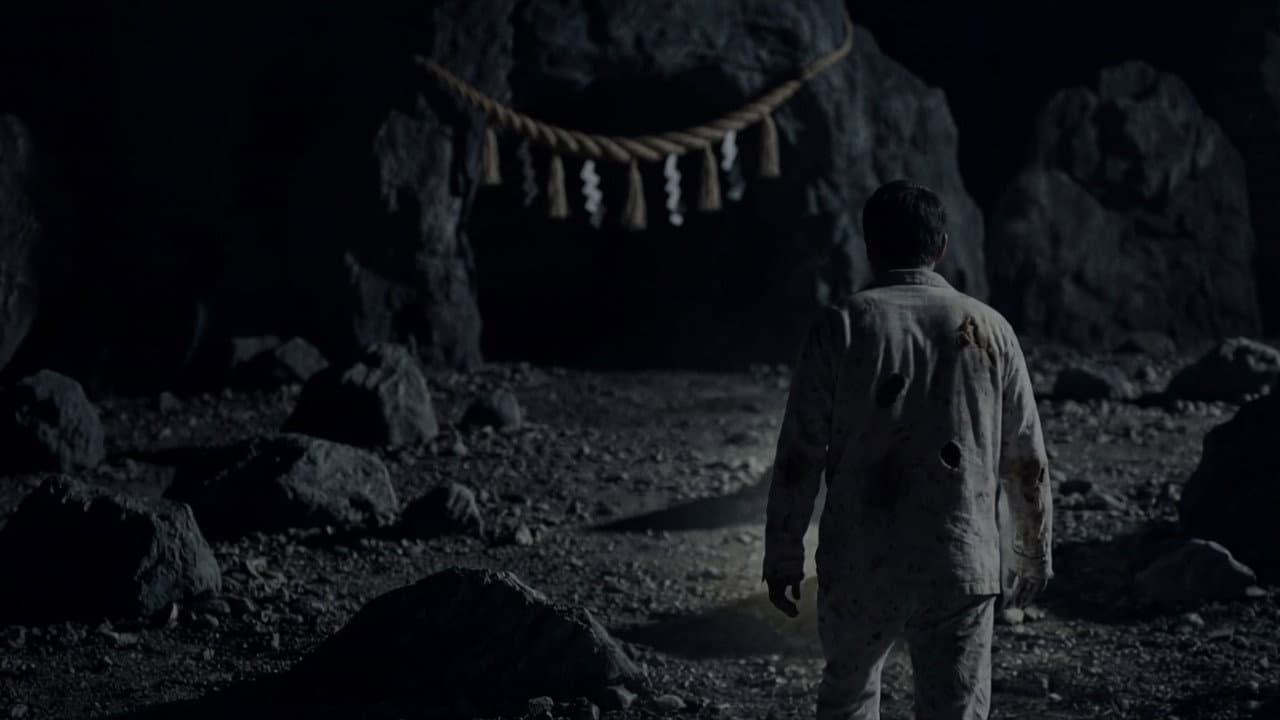
A man wakes up decomposing. No memory of who he is. No explanation for why he's been brought back to life only to rot away, piece by piece. That's Living Corpse, the 2026 animated horror film arriving in Japan on July 24, 2026 — and it's not interested in making you comfortable.
Director Takeshi Sone is adapting Hideshi Hino's 1986 horror manga of the same name, a work that sits deep in the ero guro tradition of Japanese grotesque fiction, where body horror isn't just shock value. It's existential dread made visual. Yosuke Shinkai — the protagonist — doesn't just look like he's dying. His decomposition is the story.
Why This Matters: Hideshi Hino's Grotesque Legacy Finally Gets the Animation It Deserves
You probably haven't read Hideshi Hino's manga. Most people haven't. But his name carries weight in horror circles — the artist behind Panorama of Hell and Hell Baby spent decades building a body of work that corners childhood trauma, bodily disgust, and a kind of bleak philosophical dread into every panel. His 1986 Living Corpse is one of those texts that gets referenced more than actually read, which makes an animated feature adaptation genuinely interesting as a cultural moment.
Here's the thing about adapting Hino to animation: live-action would normalize the imagery. Real human bodies would ground it in reality. Animation keeps the unreality intact — lets the rot look the way it looks in the manga. Thick, scratchy lines. Faces distorted beyond naturalism. Color palettes that feel diseased. That visual language is what Hino Productions is after with this project.
The 2012 animated film The Amazing Adventures of the Living Corpse attempted something adjacent and hit a wall: animation carries audience expectations that horror has to actively fight against. Sone's version, rooted in Hino's specific aesthetic, is working from much stronger source material. Movie OTT has tracked several attempted adaptations of Hino's work, and this is the first to pair his visual tradition with animation in a way that honors rather than translates the original.
What You're Actually Getting: A Man Caught Between Living and Dying
Yosuke Shinkai is the kind of protagonist that could easily tip into exploitation — a decomposing body, fragmented mind, no memory of his past. What's striking is that Hino never lets the grotesque become purely aesthetic. The rotting flesh is an externalization of psychological fragmentation. A self that literally cannot hold together.
I keep coming back to how rare this is in horror animation. Most animated horror lands in one of two categories: family-adjacent gothic (think Coraline) or self-aware comedy-horror that winks at the camera. Living Corpse takes itself seriously. The body horror matters. The identity loss matters. There's no winking.
There's also accidental literary weight here. Leo Tolstoy wrote a play called Living Corpse around 1900 — a work about a man who fakes his own death to escape a life that no longer fits him. The thematic overlap with Hino's manga isn't exact, but both explore men trapped in liminal space between living and not-living, stuck by circumstances they didn't fully choose. Sone's film, whether intentionally or not, is entering a longer conversation about men who can't quite die and can't quite live.
Release Details and Where to Watch
Japanese theatrical release: July 24, 2026
Director: Takeshi Sone
Studio: Hino Productions
Format: Animation (Horror)
Streaming availability: Check the where-to-watch widget at the top of this page for current platform listings. Movie OTT updates streaming data in real time as distribution deals are confirmed across regions. Given the July 2026 Japanese theatrical release, international OTT availability will likely follow within 3–6 months of the domestic run. Major streaming services are expected to carry the title as rights are finalized, though niche horror animation sometimes finds its real audience on specialized platforms like Shudder or MUBI before reaching Netflix-tier services.
An official MPAA rating hasn't been published yet — but given the source material (graphic bodily decomposition, psychological horror), this is almost certainly a hard-R or unrated film intended for adult audiences only. Parental caution advised.
Who Should Actually Watch This
Living Corpse is not a casual watch. Not a date-night film. Not background viewing.
If you already know Hideshi Hino's name, or you've been waiting for horror animation to go somewhere genuinely uncomfortable, this is exactly the kind of title worth tracking. If you loved the body horror of Tusk or the existential dread of Possessor, the psychological fragmentation in Requiem for a Dream, you'll recognize what Sone is reaching for here.
The thing nobody mentions is that animation lets you sit with grotesque imagery longer than live-action can. There's a psychological distance that makes it easier to watch, harder to look away from. That's the space Living Corpse is built for — the space between fascination and revulsion.
Watch for updates on Movie OTT as release details develop and streaming availability is confirmed across regions. This is the kind of film that deserves to find its actual audience, not the casual scrollers.
FAQ
Is Living Corpse based on a manga? Yes. It adapts Hideshi Hino's 1986 horror manga of the same name. Hino is a significant figure in Japanese horror comics, known for grotesque visual style and psychologically intense narratives.
When does it come out? July 24, 2026 in Japan. International release dates haven't been announced yet.
Who's directing it? Takeshi Sone, produced by Hino Productions.
Where can I watch it? Use the where-to-watch widget at the top of this page — it'll track streaming availability across platforms as distribution deals are confirmed. After the theatrical window closes, expect it on specialty horror platforms before wider rollout.
Is it family-friendly? No. This is adult horror involving graphic bodily decomposition and psychological trauma. Not for kids.
How does it compare to other animated horror? Unlike most animated horror, which tends toward gothic or comedy-horror, Living Corpse is rooted in the ero guro tradition of Japanese grotesque fiction. The decomposing body and fractured identity are treated with psychological seriousness, not genre window-dressing.