







The Story of Living Proof
Living Proof tells the compelling true story of Dr. Dennis Slamon, an American oncologist whose discovery could transform cancer treatment forever. Rather than pursuing the standard brutal approach of radiation and chemotherapy, Slamon's research points toward a targeted therapy that might actually cure breast cancer without destroying a patient's body in the process. The film follows his struggle not against the disease itself, but against the medical establishment, pharmaceutical bureaucracy, and the sheer difficulty of proving something that seems too good to be true. It's a narrative about science meeting doubt — and one man's refusal to give up when everyone else has already moved on.
The central tension isn't melodramatic. Slamon isn't fighting a villain in a white coat; he's fighting inertia, skepticism, and the cold economics of drug development. He needs funding. He needs clinical trials. He needs patients willing to risk an unproven treatment. What he doesn't have is time, institutional support, or the kind of resources that pharmaceutical giants throw at projects they've already decided will work. The film captures the grinding reality of medical research — the endless meetings, the rejected grant proposals, the moments of hope followed by crushing setbacks.
Behind the Making of Living Proof
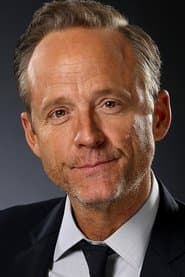
Living Proof premiered in 2008 as a Lifetime Television original film, directed by Dan Ireland, a filmmaker known for his work in character-driven dramas. The production assembled a solid cast anchored by Harry Connick Jr. in the lead role of Dr. Slamon. Connick Jr., already established as both a musician and an actor through films like JFK and television appearances, brought credibility and warmth to a role that could've easily become sanctimonious in less capable hands. Supporting performances from Angie Harmon and Amanda Bynes rounded out the ensemble, each actor contributing to the film's grounded, human-centered approach.
The film clocked in at 125 minutes, giving the narrative room to breathe and develop the relationships that matter — between Slamon and his colleagues, between the doctor and the patients who become advocates for his work. As a TV movie, Living Proof didn't command a theatrical release or massive studio backing, but that constraint actually served the story. There's an intimacy to Lifetime productions that suits material about real people facing real obstacles. The film earned a 6.5 rating on IMDb, reflecting solid audience appreciation for its earnest approach to a medical drama that doesn't rely on cheap emotional manipulation. It's the kind of film that doesn't win major awards but stays with viewers because it feels honest.
What Makes Living Proof Stand Out
What's striking about Living Proof is how it resists the temptation to turn Slamon into a lone genius defying the odds. Instead, the film shows him as a dedicated researcher who needs help — from colleagues, from patients, from people willing to believe in something unproven. That's a more interesting and ultimately more human story than the typical "brilliant outsider versus the system" narrative we're used to seeing. Connick Jr.'s performance captures the frustration and exhaustion of someone who knows he's right but can't convince the world to listen. There's a weariness in his eyes that no amount of dialogue could convey.
The film doesn't shy away from the legitimate reasons for skepticism either. Medical trials exist for a reason. You can't just give people an experimental drug because you think it might work. The tension between Slamon's conviction and the reasonable caution of the medical establishment creates genuine drama — not the manufactured kind where you know exactly who's right and who's wrong from the opening scene. I keep coming back to how the film handles the moment when actual patient outcomes start to validate Slamon's theory. It's not triumphant or scored with soaring music. It's quiet. It's the kind of moment where hope becomes something concrete, something measurable.
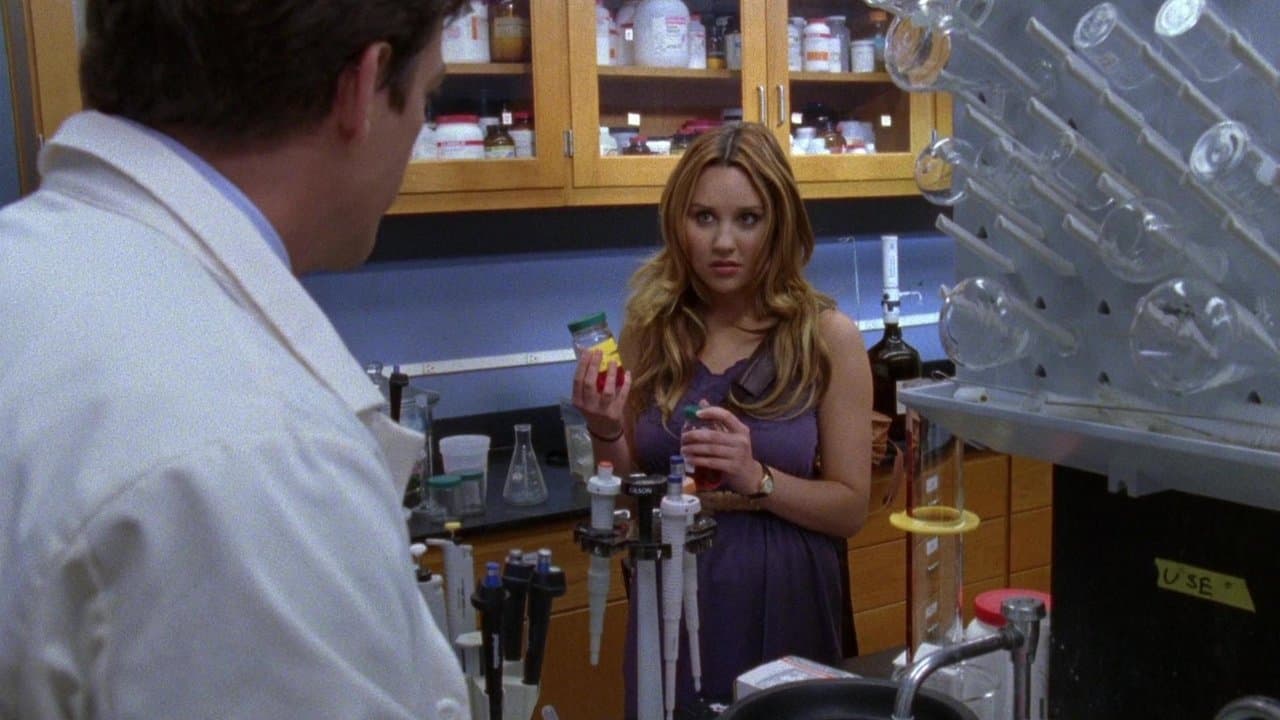
The supporting cast does excellent work here too. Angie Harmon, in particular, brings depth to what could've been a thankless role as a colleague navigating her own professional challenges while supporting Slamon's work. Amanda Bynes, in a more dramatic turn than audiences might've expected at that point in her career, reminds us that she had real range as an actress. The film benefits from these solid performances because it never feels like Connick Jr. is carrying the entire weight alone.
Where to Stream Living Proof Online
Living Proof is currently available across major OTT services, making it easy to access if you're interested in watching. You can check Movie OTT for the complete, up-to-date list of which platforms are currently streaming the film in your region — availability shifts regularly depending on licensing agreements, so it's worth verifying before you settle in to watch. The "Where to Watch" widget at the top of this page shows you exactly which services have it right now, so you won't waste time searching. Since it's a Lifetime original, it may cycle through different platforms, so if you've been meaning to watch Living Proof, now might be the time.
Frequently asked questions
Q: Is Living Proof based on a true story?
Yes. The film tells the true story of Dr. Dennis Slamon's development of Herceptin, a targeted therapy for breast cancer. While the film takes some dramatic liberties with timeline and character interactions, the core narrative about Slamon's research and his struggle to fund clinical trials is historically grounded.
Q: Who directed Living Proof?
Dan Ireland directed the film. Ireland is known for character-focused dramas and brought that sensibility to this true-story adaptation, prioritizing the human elements of Slamon's journey over spectacle.
Q: What's the runtime of Living Proof?
The film runs 125 minutes, giving the story sufficient time to develop the relationships and obstacles that define Slamon's fight to prove his treatment works.
Q: Where can I watch Living Proof?
Living Proof streams on major OTT platforms. Use the "Where to Watch" widget on this page to find current availability in your region, as streaming rights vary by location and change over time.
Q: Why is Living Proof important to watch?
Beyond being a well-crafted drama, Living Proof tells a story about persistence in medical research and the human cost of scientific breakthroughs. It's a reminder that many of the treatments we take for granted today were once considered impossible by skeptics.
Final Thoughts on Living Proof
Living Proof won't blow you away with cinematic flash or emotional manipulation. It's a straightforward, earnest drama about a doctor who believed in something and refused to give up. That's exactly why it works. In an era when we're often cynical about institutions and expertise, this film offers something different — a story about the system actually working, slowly and imperfectly, because one person refused to accept defeat. If you appreciate character-driven stories grounded in real events, Living Proof deserves your time.