The story of L'odyssée blanche: A journey into the Arctic unknown
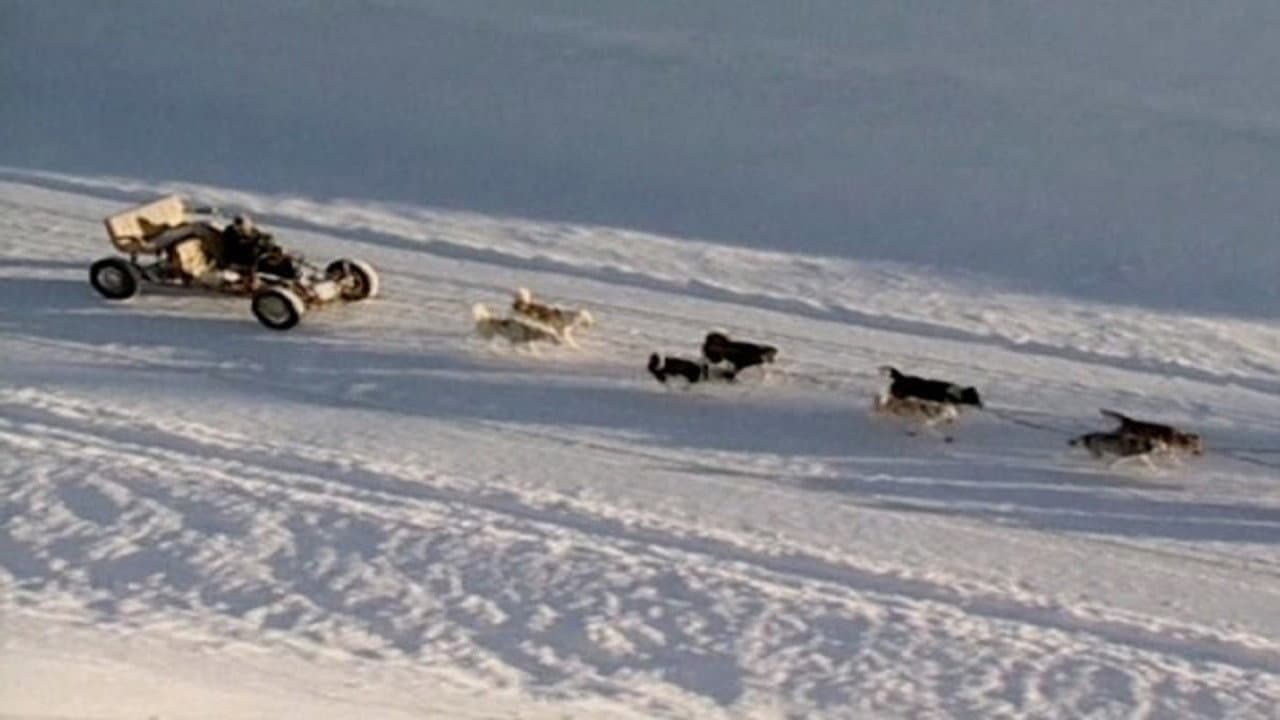
L'odyssée blanche isn't your typical nature documentary. Released in 1999, this French production follows a real expedition into one of Earth's most unforgiving environments—the Arctic. The film doesn't rely on voiceover narration or safe distance. Instead, it plants viewers directly into the experience: the grinding cold, the psychological toll, the moments when ambition collides with survival. What unfolds is part adventure chronicle, part intimate character study of people pushed to their limits. The expedition becomes a mirror for something deeper—how we respond when nature doesn't care about our plans.
Behind the making of L'odyssée blanche: Production, scope, and creative vision
L'odyssée blanche emerged from an ambitious collaboration between France Télévisions (France•3), MC4, and the production company Taïga. The filmmakers didn't shoot this from a studio or piece together archival footage. They embedded themselves with the expedition team, capturing footage in real time across the frozen landscape—a logistical feat that required its own kind of courage. The production values reflect that commitment. Every frame had to be earned, often under conditions where camera equipment itself becomes a liability. The film's construction prioritizes authenticity over spectacle, though it never sacrifices visual power.
The 1999 release positioned L'odyssée blanche at an interesting moment in documentary cinema. This was before expedition footage became routine YouTube content, before streaming services bankrolled nature documentaries as a cottage industry. The French production stood out for its willingness to let silence speak, to show failure and exhaustion rather than cut to the triumphant summit shot. Movie OTT tracks how films like this—serious, uncompromising documentaries—have found new audiences through streaming platforms, and L'odyssée blanche's enduring 8.2 IMDb rating suggests it's held up remarkably well.
What makes L'odyssée blanche stand out: The human cost of exploration
Here's what's striking about L'odyssée blanche: it refuses the easy narrative. Most expedition films work toward a climax—the summit reached, the goal achieved, credits roll. This one understands that reaching a destination isn't the real story. The real story is what happens when your body starts shutting down, when your teammate's confidence cracks, when you're so tired you can barely remember why you came. The film doesn't flinch from that material. Watching it, you're not inspired in the conventional sense—you're unsettled, humbled, maybe a little angry at the arbitrariness of who survives and who doesn't.
What's equally powerful is how the documentary captures moments of unexpected grace. A shared meal. A joke that shouldn't be funny but absolutely is. The way people find meaning not in reaching the pole, but in the act of trying together. The cinematography deserves mention here—the Arctic landscape isn't treated as a pretty backdrop but as an active antagonist, vast and indifferent. The filmmakers understand that true beauty often exists at the edge of discomfort. That's not a comfortable message, which is probably why the film has aged so well. It doesn't pander. It doesn't soften its edges for modern audiences, and modern audiences have rewarded that integrity.
I keep coming back to the pacing. This isn't a quick-cut, high-energy adventure. Scenes breathe. Silence isn't edited out—it's weaponized. That restraint is what separates L'odyssée blanche from countless other expedition documentaries. It trusts the material, trusts the audience, won't insult either by over-explaining or over-scoring the emotional beats. Movie OTT's streaming partners recognize that viewers are hungry for this kind of substantive, patient filmmaking—the kind that respects intelligence.
Where to stream L'odyssée blanche online
L'odyssée blanche is currently available across major OTT services, making it far more accessible than it was at the tail end of the 1990s. Check the "Where to Watch" widget at the top of this page for current availability on your preferred streaming platform. Depending on your region and subscription, you may find it on several services simultaneously. The film's critical reputation—that 8.2 IMDb score reflects genuine appreciation—means it's been prioritized by platforms seeking quality documentary content. If you're the type who appreciates slow-burn filmmaking and aren't looking for a quick adrenaline hit, this is absolutely worth seeking out. The Arctic doesn't wait, and neither should you.
Frequently asked questions
Q: Is L'odyssée blanche based on a true story?
Yes. The film documents a real Arctic expedition. It's not a dramatization or recreation—the filmmakers were present during the actual journey, capturing genuine events and real people responding to genuine danger and hardship.
Q: Who directed L'odyssée blanche?
The film was produced by France•3, MC4, and Taïga. It represents a collaborative documentary effort rather than a single auteur project, which is reflected in its focus on the expedition team rather than on filmmaking itself.
Q: What does L'odyssée blanche mean?
The title translates to "The White Odyssey" in English—a reference both to the Arctic's blank, white landscape and to the epic journey motif. It's a poetic title for what turns out to be a decidedly unpoetic experience.
Q: Why does L'odyssée blanche have such a high IMDb rating?
The 8.2 score reflects viewers' appreciation for its unflinching honesty and technical craft. It doesn't sentimentalize exploration or manipulate emotions. People respect that. It's the kind of documentary that lingers after viewing, sparking conversations about ambition, survival, and what we're willing to endure.
Q: How long is L'odyssée blanche?
The film is structured to match the rhythm of the expedition itself—long enough to feel immersive, but not so long that pacing becomes an issue. Runtime considerations matter when you're asking viewers to sit with discomfort.
Final thoughts on L'odyssée blanche
L'odyssée blanche deserves a place in any serious documentary lover's watchlist. It's not comfortable viewing—it's not meant to be. But that refusal to compromise, that insistence on showing the Arctic as it actually is rather than as we'd like to imagine it, is what makes it essential. Twenty-five years after its 1999 release, it remains one of the finest expedition documentaries ever made. If you're tired of nature content that exists primarily to make you feel good, this one's for you.