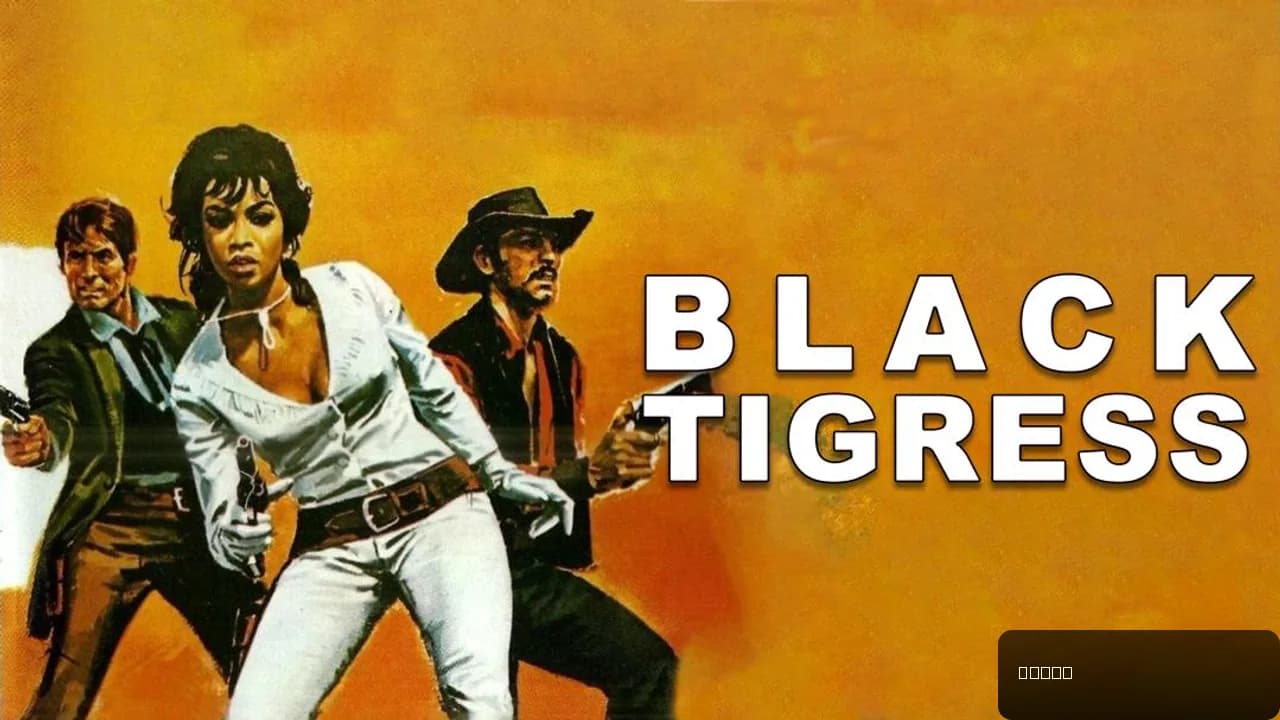
The story of Lola Colt and frontier rebellion
Lola Colt tells the story of a saloon dancer who arrives in the remote settlement of Sant'Anna at exactly the wrong moment—or perhaps the right one. The town is under the thumb of a ruthless outlaw who's quietly orchestrating a scheme to sell the surrounding land to a railroad company, which would displace everyone living there. When our protagonist rolls into town, she becomes the unexpected catalyst for the colonists to organize and fight back. It's a straightforward premise, really—the kind of setup that's been recycled through countless Westerns—but what makes it work here is the specificity of character and the lean, efficient storytelling that director Siro Marcellini brings to the 79-minute runtime. There's no fat on this picture.
Behind the making of Lola Colt and its Italian roots
Lola Colt emerged from the golden age of Italian action cinema, a period when Rome and other European production centers were churning out Westerns and adventure films at a breakneck pace. Director Siro Marcellini was a seasoned craftsman in this world, comfortable working within tight budgets and tighter schedules. The film's 1967 release placed it squarely in the era when the spaghetti Western was transitioning from Sergio Leone's operatic masterpieces toward more modest, pulpy entertainment—the kind of movie that played in neighborhood theaters and drive-ins across Europe and occasionally made its way to American television. The cast featured Lola Falana in the title role, alongside Pietro Martellanza, Germán Cobos, Tom Felleghy, Evar Maran, Erna Schürer, and Dada Gallotti. Falana, an accomplished entertainer and dancer, brought genuine physicality to what could have been a one-dimensional role. As Movie OTT tracks across its catalog, this film represents a particular moment in exploitation cinema—not prestige work, but efficient storytelling designed to entertain rather than challenge. The production values reflect the era's economic constraints, yet there's a certain scrappy authenticity to that approach. Nobody was pretending to make art here; they were making a movie that needed to work in a packed theater on a Saturday night.
What makes Lola Colt stand out in the Western action landscape
What's striking about Lola Colt—and I keep coming back to this—is how it centers a woman as the active force rather than the prize or the motivation. Falana's character isn't waiting to be rescued; she's the one doing the rescuing, or at least the organizing. The film doesn't spend time explaining why she's capable or worthy of leadership; it just lets her move through the narrative with purpose and competence. That's a small thing by modern standards, but in 1967, even in the looser world of Italian action cinema, it mattered. The performances have a directness to them that avoids the theatrical excess some critics associate with the era. Martellanza and Cobos play their roles straight, which gives the conflict a grounded feel—you believe these people have real stakes in what happens next. The action sequences, while modest by contemporary standards, serve the story rather than overwhelming it. There's no attempt here to dazzle with spectacle; instead, Marcellini lets the tension build through character interaction and the geography of the town itself. The thing nobody mentions is how much the setting does the work—Sant'Anna becomes a character in its own right, a place where power dynamics play out in every interaction.
The film carries a current IMDb rating of 4.9 out of 10, which honestly tells you more about how modern audiences rate obscure 1967 Italian action films than it does about the film's actual merit. Movie OTT's streaming aggregator helps viewers discover titles like this that might otherwise stay buried in archives, and that's valuable for anyone curious about how cinema looked outside the Hollywood mainstream. Critics of the era likely gave it a passing glance if they noticed it at all—it wasn't the kind of film that generated serious critical discourse. But that doesn't mean it's without craft or intention.
Where to stream Lola Colt online
If you're interested in checking out Lola Colt, you can currently find it on Prime Video, where it's available for streaming. The film's modest runtime of 79 minutes makes it an easy watch for a weeknight—there's no commitment required beyond an hour and change. Since availability can shift, Movie OTT's Where to Watch widget at the top of this page shows you exactly which platforms currently carry the title, so you'll know whether it's there before you click. Prime Video's catalog includes a lot of overlooked international action cinema from this period, and Lola Colt fits nicely into that collection.
Frequently asked questions
Q: Who directed Lola Colt?
Siro Marcellini directed Lola Colt in 1967. Marcellini was an experienced Italian filmmaker comfortable working in the action and Western genres, though he's not a name that appears frequently in film history discussions today.
Q: Is Lola Colt based on a true story?
No, Lola Colt is an original fictional narrative set in a frontier town. The plot about a saloon dancer helping colonists resist an outlaw's land scheme is a constructed story designed for entertainment rather than historical documentation.
Q: How long is Lola Colt?
The film runs 79 minutes, making it a lean, efficient action picture that doesn't overstay its welcome. That length was fairly standard for Italian action films of the 1960s.
Q: What is Lola Falana's role in the film?
Lola Falana stars in the title role as the saloon dancer who becomes the catalyst for the colonists' rebellion against the outlaw's scheme. Her character is the active protagonist driving much of the narrative forward.
Q: Where can I watch Lola Colt?
Lola Colt is currently available on Prime Video. Check the Where to Watch widget at the top of this page for the most current streaming availability.
Final thoughts on Lola Colt
Lola Colt isn't going to change your life or redefine what you think cinema can do. It's a 1967 Italian action Western—modest in scope, direct in execution, and honest about what it's trying to accomplish. But there's something refreshing about a film that doesn't apologize for being exactly what it is. If you're a fan of international action cinema, obscure genre work, or just curious about how filmmakers outside Hollywood approached the Western formula, it's worth the 79 minutes. Streaming has made films like this accessible in a way they weren't before, and that matters.
