



The Story of Lolita: Desire and Deception in Postwar America
Stanley Kubrick's Lolita opens with a middle-aged British literature professor, Humbert Humbert, arriving in small-town New Hampshire to rent a room. What begins as a quiet summer rental becomes the catalyst for a psychological descent that'll grip viewers for its full 154 minutes. Humbert's intellectual disdain for American vulgarity—its strip malls, its consumer culture, its garish optimism—masks something far darker: an obsession with Lolita, the teenage daughter of his landlady, Charlotte Haze. The film doesn't sensationalize this attraction; instead, it examines it with the precision of a scalpel, asking what happens when a man's internal monologue becomes indistinguishable from rationalization. We're watching someone convince himself, in real time, that his desires are something other than what they are.
Behind the Making of Lolita: Production, Cast, and the Dare to Adapt
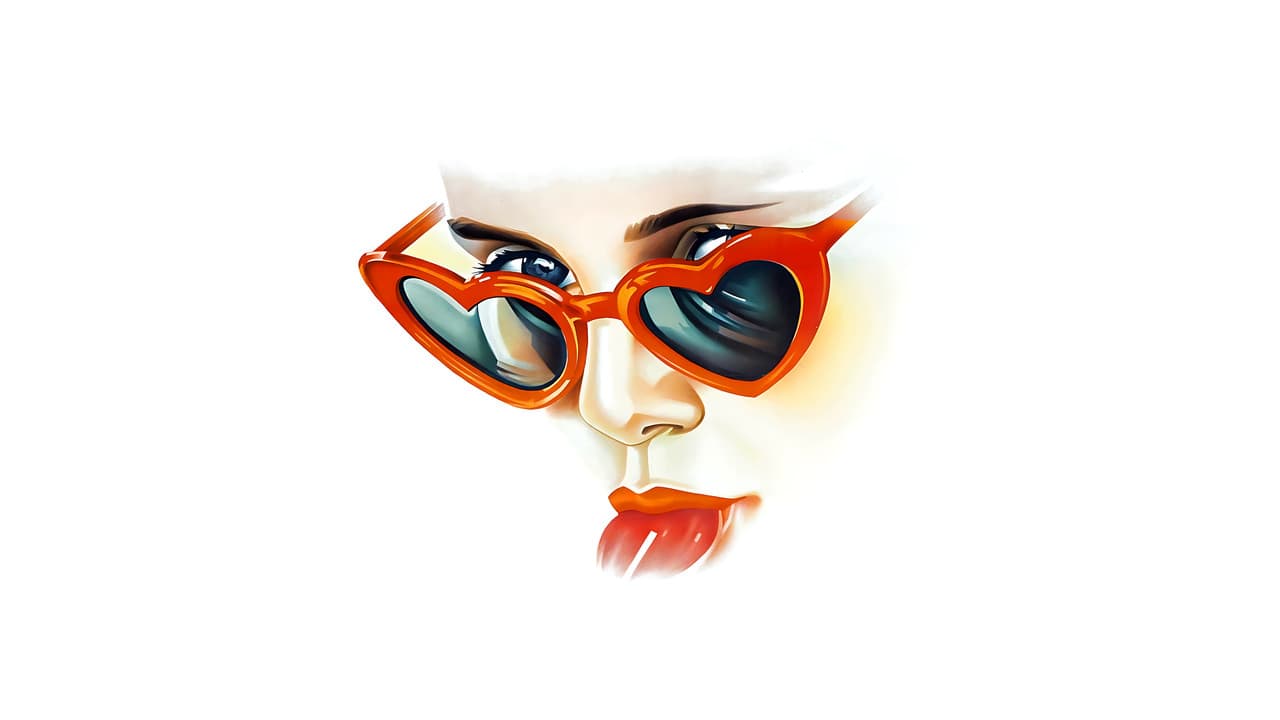
Turning Vladimir Nabokov's 1955 novel into a film seemed impossible—the literary world thought so, anyway. The tagline itself became legendary: "How did they ever make a movie of Lolita?" Yet Kubrick and producer James B. Harris assembled Seven Arts Productions, Harris Kubrick Pictures, and a consortium of smaller production companies to attempt what many believed unfilmable. The result was a black-and-white psychological drama that aired in 1962, shot with the kind of meticulous control Kubrick would become famous for. James Mason anchors the film as Humbert, bringing a veneer of sophistication and charm that makes the character's moral rot all the more unsettling. Shelley Winters earned an Academy Award nomination for her portrayal of Charlotte Haze—a woman so desperate for affection that she becomes complicit in her own daughter's tragedy (though she doesn't know the full extent of it). Peter Sellers steals scenes as the mysterious Quilty, Humbert's rival and shadow-self, while Sue Lyon, cast as the titular Lolita, was actually 14 years old during filming, which adds an uncomfortable historical layer to the production itself. The film currently holds a 7.3 rating on IMDb, a respectable score for a work this morally complex and deliberately restrained. It's the kind of film that doesn't aim to be liked so much as understood—or misunderstood, which is part of its design.
What Makes Lolita Stand Out: Restraint, Performance, and Moral Ambiguity
What's striking about Kubrick's adaptation is what it doesn't show. There's no lurid exploitation, no gratuitous imagery—just the slow, suffocating reality of a man's self-deception. Mason's performance is the engine here; he delivers Humbert's internal monologue with such articulate charm that you can feel the audience being seduced alongside him, which is exactly the trap the film sets. You start rooting for him, and then you realize what you're doing, and that discomfort is the whole point. The black-and-white cinematography becomes a kind of moral landscape—everything's bleached, formal, cold. There's no warmth in this world, only appetite masquerading as romance. What I keep coming back to is how the film treats Charlotte Haze's death midway through the narrative. It's not a plot point; it's a release valve, and Winters' earlier scenes—her desperation, her vulnerability—make that moment genuinely tragic rather than convenient. The thing nobody mentions is how funny the film can be, in a darkly uncomfortable way. Sellers' scenes have a vaudeville energy that contrasts sharply with Mason's measured predation, and that tonal whiplash mirrors Humbert's own fractured psychology.
Where to Stream Lolita Online
Lolita is available across major OTT services, and you can check the "Where to Watch" widget at the top of this page for current availability in your region. Movie OTT tracks streaming platforms in real time, so you'll know exactly which service has it right now—whether that's a subscription service, rental platform, or free ad-supported option. Since this is a 1962 film, it cycles through different platforms depending on licensing agreements, so it's worth checking before you sit down. The runtime is just under two hours and forty minutes, so block out an evening and don't expect a quick watch. This isn't a film you half-pay attention to; it demands your full focus.
Frequently Asked Questions
Q: Who directed Lolita and what other films is he known for?
Stanley Kubrick directed Lolita, and he's the same filmmaker behind 2001: A Space Odyssey, A Clockwork Orange, and The Shining. He was known for meticulous control over every frame, often shooting dozens of takes to get exactly what he wanted.
Q: Is Lolita based on a true story?
No, Lolita is based on Vladimir Nabokov's 1955 novel of the same name, which is a work of fiction. However, Nabokov drew inspiration from real crimes and psychological case studies to create the character of Humbert Humbert.
Q: How old was Sue Lyon when she played Lolita?
Sue Lyon was 14 years old during filming, which was the same age as the character she played. This historical fact adds an unsettling dimension to watching the film today, though Kubrick was careful not to exploit the actress or the character in explicit ways.
Q: Why is the film in black and white?
Kubrick chose black and white cinematography intentionally—it gives the film a stark, formal quality that mirrors the psychological coldness of Humbert's internal world. Color would've made everything feel too real, too intimate.
Q: What's the tagline "How did they ever make a movie of Lolita?" referring to?
The tagline is a genuine question about the adaptation itself. Nabokov's novel was considered unfilmable because of its subject matter, so the marketing played on the audacity of even attempting it. It's both a challenge and an invitation.
Final Thoughts on Lolita: A Film for Uncomfortable Questions
Lolita isn't comfortable viewing, and it shouldn't be. Kubrick understood that the novel's power comes from its refusal to let readers off the hook—we're trapped in Humbert's head, seduced by his eloquence, complicit in his rationalization. The film achieves the same thing through Mason's hypnotic performance and the camera's cold distance. If you're looking for a masterclass in psychological cinema, in how to adapt the supposedly unadaptable, or simply in how a great director uses black-and-white film to explore moral decay, this is essential. It's also a film that'll sit with you long after the credits roll—not because it's pleasant, but because it's true.