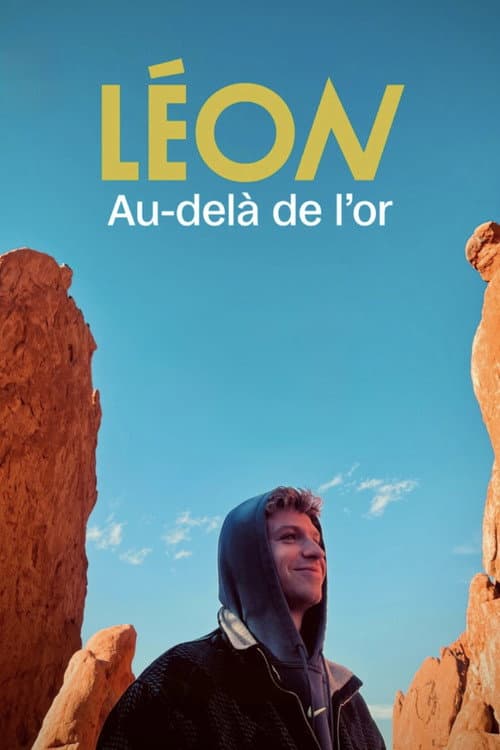
Léon : Au-delà de l'Or — What Happens When Gold Isn't the Ending
Léon : Au-delà de l'Or is a 2026 documentary that does something most sports films skip entirely: it stays after the medals. Rather than wrapping up when the anthems finish, the cameras follow French swimming prodigy Léon Marchand through a full calendar year — competitions, university lectures, family dinners, the awkward machinery of sudden global fame. At 120 minutes, it doesn't overstay its welcome. What emerges is a portrait of a 22-year-old sitting with a question most of us never face so early: when you've already achieved the thing you spent your whole life chasing, what comes next?
The Setup: Marchand After Paris
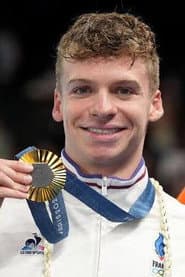
Here's the context that makes this film work. Léon Marchand walked away from the 2024 Paris Olympics with four individual gold medals — and he broke Michael Phelps's long-standing world record in the 400m individual medley while doing it. That's not a small thing. That's a generational moment. By the time cameras roll on this documentary, the triumph is already history. The film isn't building toward that climax. It's asking what life looks like after you've already won everything.
Marchand was born in 2002, which means he's still studying at university while being one of the planet's most recognized athletes. His parents—both former competitive swimmers themselves—appear throughout the film, which adds an unexpected dimension: this isn't a sudden story of individual achievement. It's a multigenerational narrative about how athletic destiny gets built inside a family. His mother and father understand the world he's living in because they've lived versions of it too.
The Filmmaking: Quiet Observation Over Drama
This is a co-production between QUAD LAB and CLOX Production, two French production companies with a track record of intimate, subject-led documentaries. Getting Marchand to agree to a full year of access—not a curated press junket, but actual daily life—says something about how much trust the filmmakers earned before they hit record.
What strikes me most about the film's approach is its restraint. No swelling orchestral scores draped over slow-motion butterfly strokes. No manufactured tension in the editing bay. The cameras simply observe—long takes, natural light, minimal intrusion. There's a scene early on where Marchand is sitting somewhere unremarkable (not a pool, not a podium), and he just looks uncertain. Not devastated. Not broken. Just uncertain about what he's supposed to do on a Tuesday when you've already done the impossible thing.
That moment separates this film from the highlight-reel factory. Movie OTT catalogues it under Documentaries, which feels almost too neat—the film carries the texture of something more personal. As of this writing, it doesn't carry an IMDb rating yet, which is honestly fine. This isn't the kind of work that needs a number to tell you whether it matters.
What Makes It Different From Other Sports Docs
Sports documentaries have a structural problem: too many are hagiographies—carefully managed tributes that could've been written by the subject's PR team. Léon : Au-delà de l'Or doesn't fall into that trap.
The tension between Marchand's public identity and his private one is where the film lives. He's simultaneously a university student and a global celebrity. Those two realities don't sit comfortably together, and the documentary doesn't pretend they do. Access to family dinners and ordinary moments—the stuff you almost never get with elite athletes—grounds the whole thing in something real. His father appears in scenes where they're just talking, not performing. That's rare. I kept coming back to those moments because they're doing something different than what you see in the typical athlete biography.
The craft here is patient. Almost European in its sensibility—if you're familiar with French documentary filmmaking, you'll recognize the tradition: observation over narration, fly-on-the-wall immersion over talking heads (though there aren't many of those either). Whether that approach satisfies viewers who want explicit analysis is a fair question. The film trusts you to draw conclusions. Hard to say if a more conventional structure would've served the subject better, but the choice feels intentional—not evasive, just... restrained.
Where to Actually Watch It
Léon : Au-delà de l'Or is currently available on major OTT platforms. Check the where-to-watch widget at the top of this page for the most up-to-date list of exactly where you can stream it right now, since availability shifts by region. Streaming platforms update constantly, and Movie OTT tracks availability across services in real time, so if a service has added or dropped the title since this article went live, the widget reflects that.
The film has made it onto significant streaming infrastructure, which means most viewers won't need to hunt. If you're in a region where access is limited, Movie OTT's regional search can point you toward rental options and alternatives as they become available.
Quick Facts
- Released: 2026
- Runtime: 120 minutes
- Language: French (subtitles available on most platforms)
- Subject: Léon Marchand, French Olympic swimmer
- Producers: QUAD LAB and CLOX Production
- Rating: Check Movie OTT for current user scores
Who Should Watch This
Watch it if you want access that no press interview has come close to offering. Fans of Léon Marchand will find themselves inside his world—university lectures, family conversations, the strange quiet after winning everything—in ways that typical sports coverage can't touch.
But the real audience is anyone who's ever wondered what it costs to be extraordinary. What happens when you're 22 and you've already achieved the thing you spent your childhood working toward. That's the question this film sits with for 120 minutes. Patient, quietly made, genuinely curious about its subject. Not perfect—but real. And right now, that's rarer than it should be.