The Story of Lone Star: Politics, Romance, and Manifest Destiny
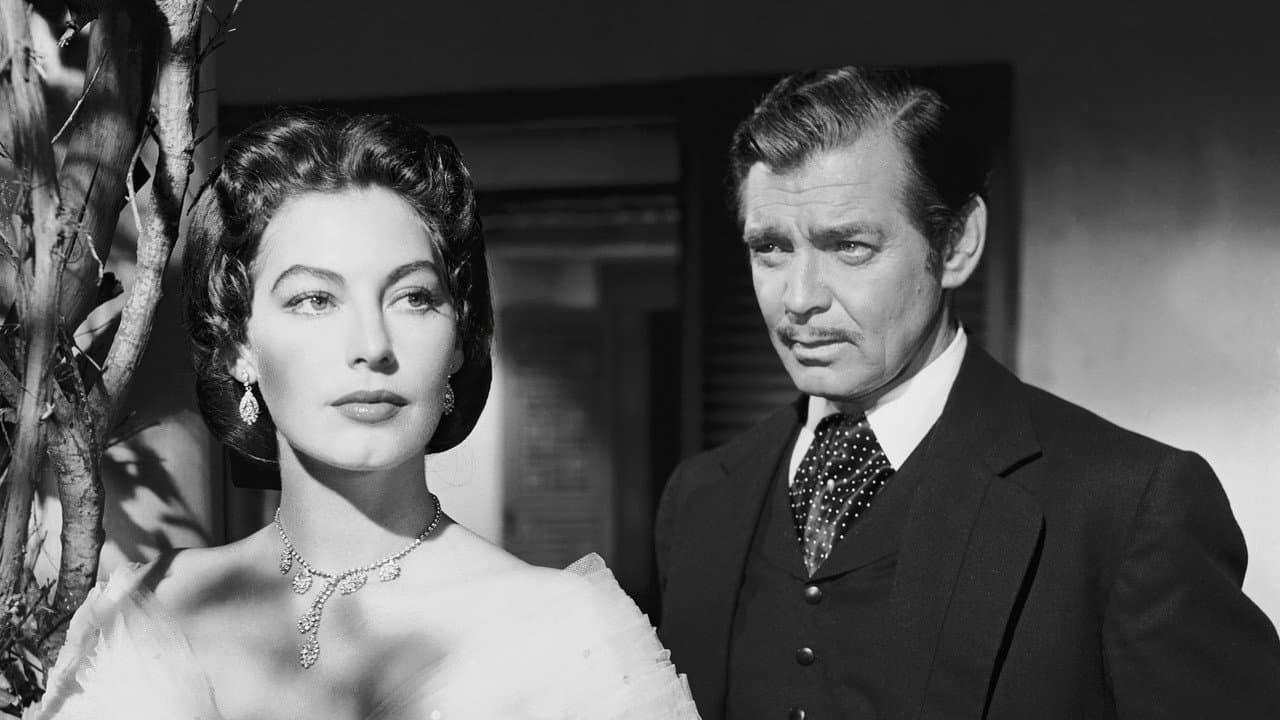
Lone Star isn't your typical shoot-em-up western. Instead, it's a film that plants its stakes in the messy intersection of romantic entanglement and national politics—specifically, the question of whether Texas should remain independent or join the United States. The premise kicks off when an aging Andrew Jackson (yes, that Andrew Jackson) enlists cattle baron Devereaux Burke to travel to Texas and persuade Sam Houston away from his dream of an independent republic. Burke's mission gets complicated fast. He's not just wrestling with geopolitical philosophy; he's also fallen for Martha Ronda, a newspaper editor whose heart belongs to state senator Thomas Craden. What unfolds is a film that tries to balance intimate human drama with sweeping historical questions, asking whether a man can serve his country while chasing personal happiness.
Behind the Making of Lone Star: MGM's Ambitious Historical Drama
Metro-Goldwyn-Mayer greenlit Lone Star as a prestige project, banking on the appeal of historical spectacle wrapped in a western package. The 1952 release came during Hollywood's golden age, when studios still had the resources and confidence to mount ambitious narratives that didn't fit neatly into genre boxes. The film runs 94 minutes—a solid runtime for the era—and was shot with the technical polish MGM was known for. The studio assembled a cast that brought professional gravitas to the material, though Lone Star hasn't aged into the pantheon of classic westerns the way some of its contemporaries have. Box office returns were modest, and the film never generated significant awards recognition, which partly explains why it's remained somewhat obscure in the decades since. That said, the production values and the earnestness of its approach—trying to make Texas history dramatically engaging—still show through when you watch it today. It's the kind of film that rewards curiosity, especially if you're interested in how Hollywood tackled American history during the Eisenhower era.
What Makes Lone Star Stand Out: The Collision of History and Heart
What's striking about Lone Star is that it refuses to choose between being a love story and a history lesson. The film's tagline—"The Battle for Texas and the Battle of the Sexes!"—isn't subtle, but it's honest about the dual nature of what's on screen. The performances anchor the material; there's a real tension in watching Burke navigate between his duty to Jackson and his attraction to Martha, and the actors commit to making that internal conflict feel genuine rather than melodramatic. One scene in particular sticks—where Burke and Craden debate the future of Texas over a dinner table, with Martha caught between them, trying to figure out what she actually believes versus what she's been told to believe. The film doesn't shy away from the contradiction that Martha is a newspaper editor (a woman with her own voice and platform) yet still expected to follow the men around her. I keep coming back to that detail because it suggests the filmmakers understood something about power dynamics that a lot of 1952 westerns didn't bother exploring. The IMDb rating of 5.7/10 probably reflects how modern audiences find the pacing uneven and the historical framework dated, but that doesn't mean the film lacks merit. It's a film that makes you want to read up on what actually happened—which, as one viewer noted, is exactly the kind of thing that draws people to genre cinema in the first place.
Where to Stream Lone Star Online
Lone Star is available on major OTT services, and if you're a western enthusiast or a history buff, it's worth hunting down. The "Where to Watch" widget at the top of this page will show you exactly which streaming platforms currently carry the film, so you can add it to your queue without hunting across multiple services. Since Lone Star isn't as widely discussed as other 1952 releases, Movie OTT tracks its availability across multiple platforms to make sure you know where to find it. Whether it's on your preferred streaming service or not, the film is worth seeking out if you want to explore a more obscure corner of Hollywood's western canon.
Frequently asked questions
Q: Who directed Lone Star?
The film was directed by Vincent Sherman, a versatile craftsman who worked across multiple genres during Hollywood's studio era. Sherman brought his experience with character-driven narratives to this historical western.
Q: Is Lone Star based on a true story?
It's loosely inspired by real historical events—specifically the debate over Texas annexation in the 1840s and the figures involved in that decision, including Andrew Jackson and Sam Houston. However, the romance plot and specific characters like Devereaux Burke are fictional creations.
Q: What's the runtime of Lone Star?
The film runs 94 minutes, a standard length for dramatic westerns of that era.
Q: Where can I watch Lone Star right now?
Check the "Where to Watch" widget on this page for current streaming availability. Movie OTT keeps that information updated across all major platforms.
Q: Is Lone Star worth watching if I'm not a western fan?
If you're interested in how Hollywood tackled American history or enjoy character-driven dramas with romantic subplots, there's plenty here to engage with beyond the western trappings.
Final Thoughts on Lone Star: A Curiosity Worth Exploring
Lone Star isn't a masterpiece, and it won't revolutionize your understanding of the western genre. But it's a genuinely interesting artifact—a film that swings for the fences by trying to make political history feel personal and intimate. The fact that it hasn't endured as a classic says more about changing tastes than about any fundamental flaw in the film itself. If you stumble across it while browsing streaming options, don't skip past it. Give it a chance. You might find yourself, like that one viewer, suddenly curious about what really happened in Texas in 1845.